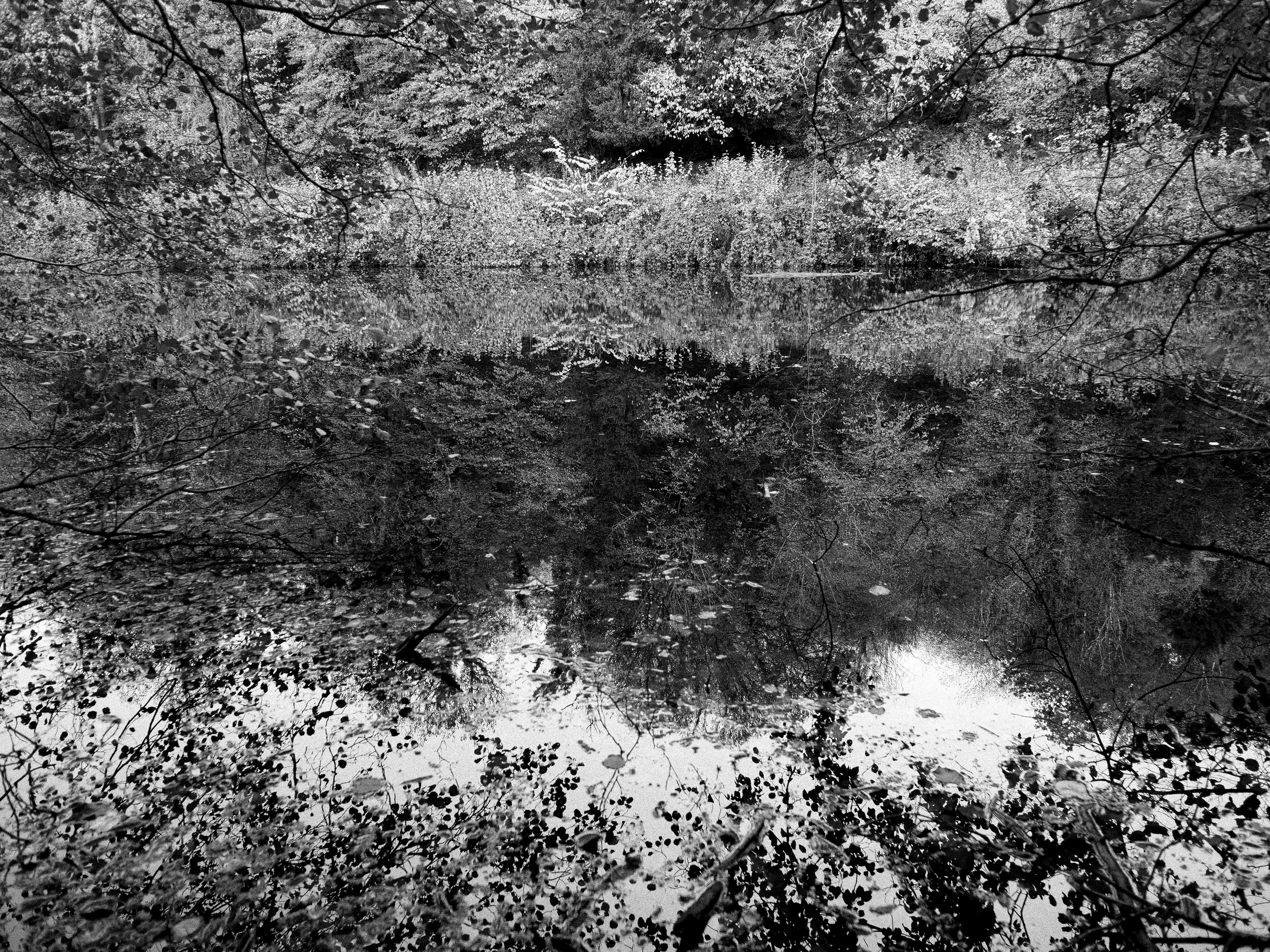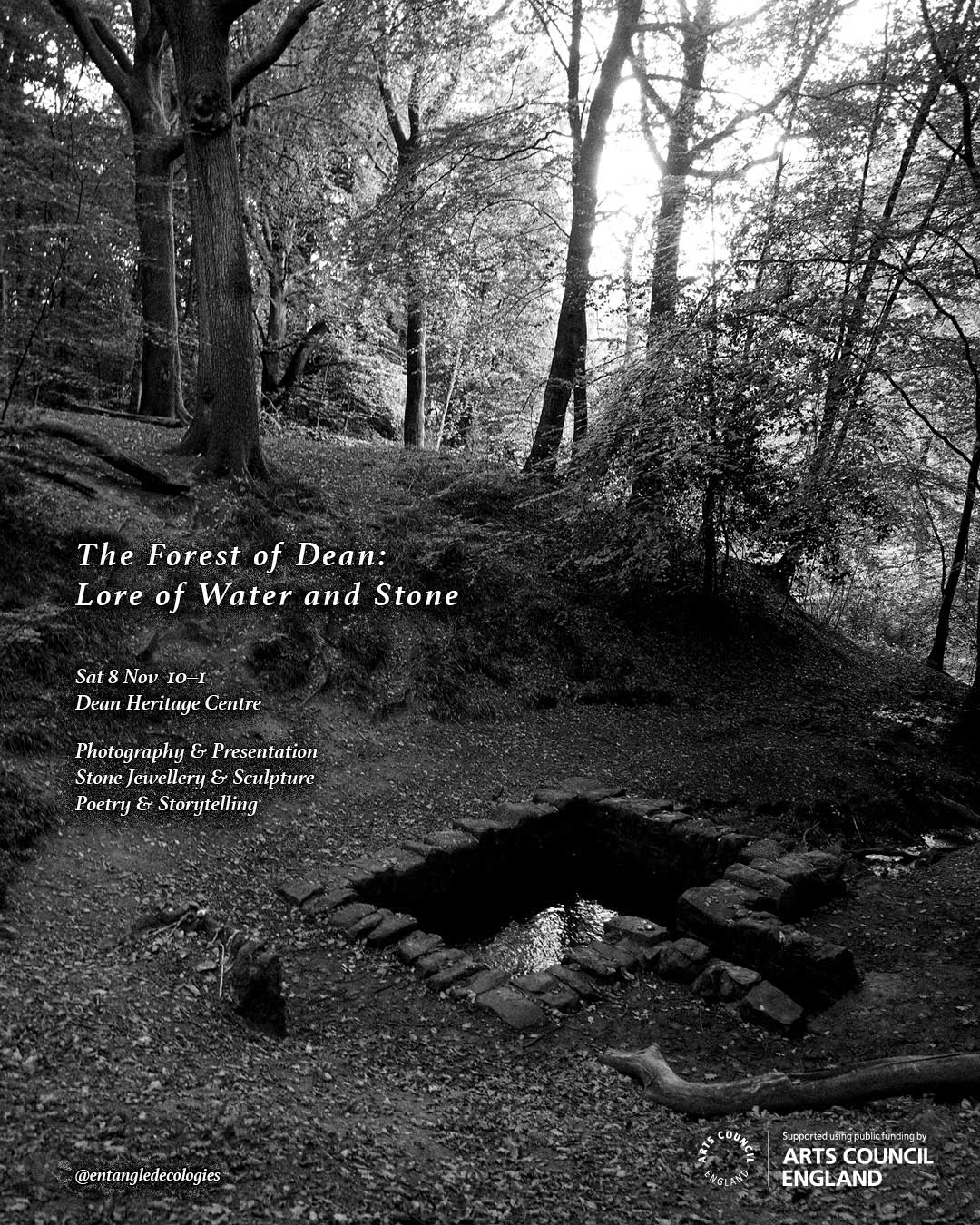
This project explores how natural elements—water and stone—have shaped folklore and cultural narratives in the Forest of Dean over time.
It includes two audio recordings (The Lore of Water and The Lore of Stone) and an illustrated book. The audio pieces weave together field recordings from sites across the Forest of Dean, interviews with community members, and original poetry and folksongs inspired by local lore. The illustrated book will feature detailed accounts of these sites, along with drawings and photographs.
The Forest of Dean: Lore of Water will be released in 2026, with the illustrated book following later that year.
This webpage serves as a journal, offering background on the project’s production process and reflections that didn’t make it into the final episodes. It also provides context for my meetings with participants.
The Stone section is complete, while the Water section remains a work in progress and will be updated once the audio piece is finished.
Made possible with support from Arts Council England.
Janice Lightly singing A Land Between Two Rivers by Dick Brice.
The Lore of Stone
Jack O' Kent vs the Devil
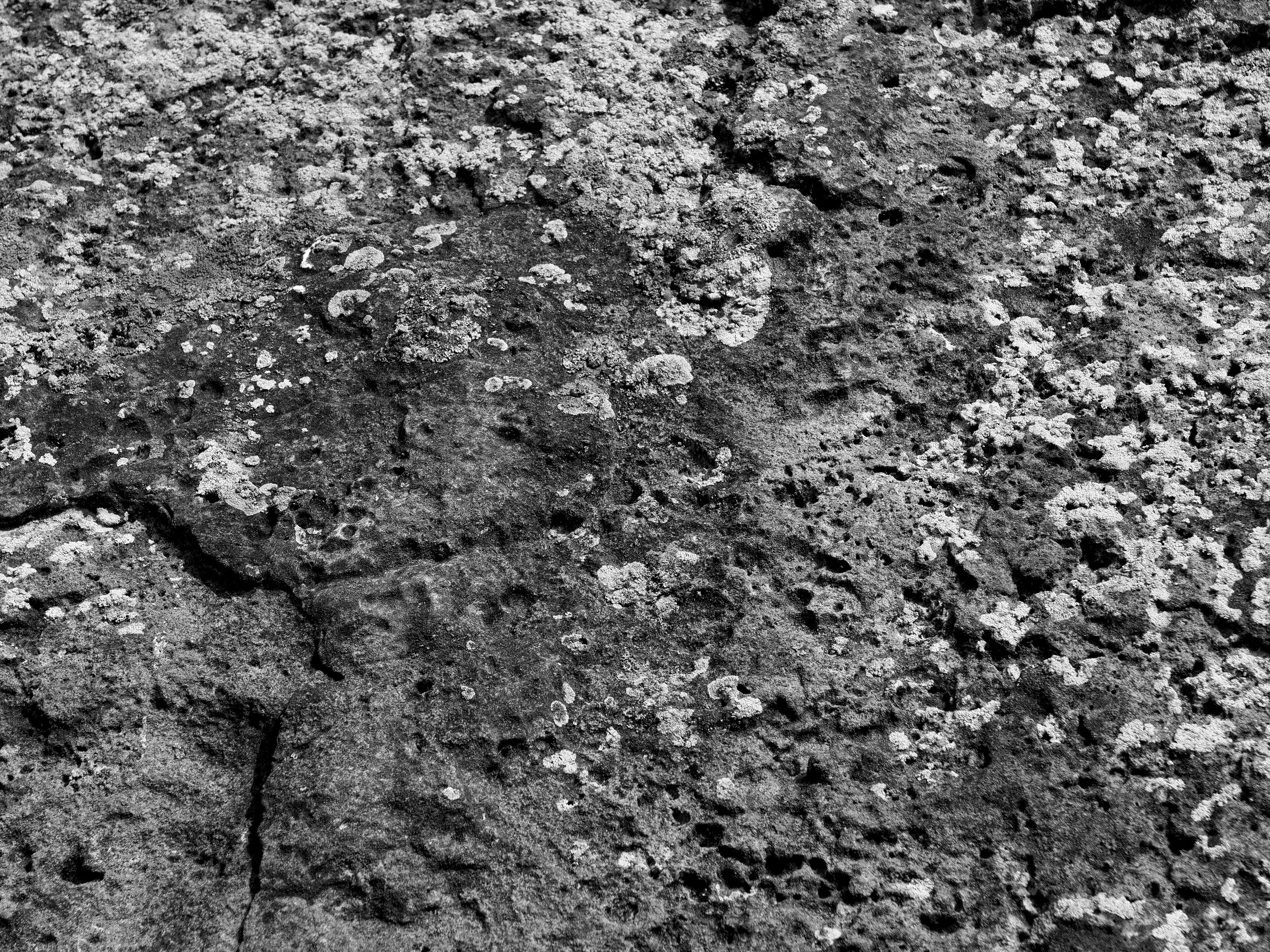
- Poor's Allotment Nature Reserve, Tidenham Chase
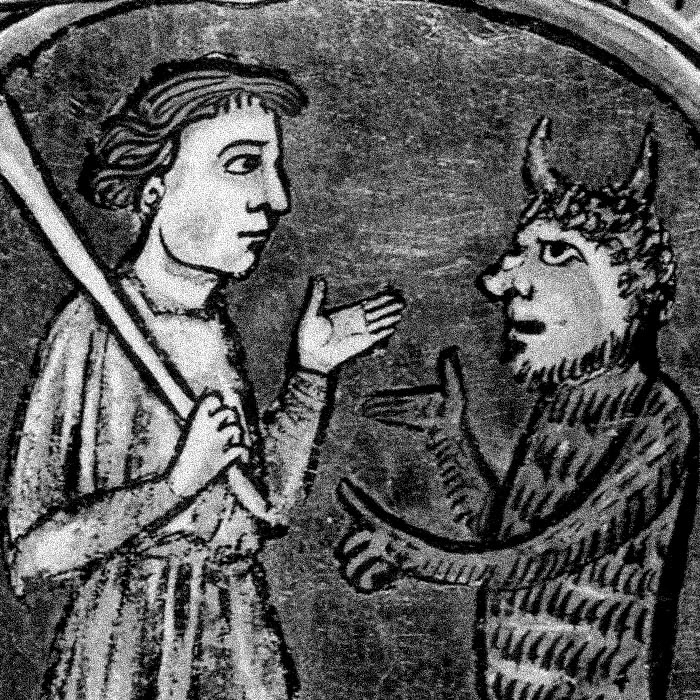
I read about a stone-throwing competition that took place between Jack O’Kent and the Devil — one of many contests between the Herefordshire trickster, whose superhuman strength was used to explain the presence of mysterious stones scattered across the landscape. What I particularly liked about these stories was how stones that were especially frustrating — for example, those lying awkwardly in the middle of a farmer’s field — were attributed to the Devil, in keeping with his pesky nature. I wanted to visit the site of one such contest to see how the landscape connected to the story.
The first site I visited was Poor’s Allotment in Tidenham Chase. On arrival, I found out that during the 1800s, Poor’s Allotment had been a parcel of common land used by the people of the Parish of Tidenham. Walking around the space, I imagined the previous liveliness of the allotment and the contexts in which this story might have been shared.
As I walked along, the view toward the Severn — on whose banks the Devil’s Stone was said to have landed — revealed itself in fleeting glances. I wondered how striking the view might be in winter, when all the trees would have lost their leaves.
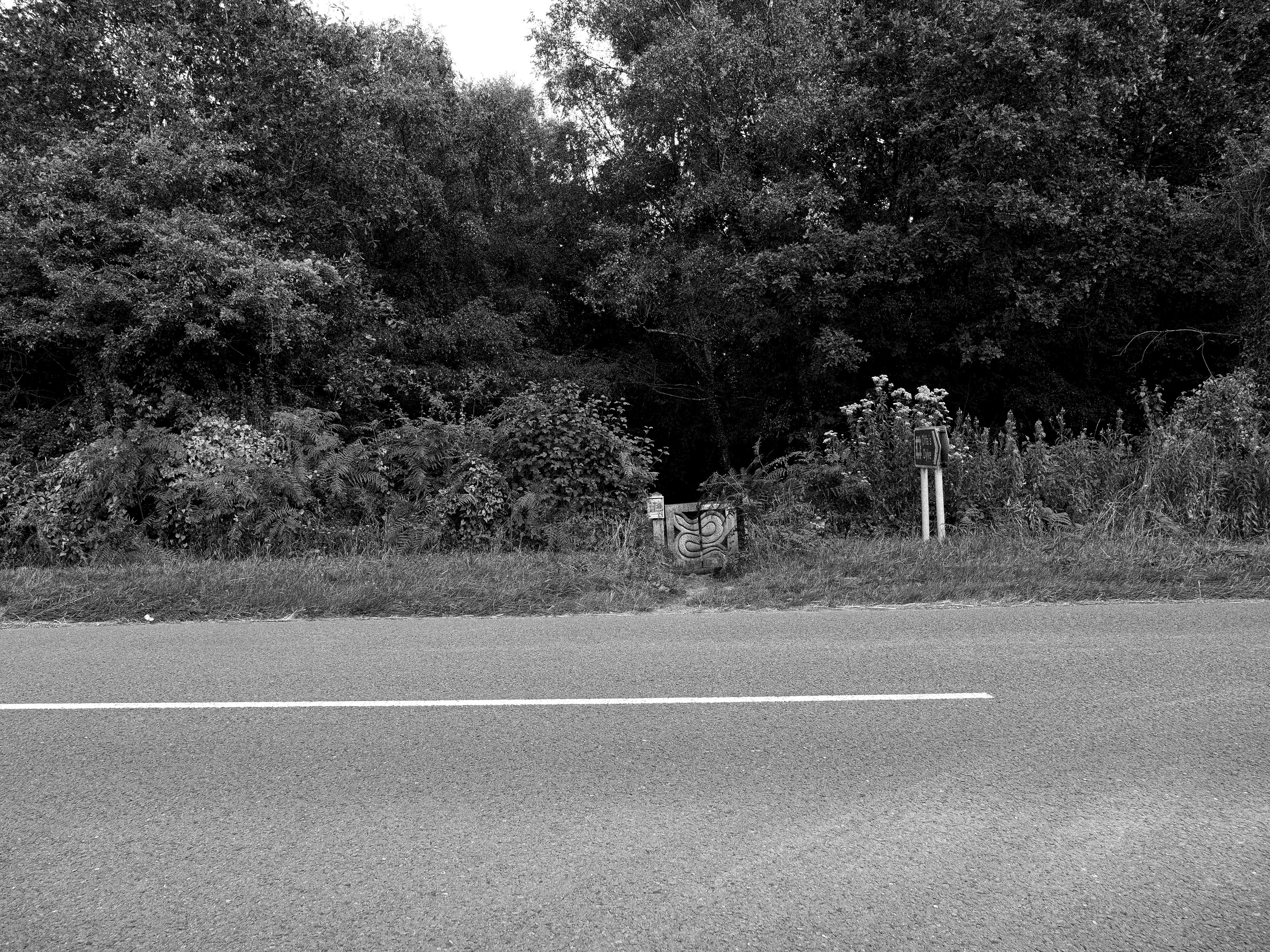
Poor's Allotment
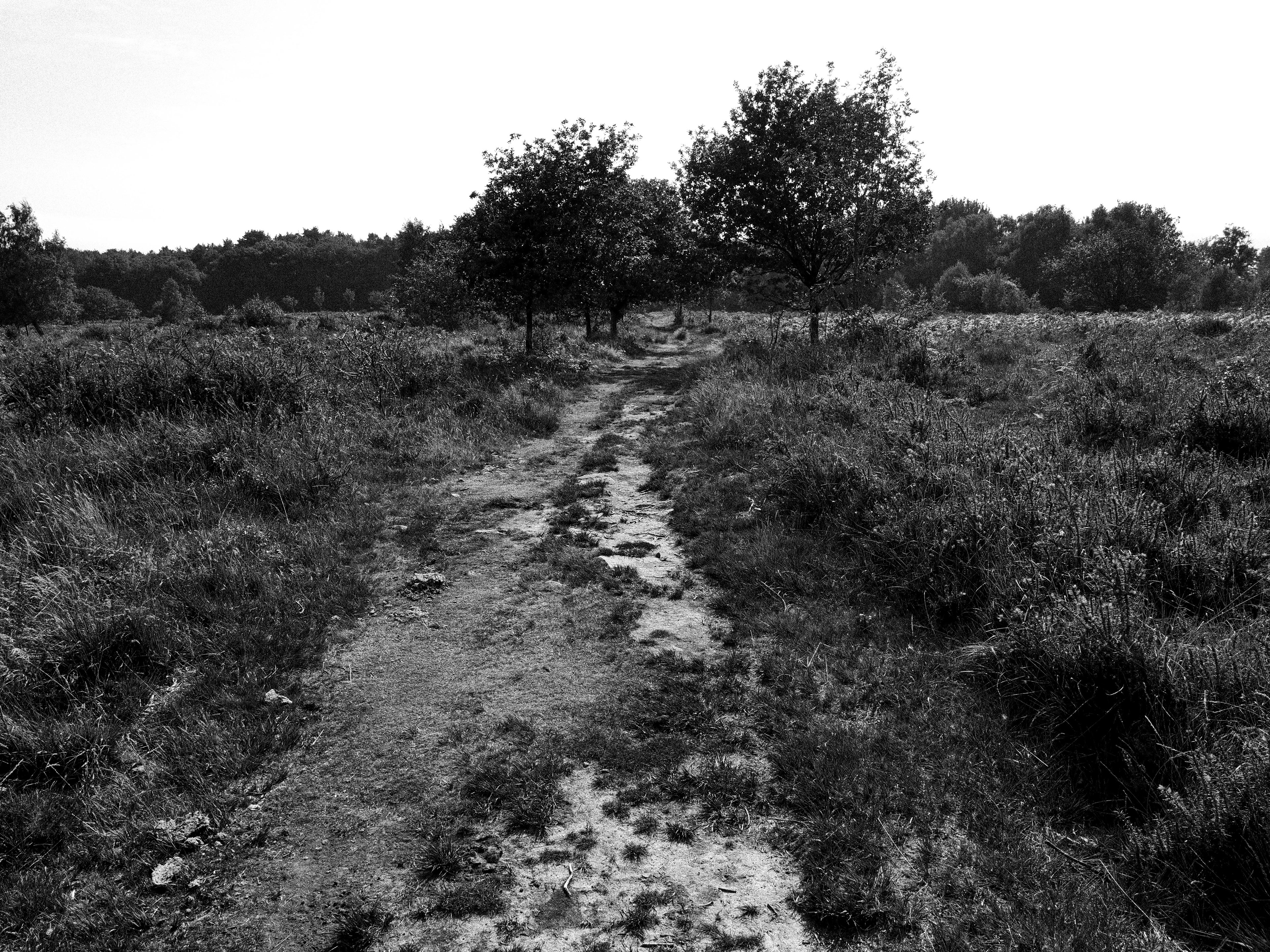
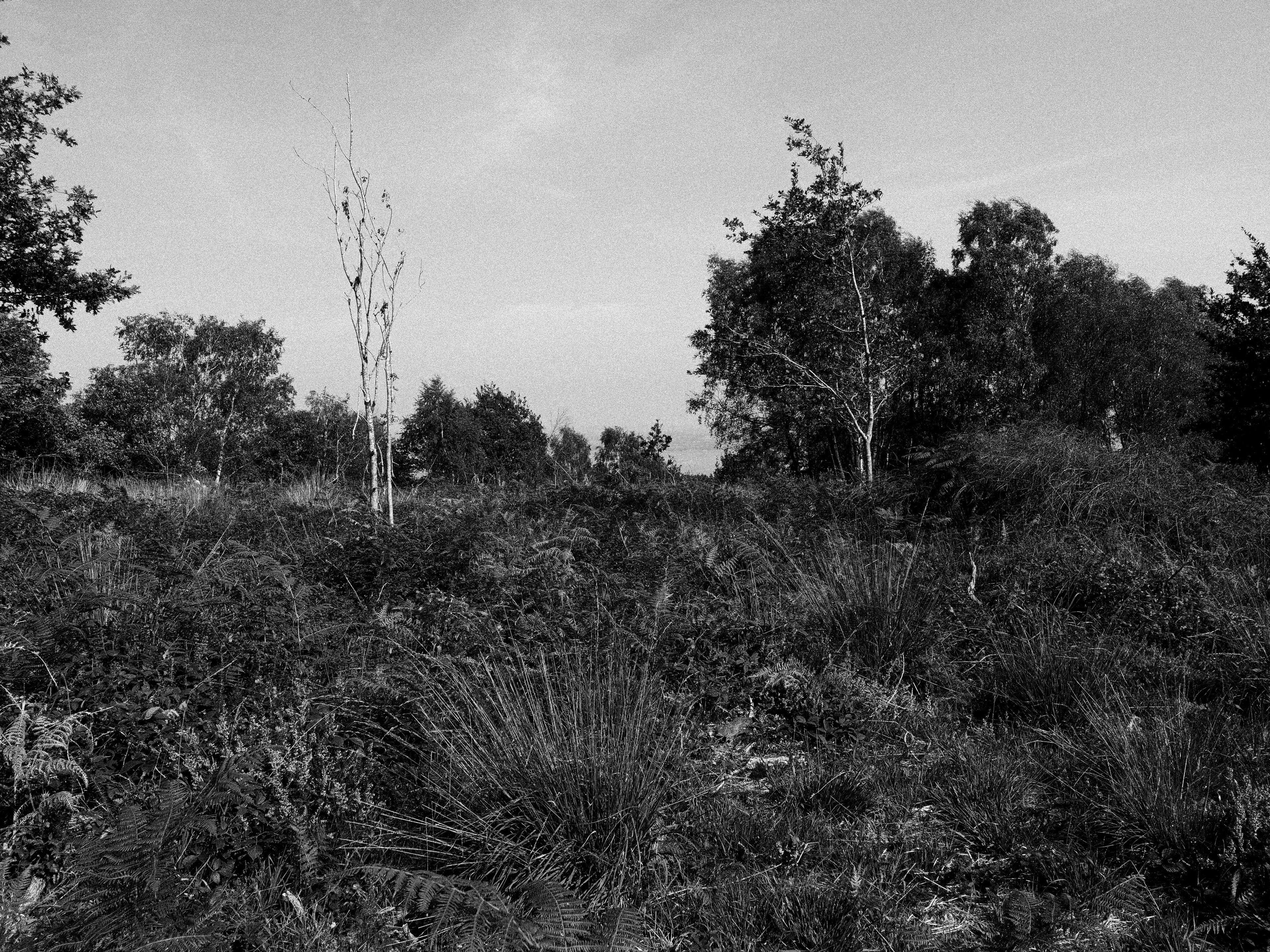
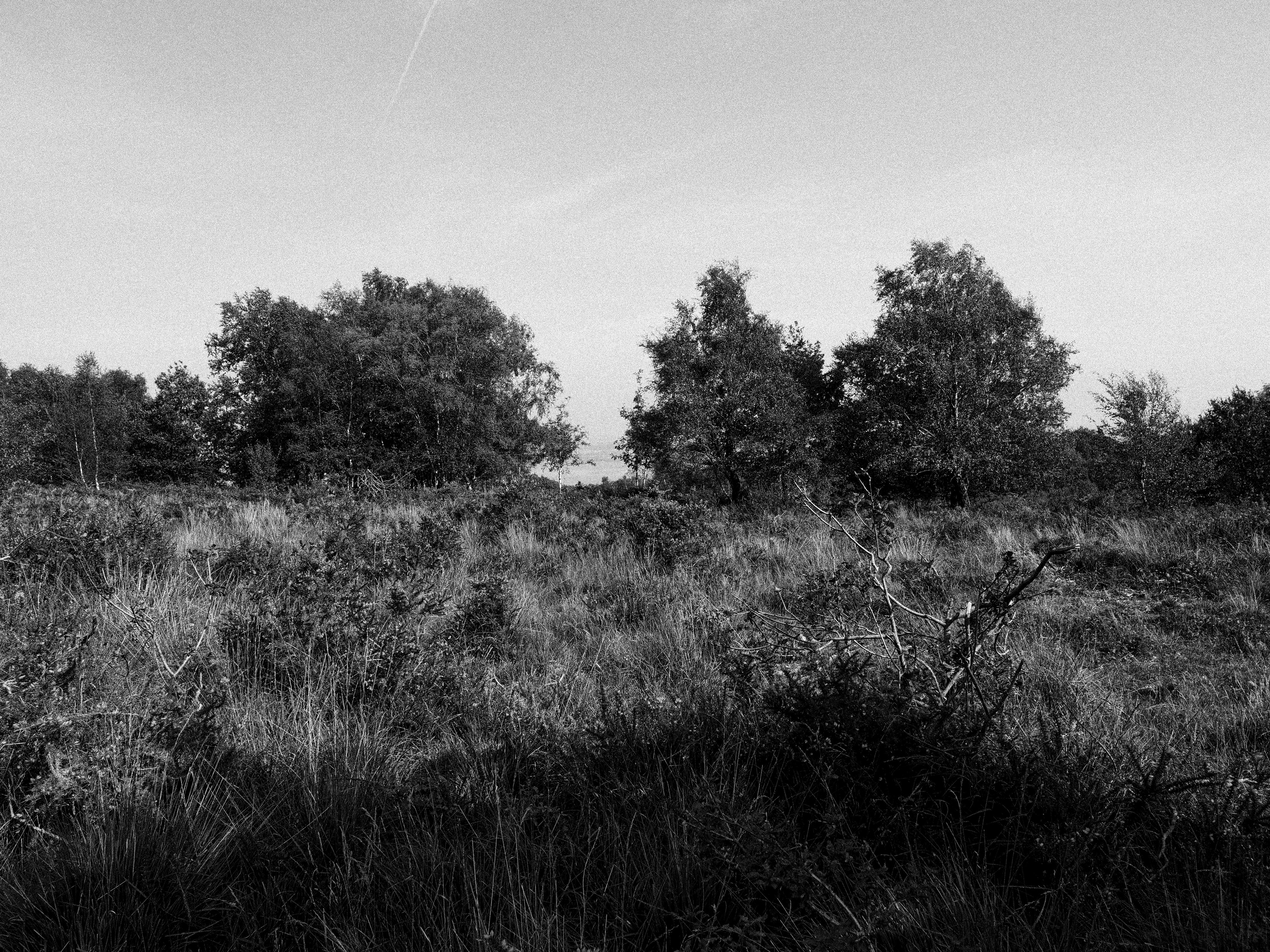
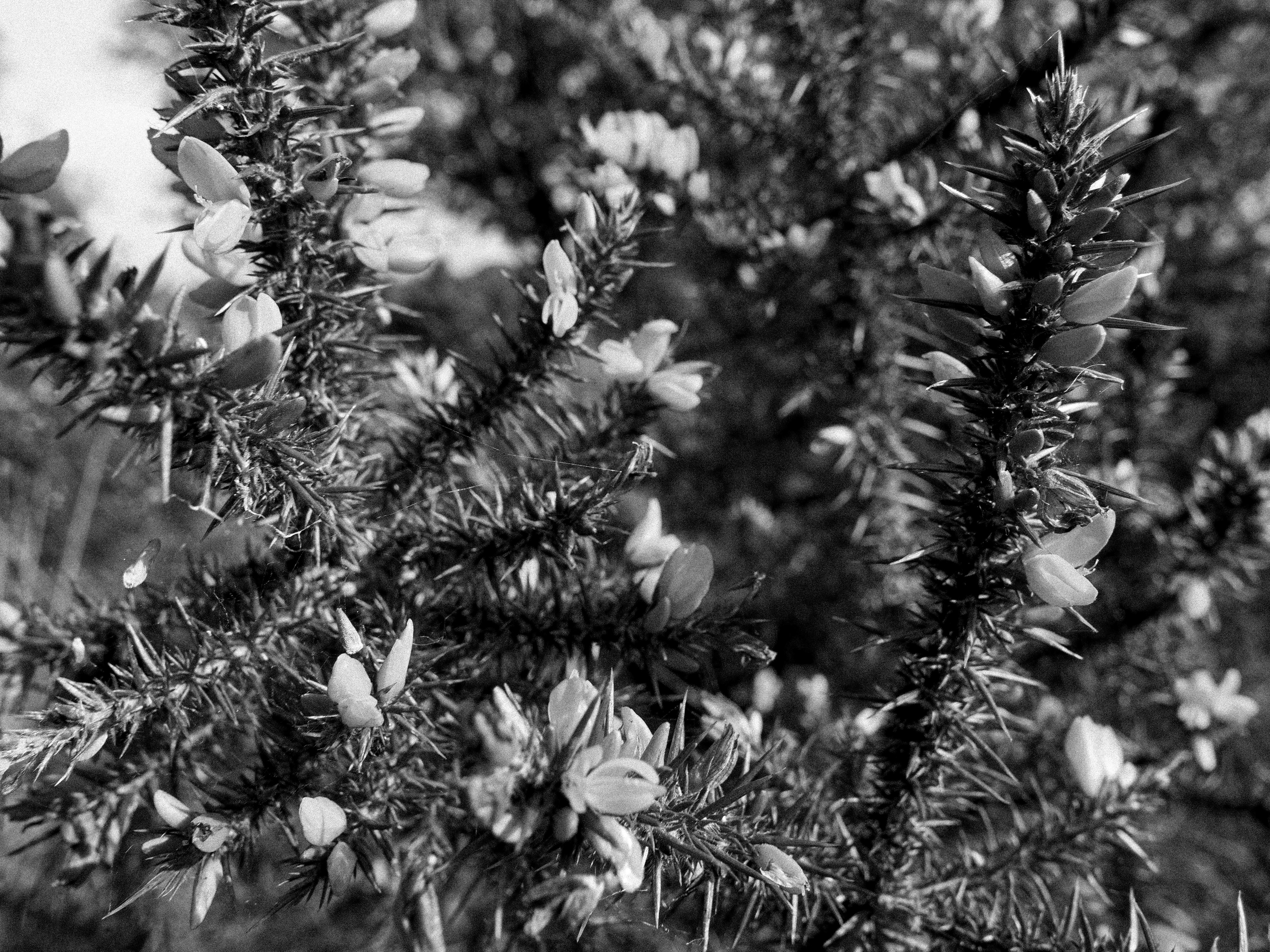
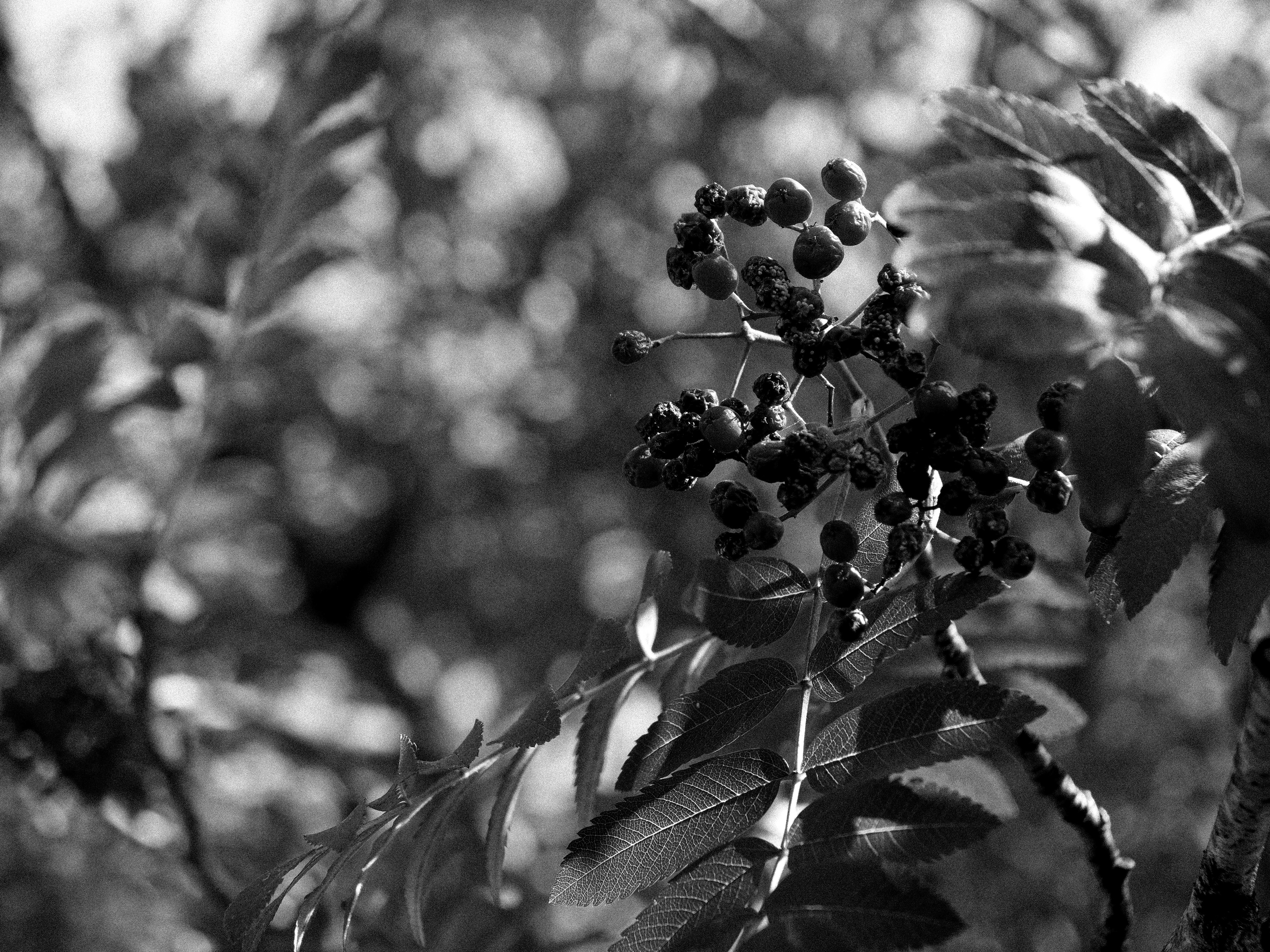
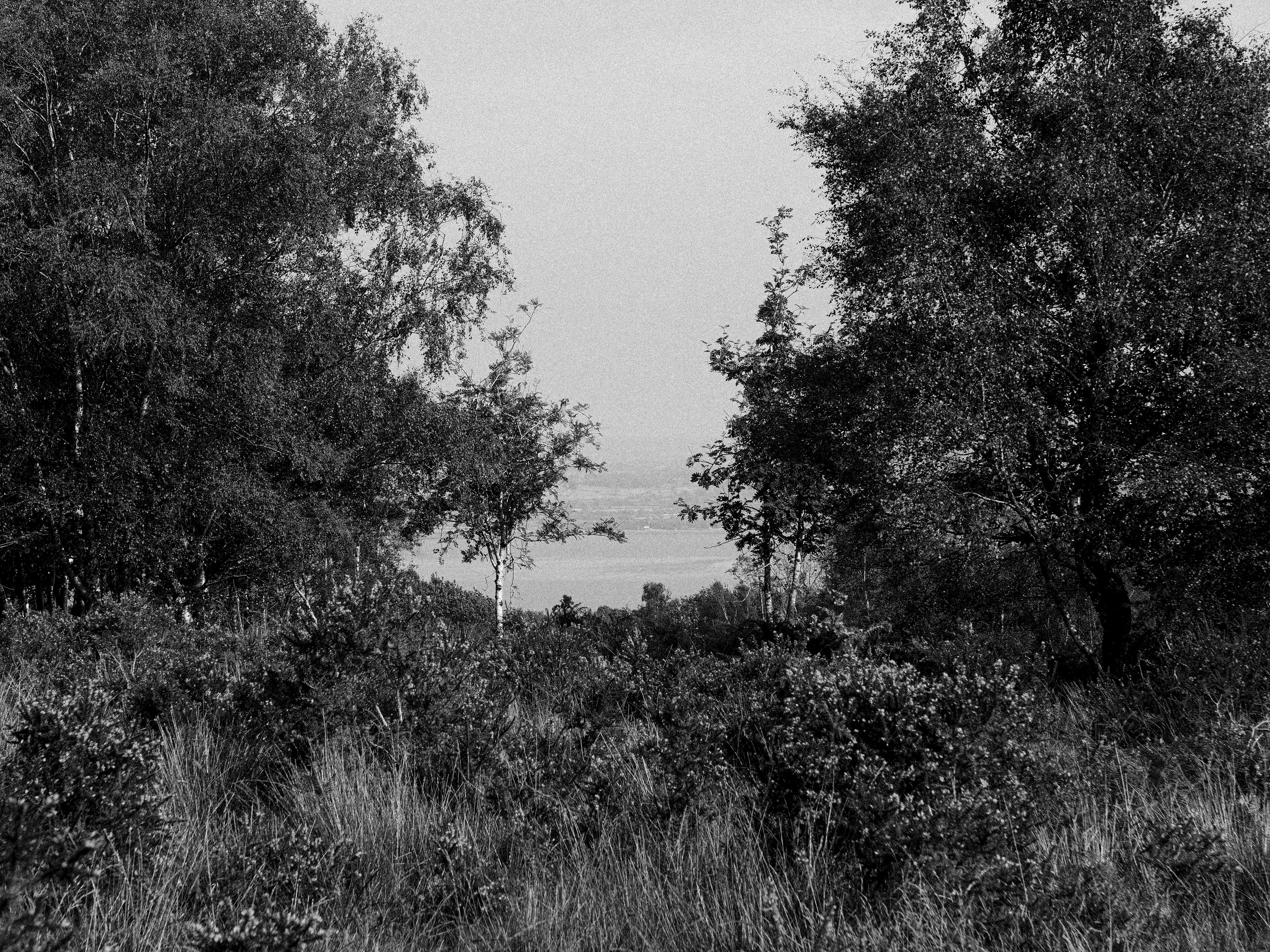
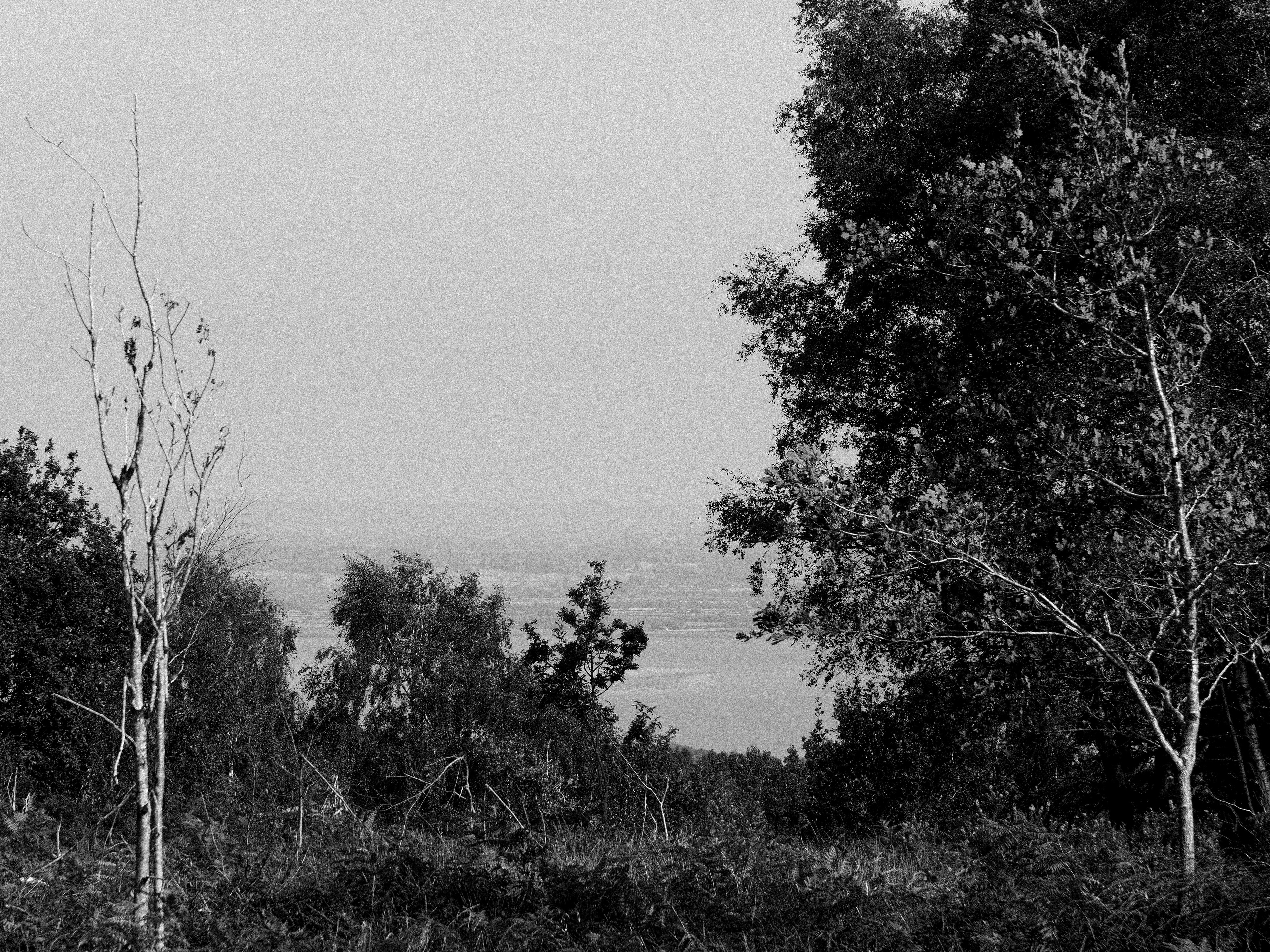
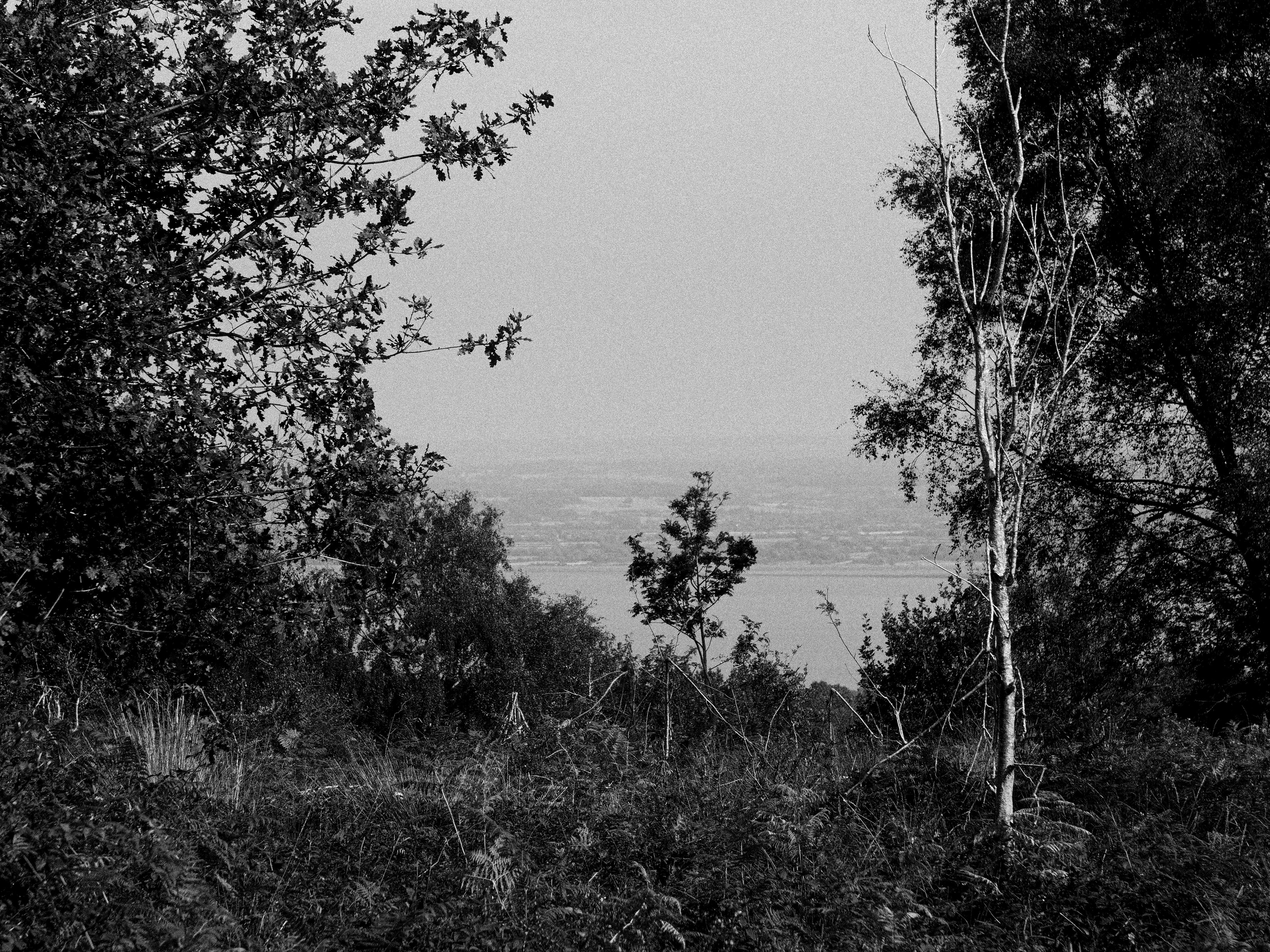
There was something about the exposed nature of the allotment — much more open than other parts of the Forest — that seemed to speak to the story. The oaks lining the path were small and stubby, likely due to the exposed setting on top of the heath, where wind and poor soil limit their growth. They made me feel unusually tall in the landscape — a great place to test one’s pride, I imagined (though I didn’t include that line in the audio episode, finding it a bit too cheesy, along with “the River Severn would only be a stone’s throw away,” which was also left out).
When recording the audio for this episode, I lay down in the rough grasses of the heath and listened to the slow return of insect sounds as they became comfortable with my presence. I had to resist the urge to move, for fear of the recorder picking it up — even as I felt the insects crawling over my body.
I drafted a script to imagine how the duel between Jack O’Kent and the Devil might have actually taken place on Poor’s Allotment. I reached out to voice actor Malk Williams, who fit the part perfectly and brought both characters to life with incredible drama and dexterity.
Then something marvellous happened — a member of the community reached out to tell me she had written a song about this story, from the perspective of three witches. I was particularly struck by a line in the chorus: “the milk goes sour and the chickens don’t lay.” It beautifully captures how, in agrarian communities, the spoiling of milk or a sudden halt in egg production were not merely material losses, but signs that something in the natural or moral order had been disturbed — everyday misfortunes revealing traces of supernatural causality.
Recording this song with Claire Smart, Pam Taylor, and Jill Edwards — members of the Rum Collective (our shared tipple of choice) — was one of the highlights of my fieldwork. I arrived nervous at a new house and was met by a group of energetic, creative people buzzing with excitement. Claire had written many songs inspired by local folklore, and it was a wonderful opportunity to hear stories I hadn’t yet encountered. As evening descended on the Forest, we shared gin, laughter, and tales — pausing only when Claire suddenly remembered another song she’d written and rushed off to find a copy.
The Broad Stone, the Devils Quoit
- Stroat, Lydney
If ever to Stroat you happen to go,
The Devil’s Quoit there you’ll surely see;
And beyond the river the good folk show
Jack’s little pebble at Thornbury
The Devil’s Quoit there you’ll surely see;
And beyond the river the good folk show
Jack’s little pebble at Thornbury
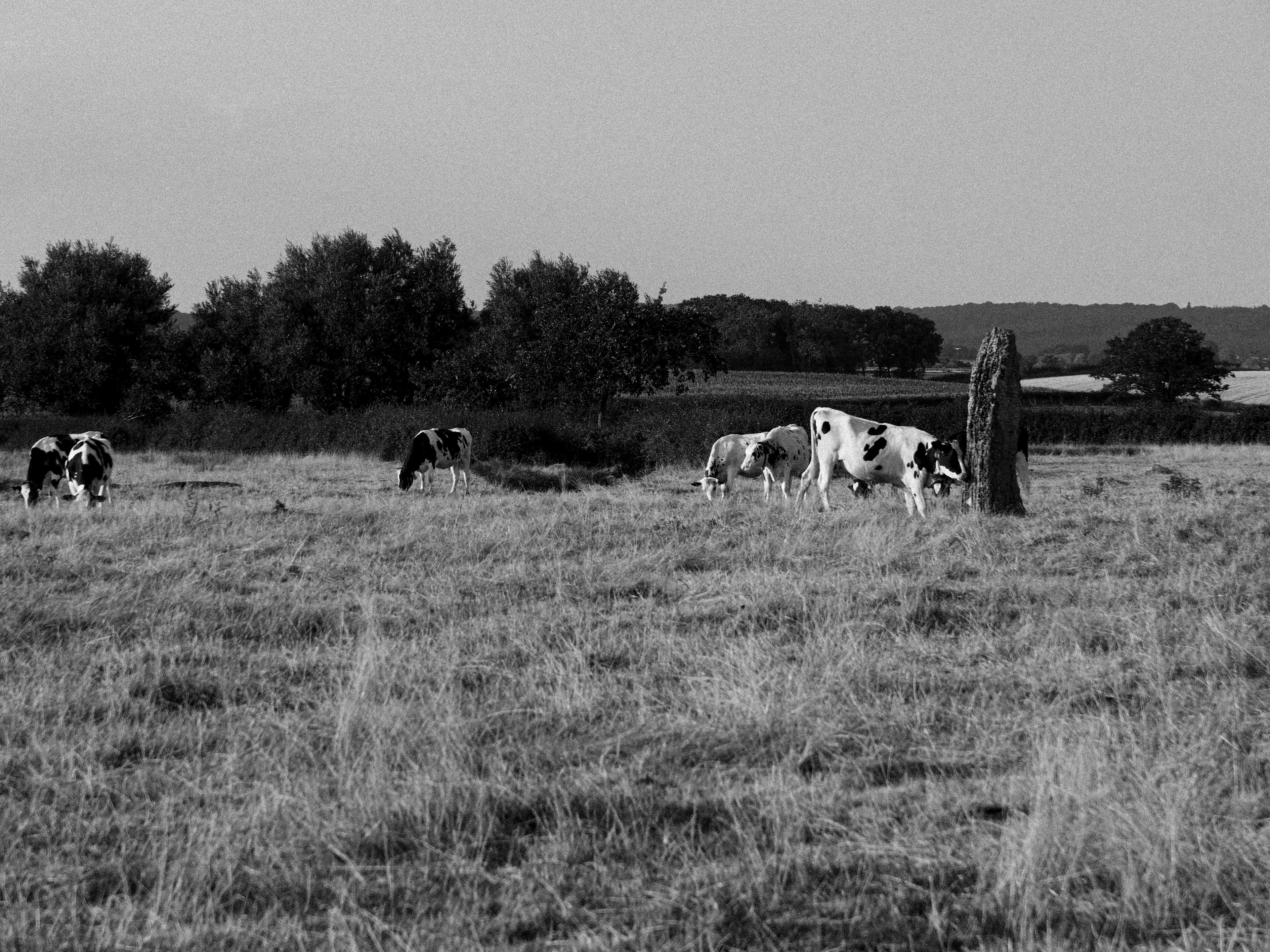
Following this old rhyme — a kind of local adage passed down through oral tradition — I wound my way down to the small village of Stroat, where the Devil’s projectile was said to have landed. Guided by a labelled dot on an old Ordnance Survey map — though I doubted such stones were officially recorded — I followed the main road, trying to find a route down with as little trespassing as possible.
Struggling in my quest, I stopped a young farmer and his dog, just returned from work. They looked mildly bemused to see me so laden — tripod over one arm, camera around my neck, and an air of uncertainty — but knowing the owner of the field, the farmer kindly pointed me towards the path. He reflected on the stone’s unremarkable nature, noting how seldom it was visited, and warned me about the cows grazing nearby — a warning I, rather confidently, shrugged off.
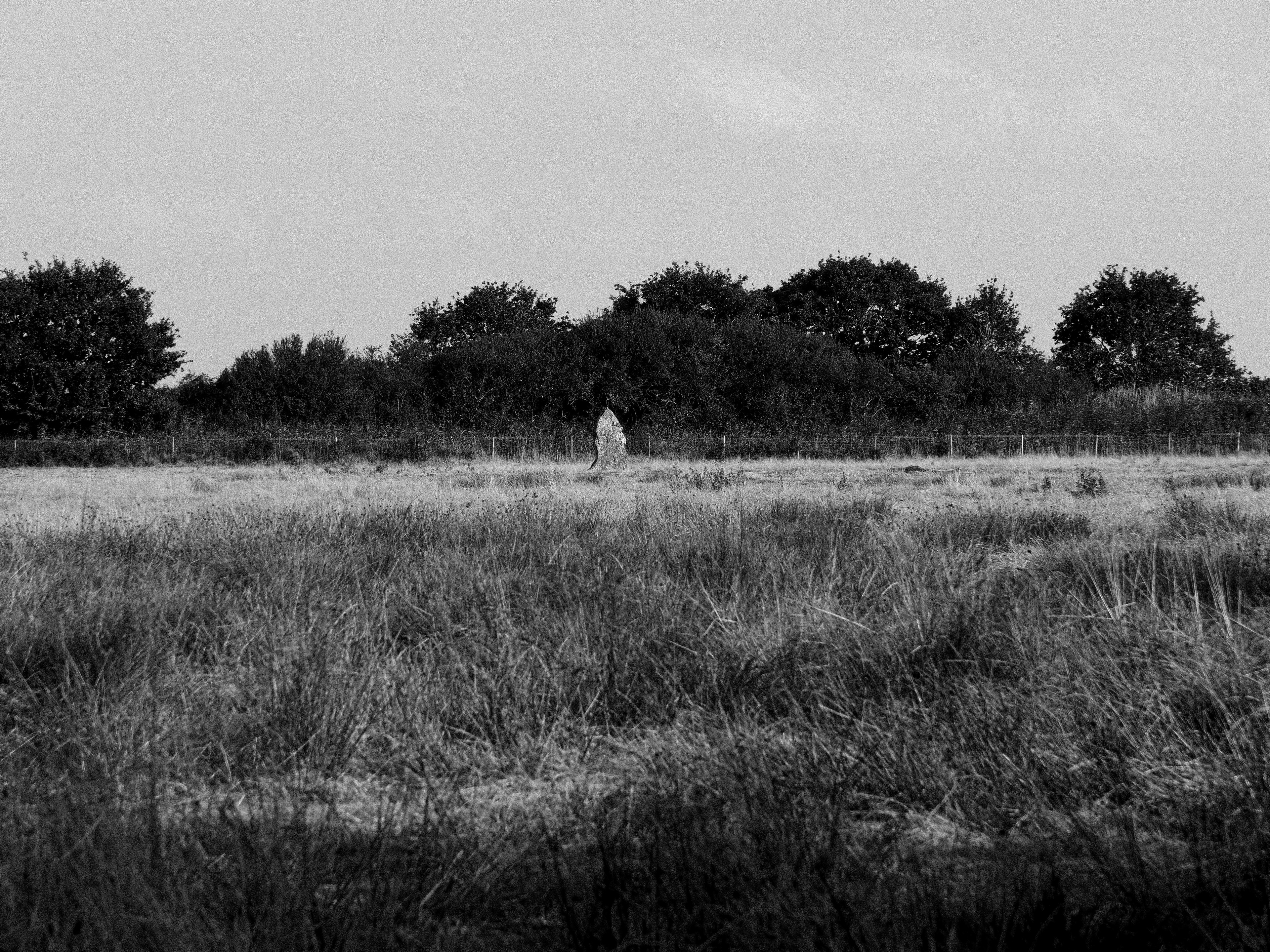
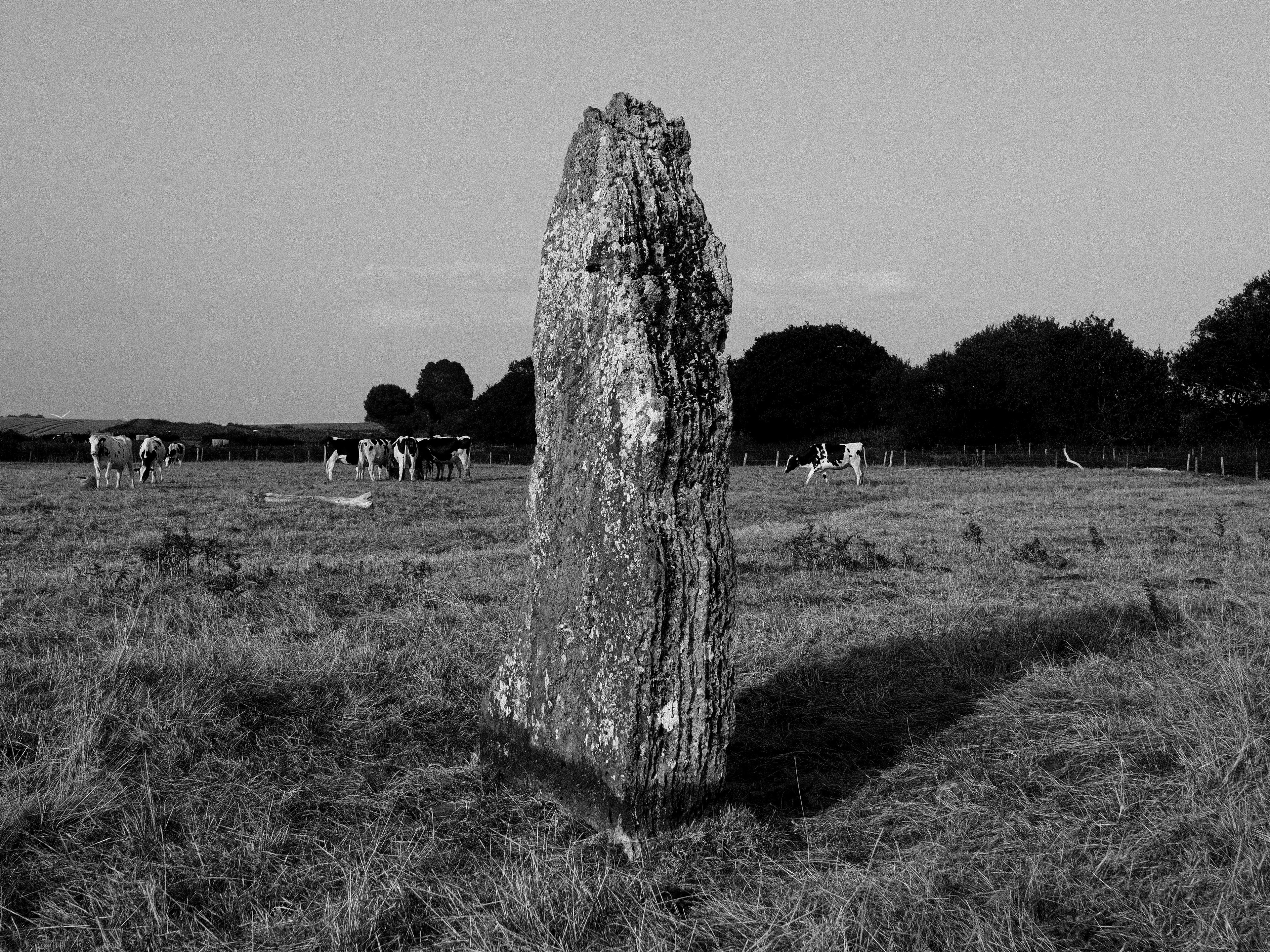
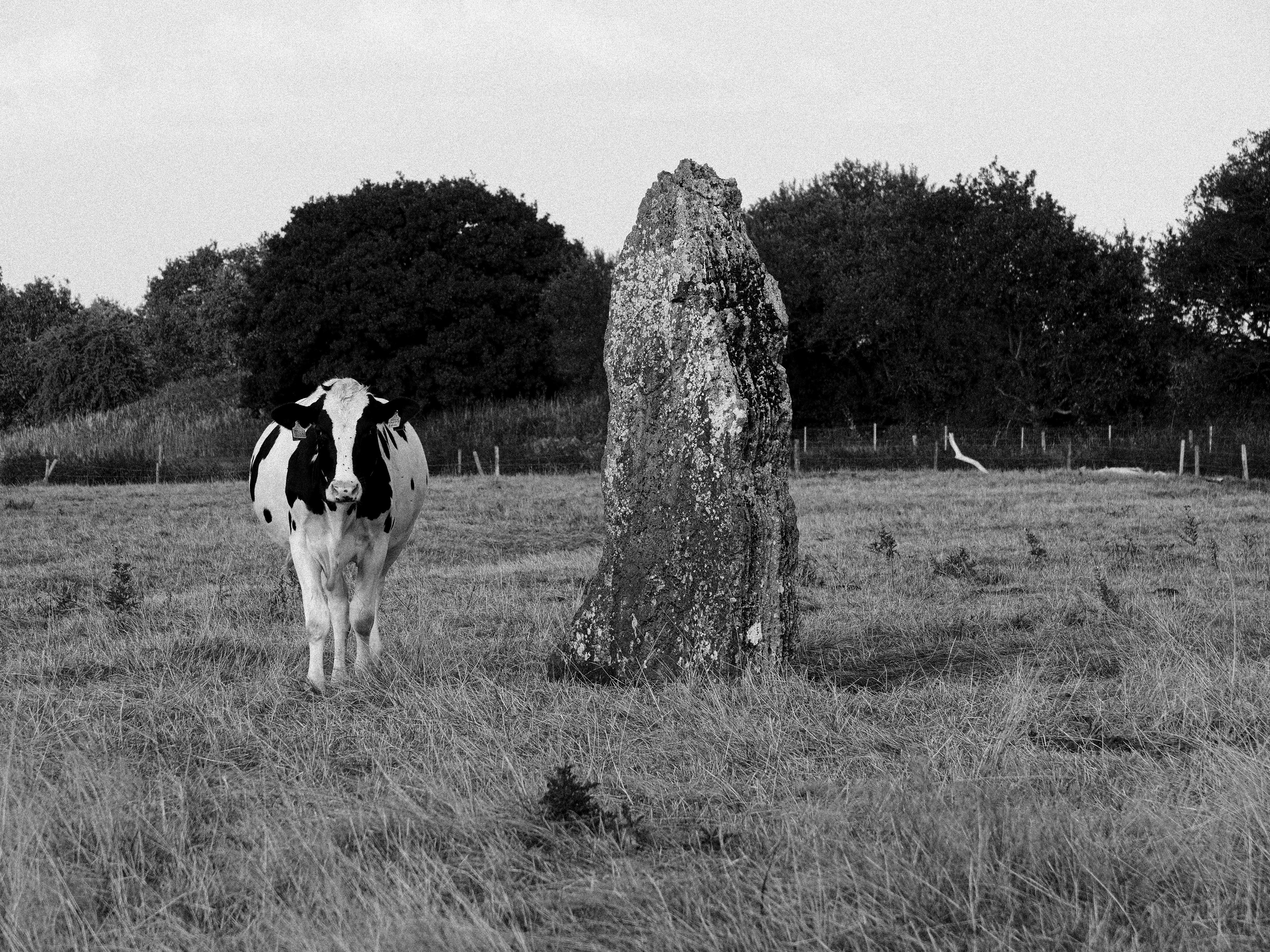
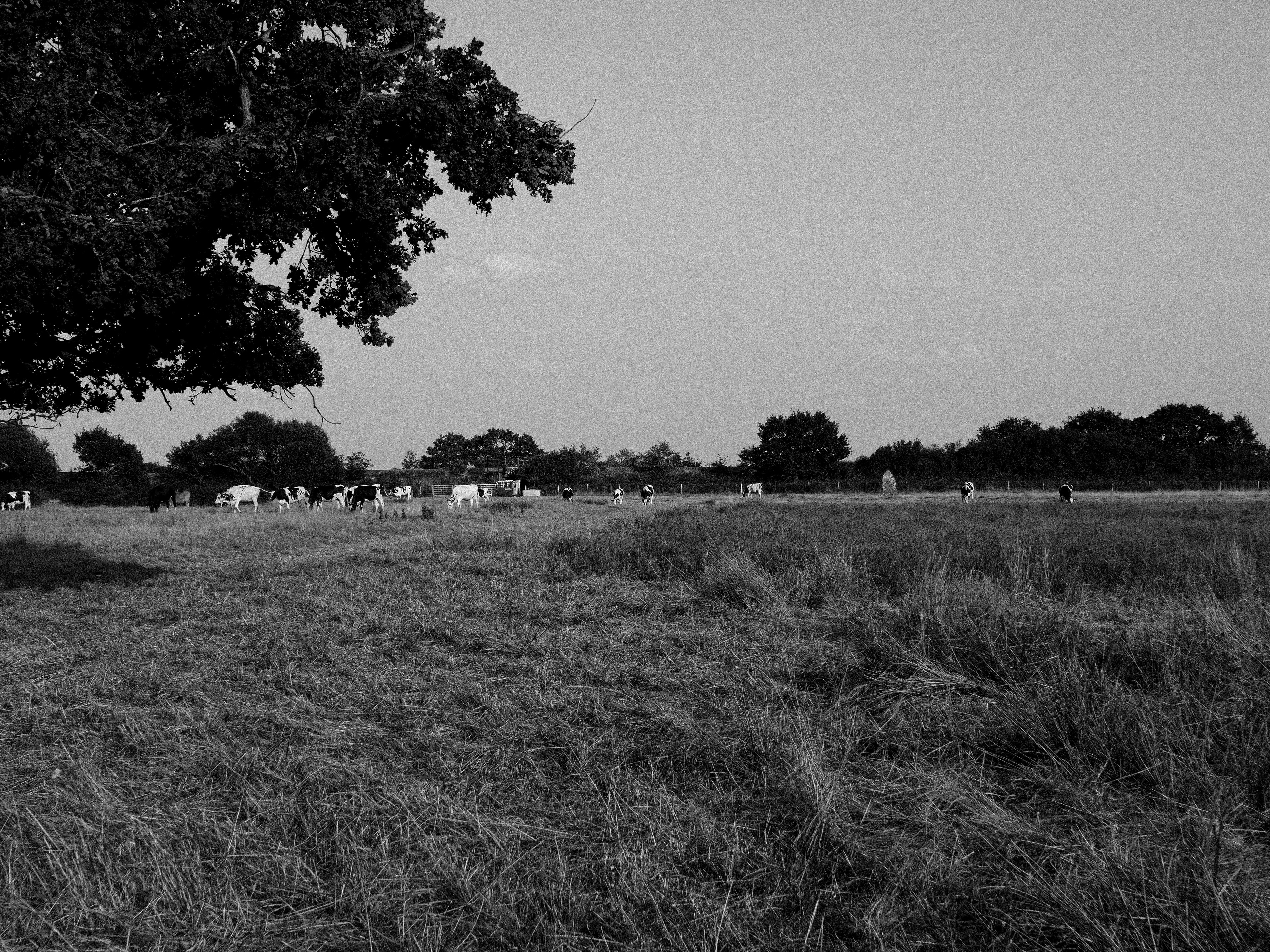
A couple of fence hops and a half-hour detour to gorge myself on blackberries later, I entered the field and saw the stone in the far corner — small, but notable.
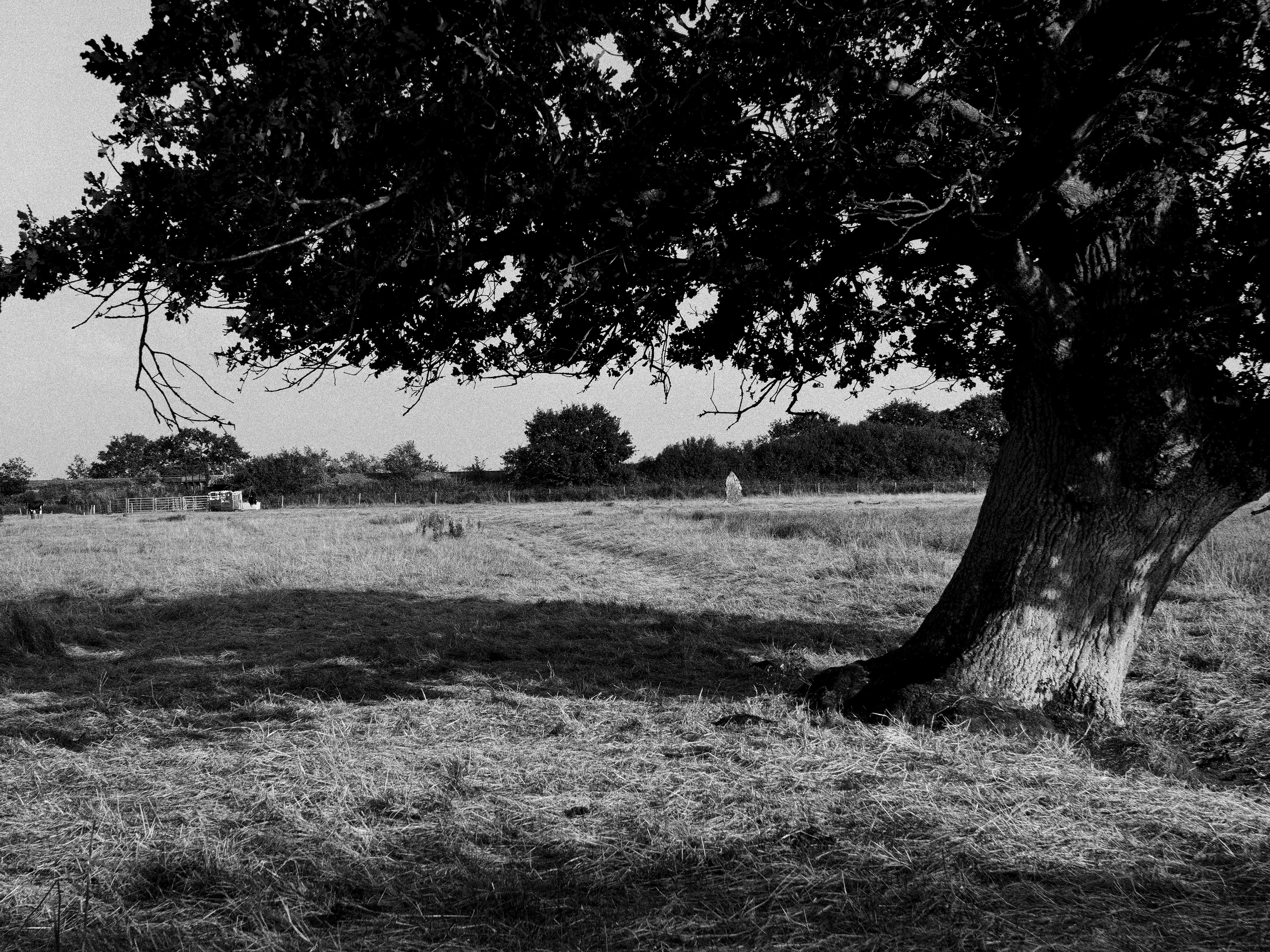
Seeing the herd, I realised I might have trouble if their curiosity got the better of them, so I made my first audio recording from the cover of an oak tree. When I finally ventured toward the stone, I was struck by the effect it had on me. There was something about its solitude and quiet grandeur — it felt very private, as if we were alone together in the field. That feeling sat oddly against the stone’s seeming intentionality, its placement too deliberate to be accidental.
Not for long, however. True to my suspicions, the herd began to drift over in their usual uncanny way — pretending to go about their business, yet every time I looked up from my camera, they’d crept a metre closer. We played a kind of slow-motion game of chicken until one cow, in a gesture of what felt like (anthropomorphic) custodianship over the stone, made it clear I should back off. I retreated, hurrying toward the safety of the electric wire — my quickened pace matched by theirs.
Not that I’m particularly afraid of cows, but after an ethnographic project in Nepal following free-roaming cattle through city streets — and being chased a couple of times when I got too confident with the camera — I’ve learnt to keep a respectful distance.
There was also something solemn about the way the stone was now separated from the River Severn, to which it had once been a beacon, by the transience of the railway line. It felt like a misunderstanding between landscape and history — as though the stone had been cut off from its purpose. You can hear more about the story and history of the stone in the audio excerpt above.
Jack’s pebble in Thornbury, on the other side of the river, remains more of a mystery. I’ve read several reports of people who went searching for it and found nothing. Its origin is so elusive that I didn’t even consider going myself. Yet, in true folkloric fashion, one day while writing up my notes in the Dean Heritage coffee shop, a man — who I later came to know as Gregory — wandered past and, noticing my intent scribbling, asked what I was working on. I explained that I was writing about Stroat, his village, and the story of the Devil’s Quoit. He smiled and told me his cousin knew of Jack’s pebble in Thornbury, and that we could go out there together to see it.
Although the trip never came to pass, the encounter stayed with me — a reminder that folklore has a way of keeping its mysteries alive, traced through chance meetings and unfinished journeys.
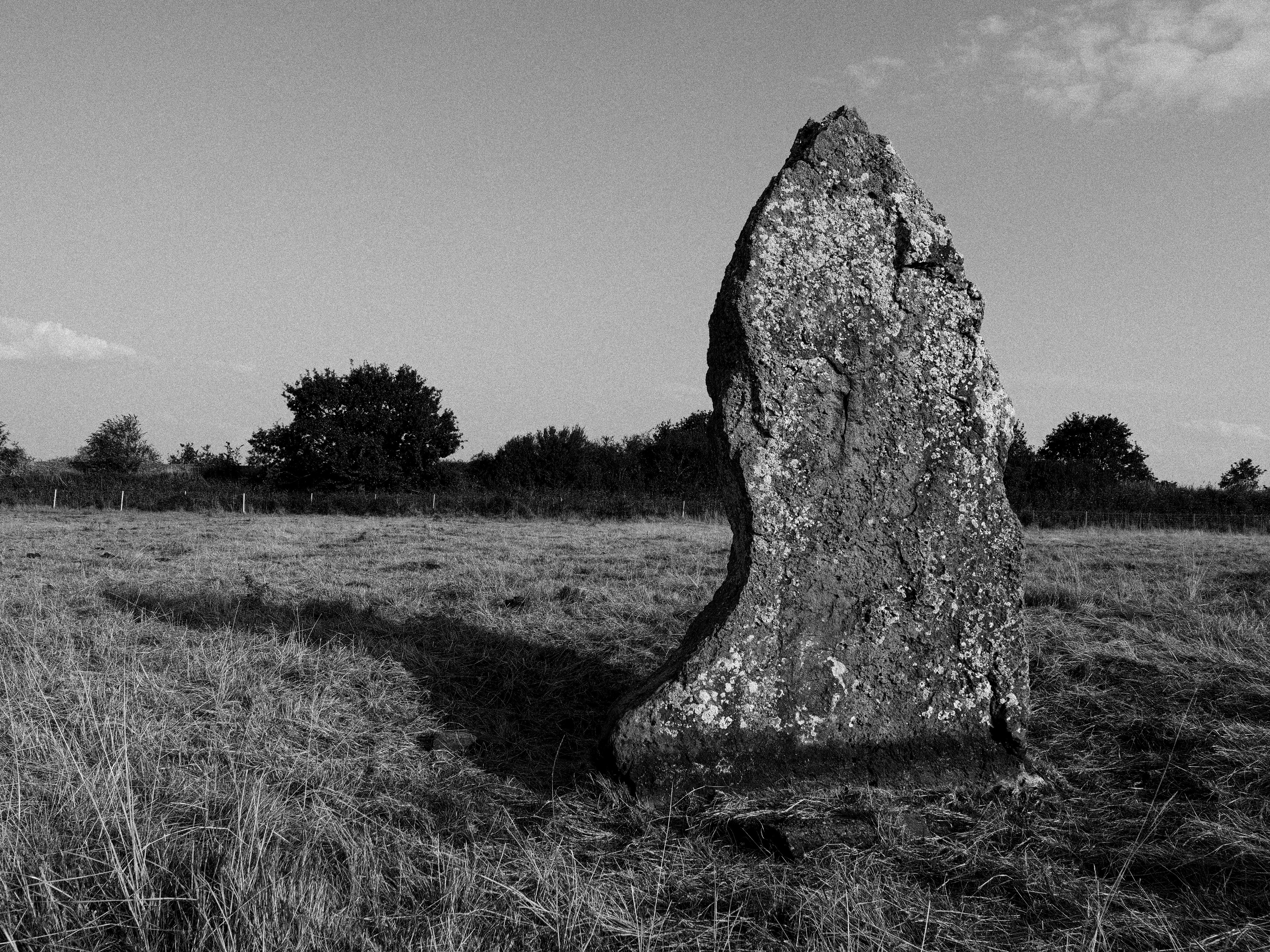
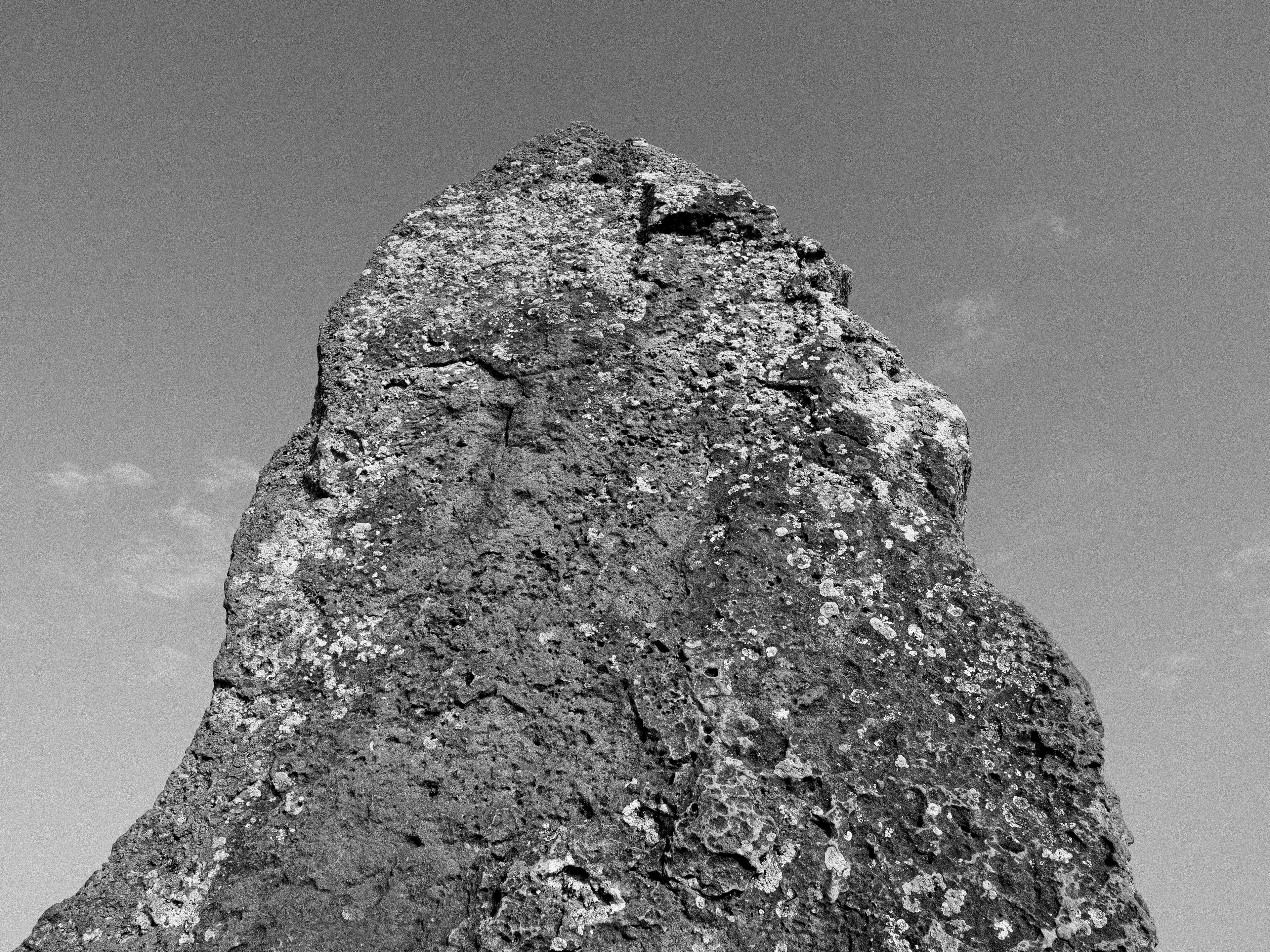
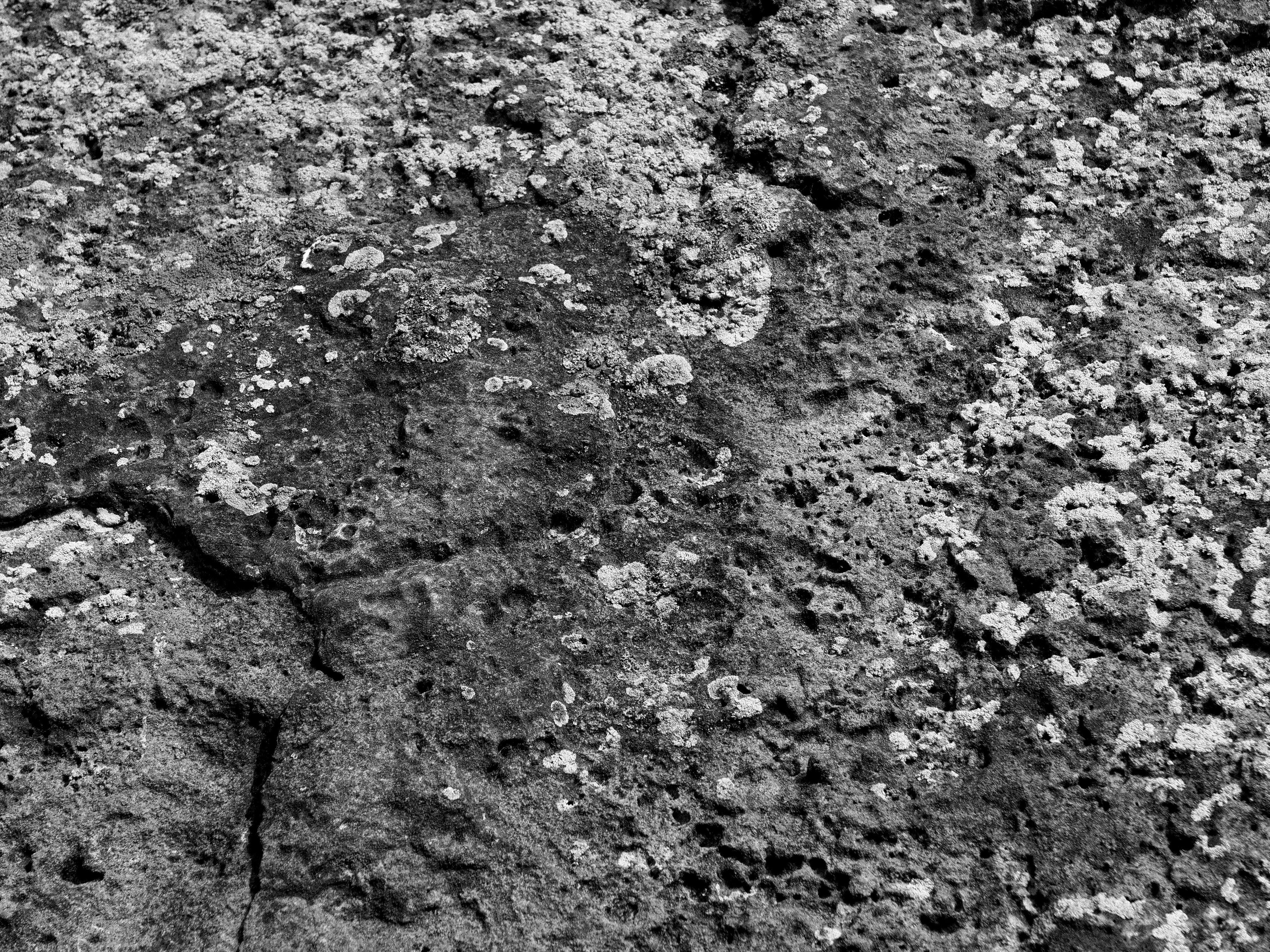
The Devil was said to sulk away and brood in different places — stone-significant sites that bear his name. One of these is The Devil’s Pulpit, a limestone outcrop overlooking Tintern Abbey, with a sweeping view down the valley onto the monastery from which the Devil supposedly tempted monks.
In the audio excerpt, Celia Harper reads her poem “Rock.” I’m particularly fond of this piece for the way it explores the outcrop on its own terms — from within its deep geological time — reminding us of our own comparative flux as the rock bears witness to centuries of change in the valley.
The Devils Chapel
- Bream Scowels
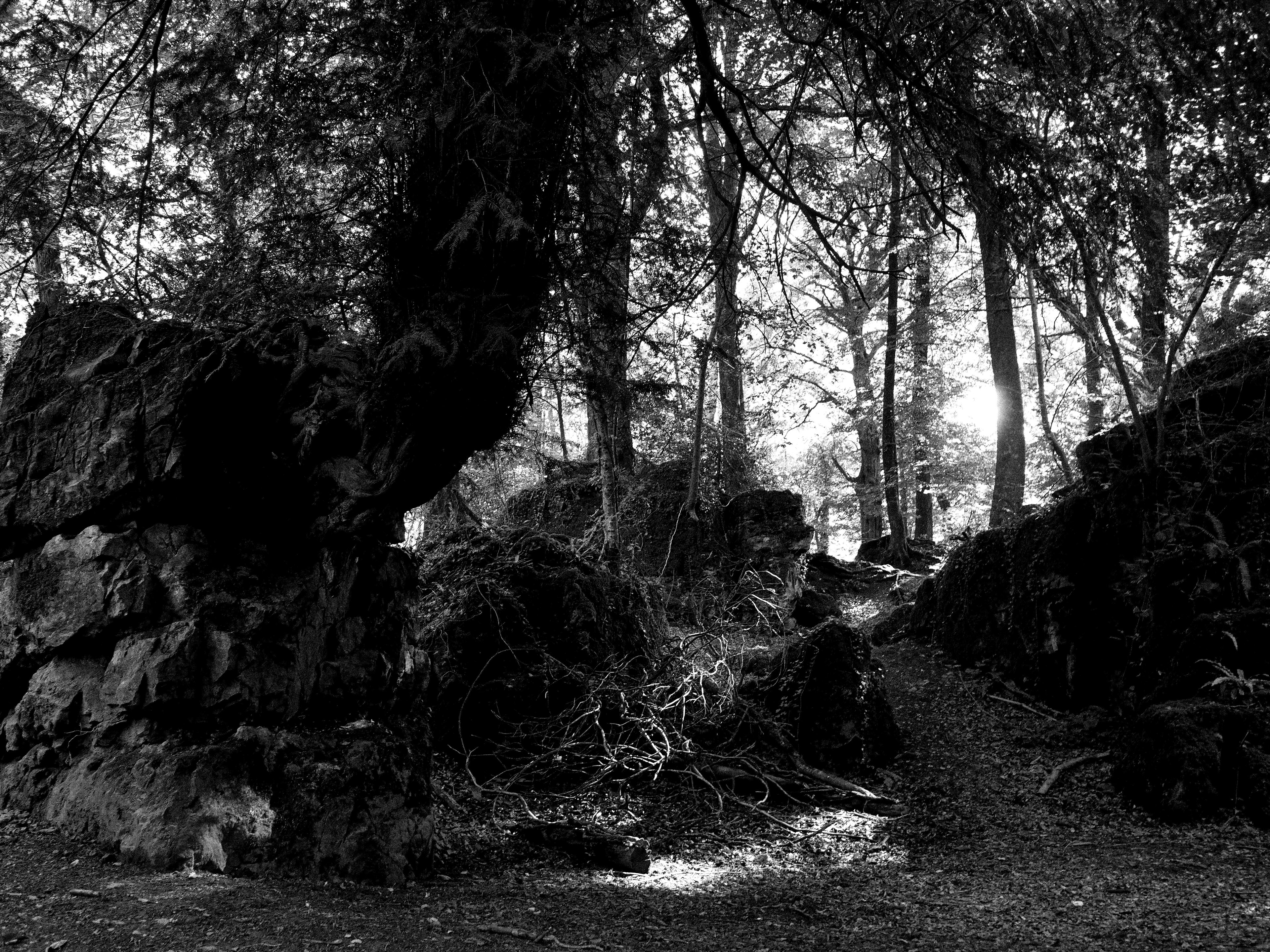
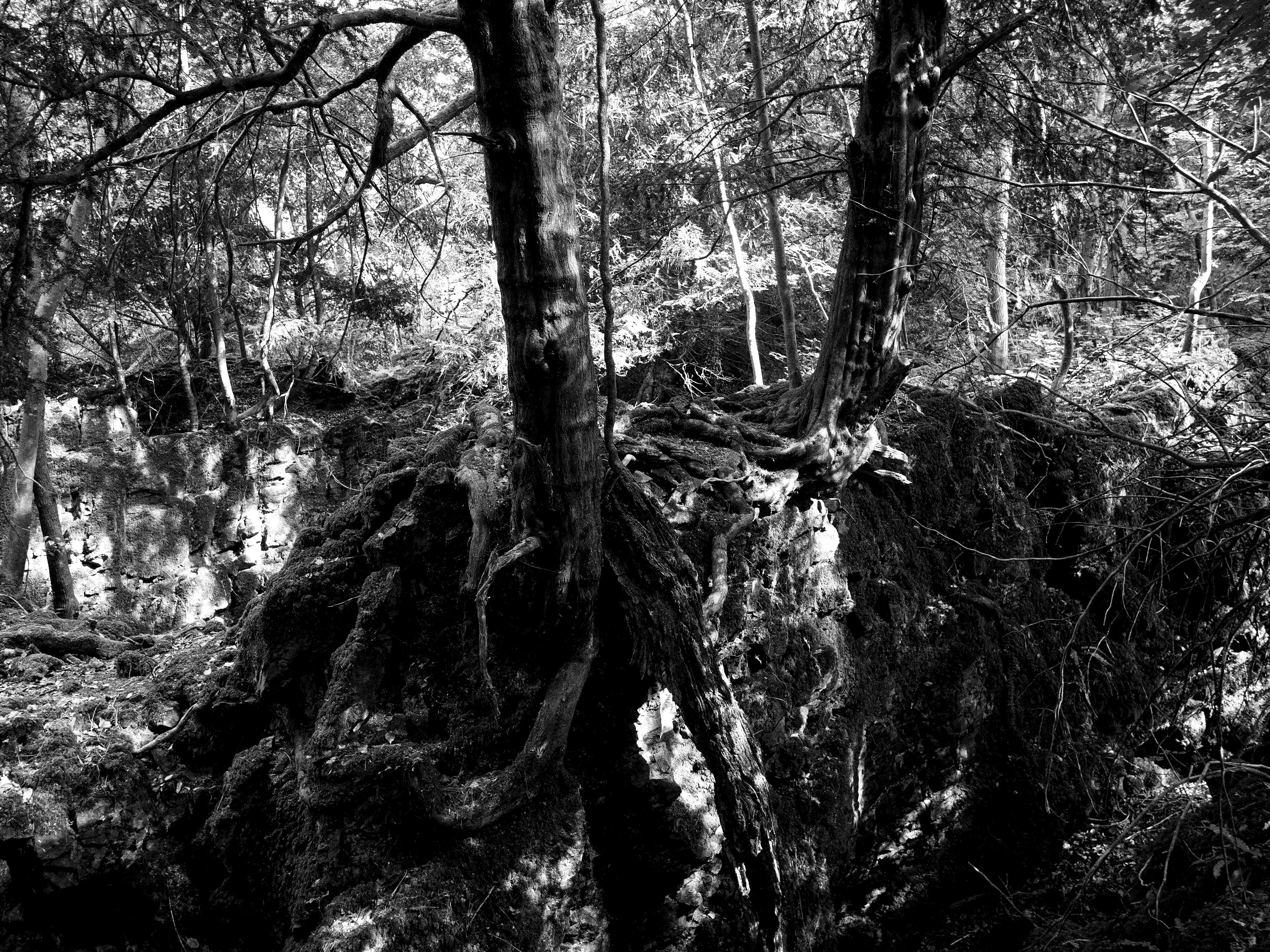
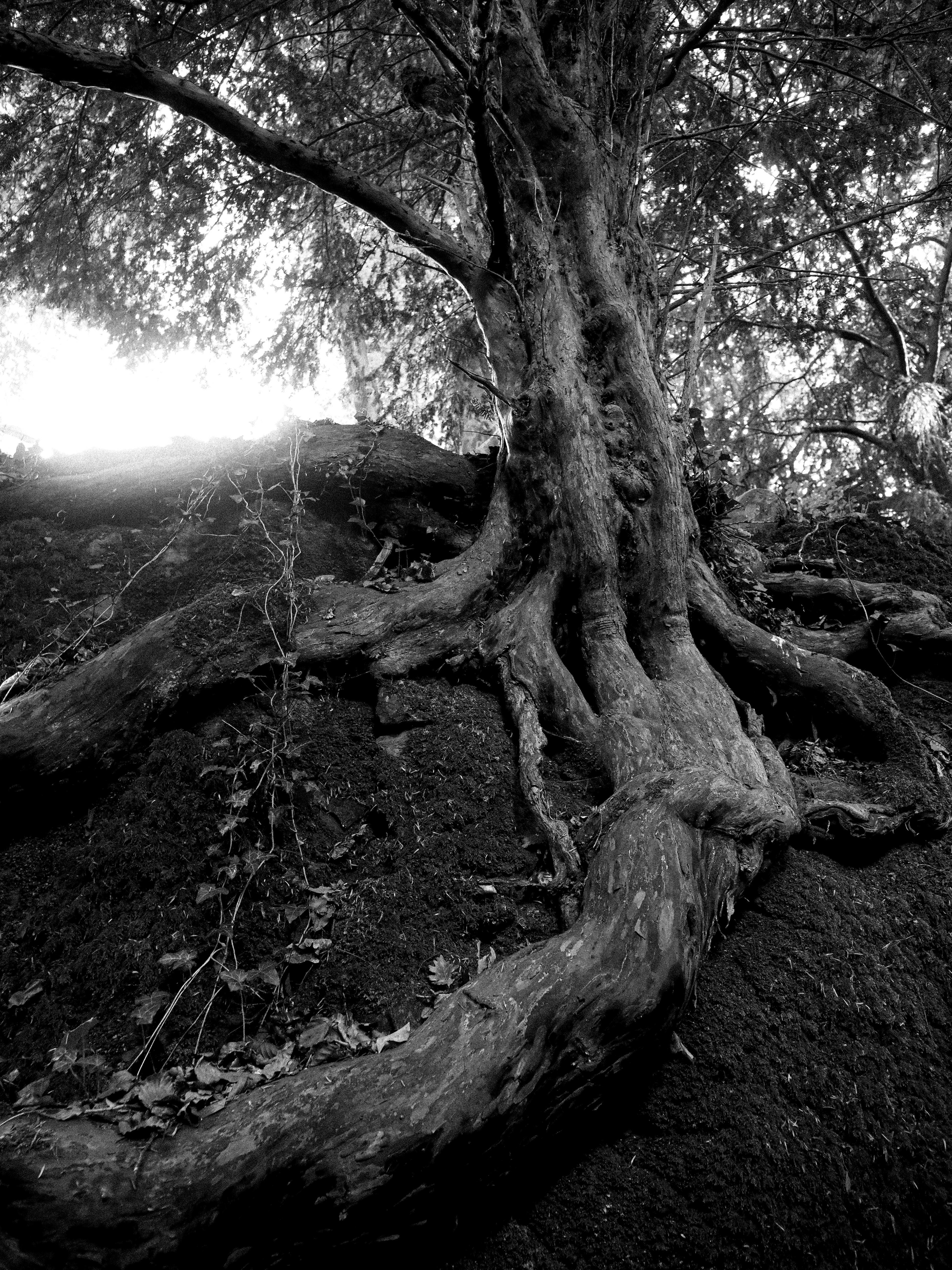
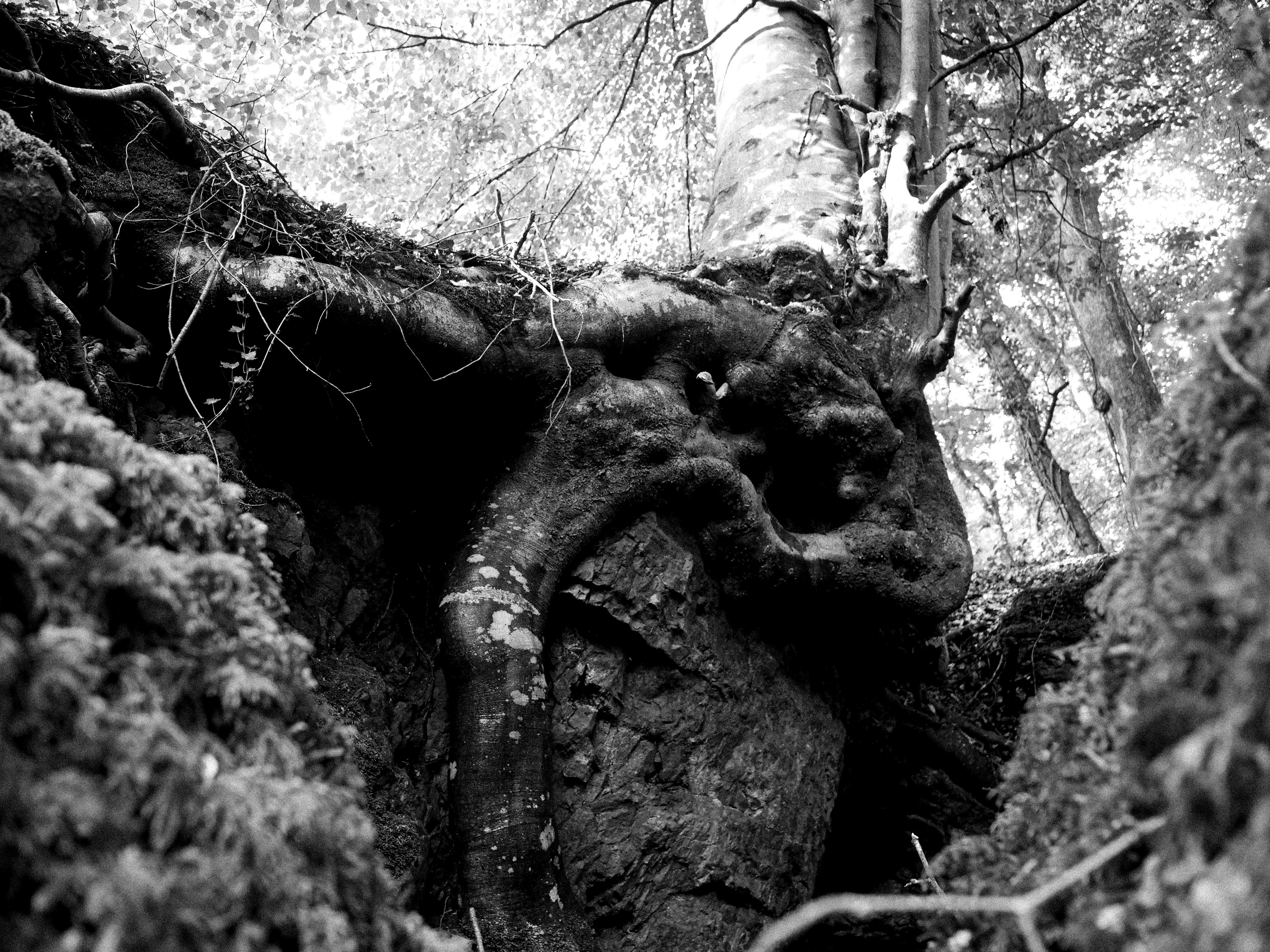
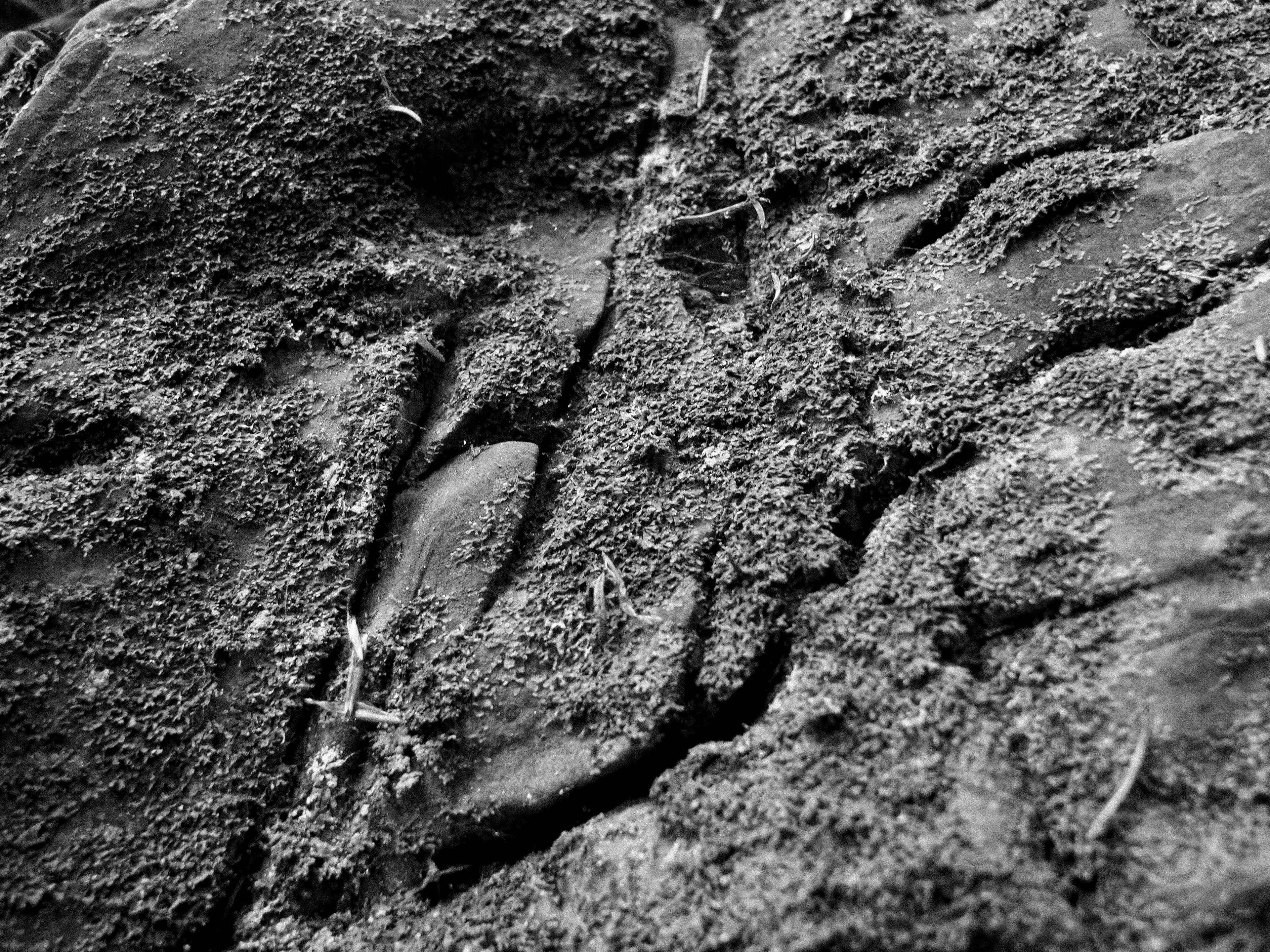
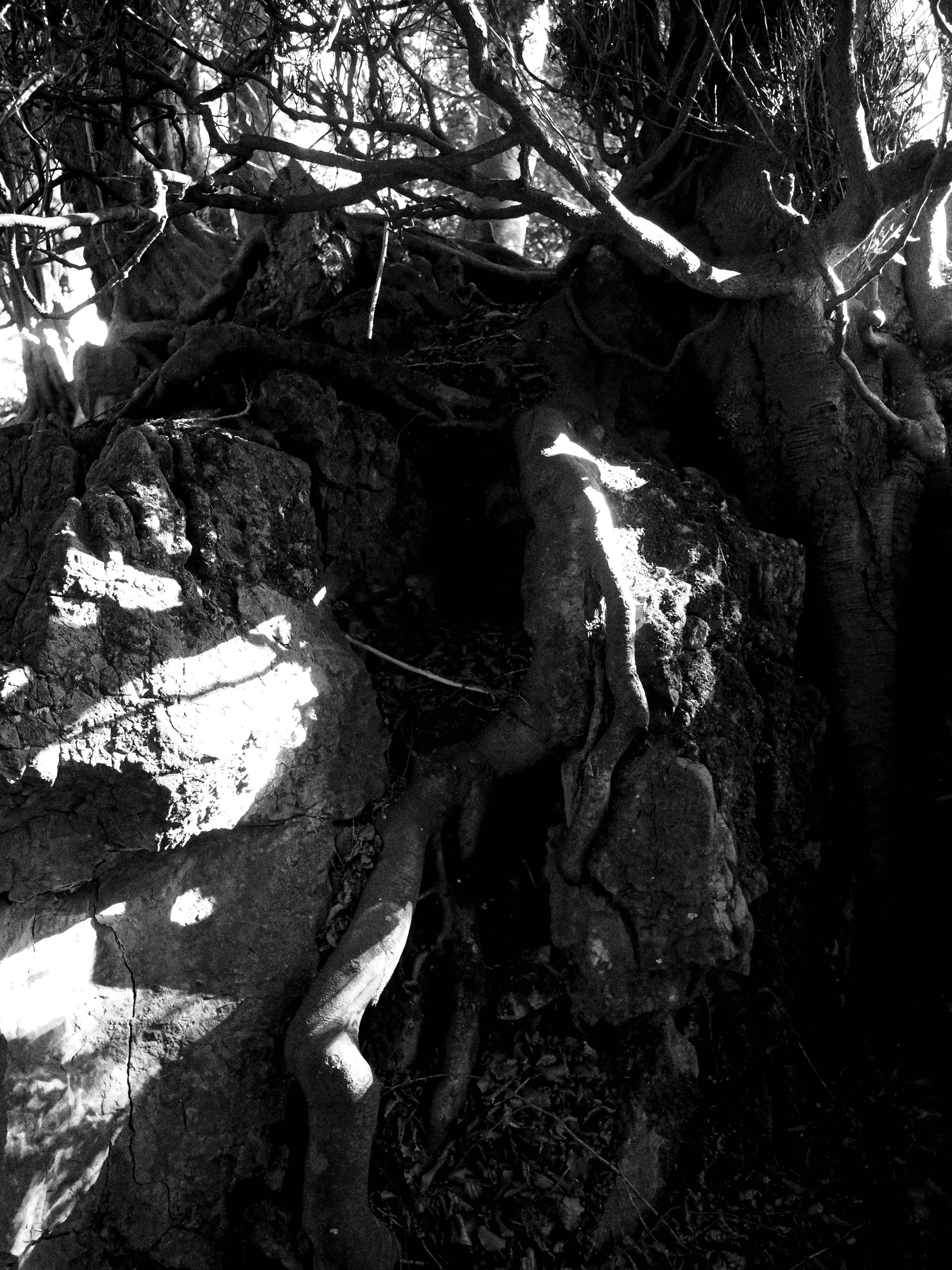
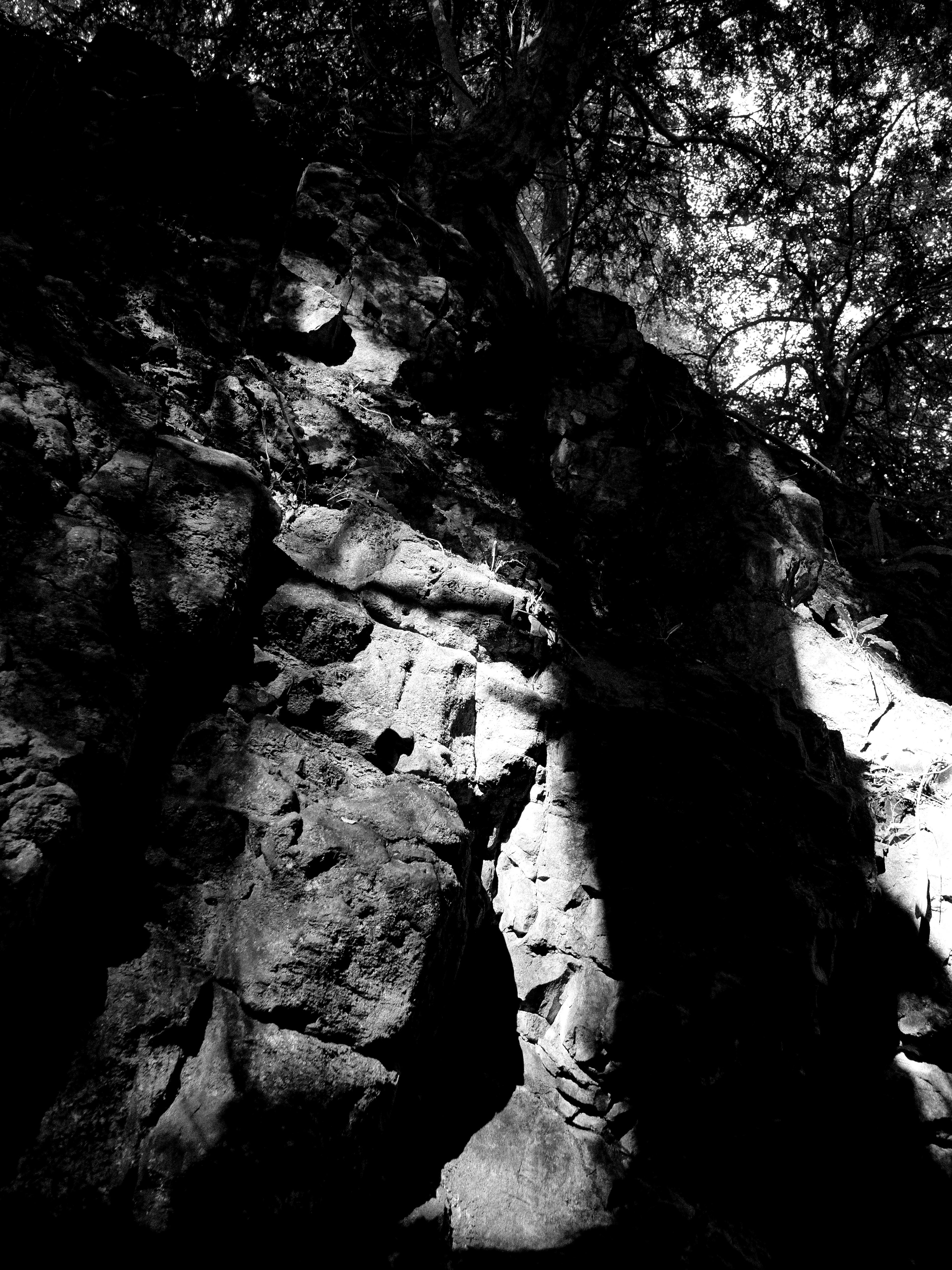
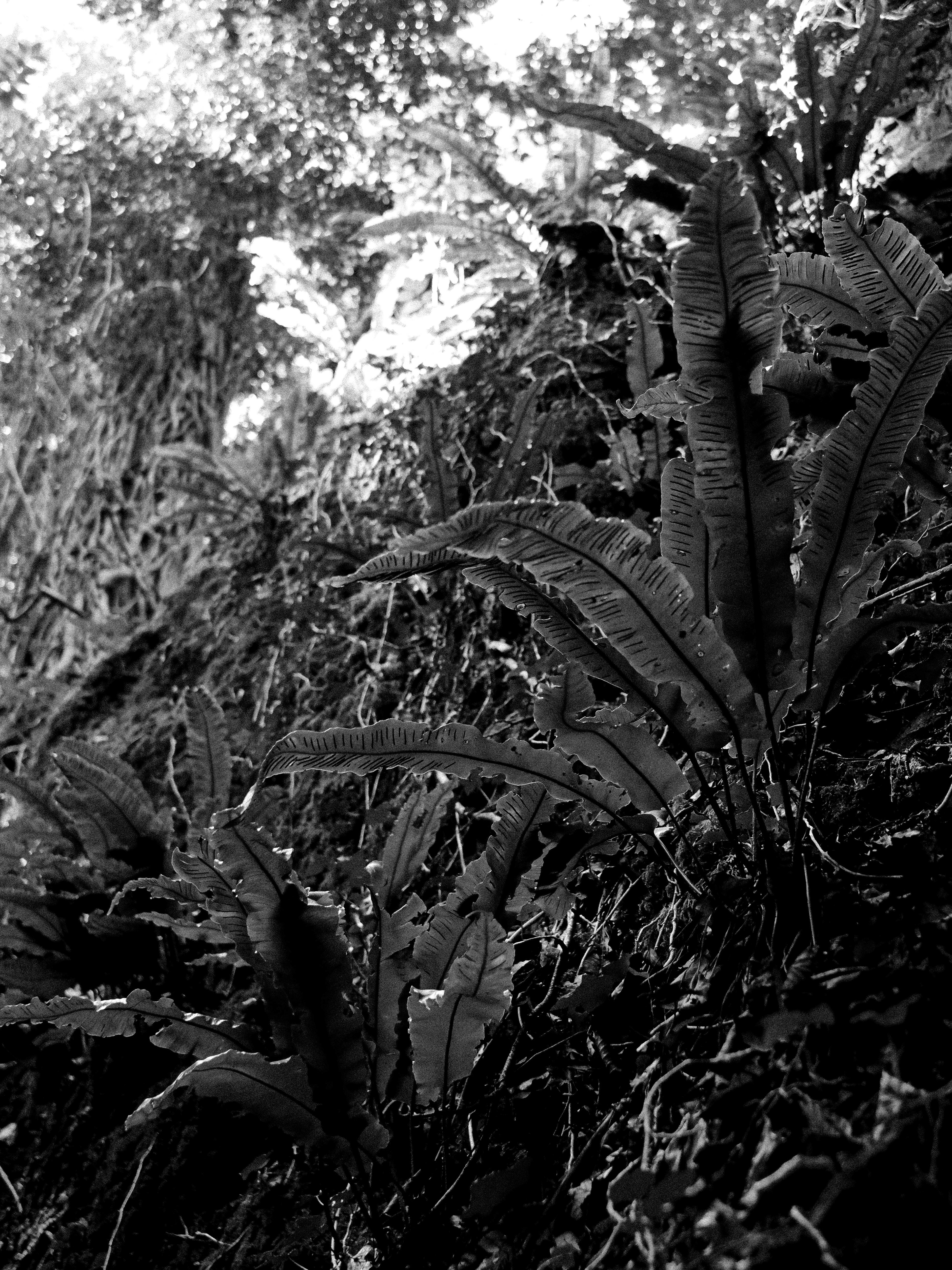
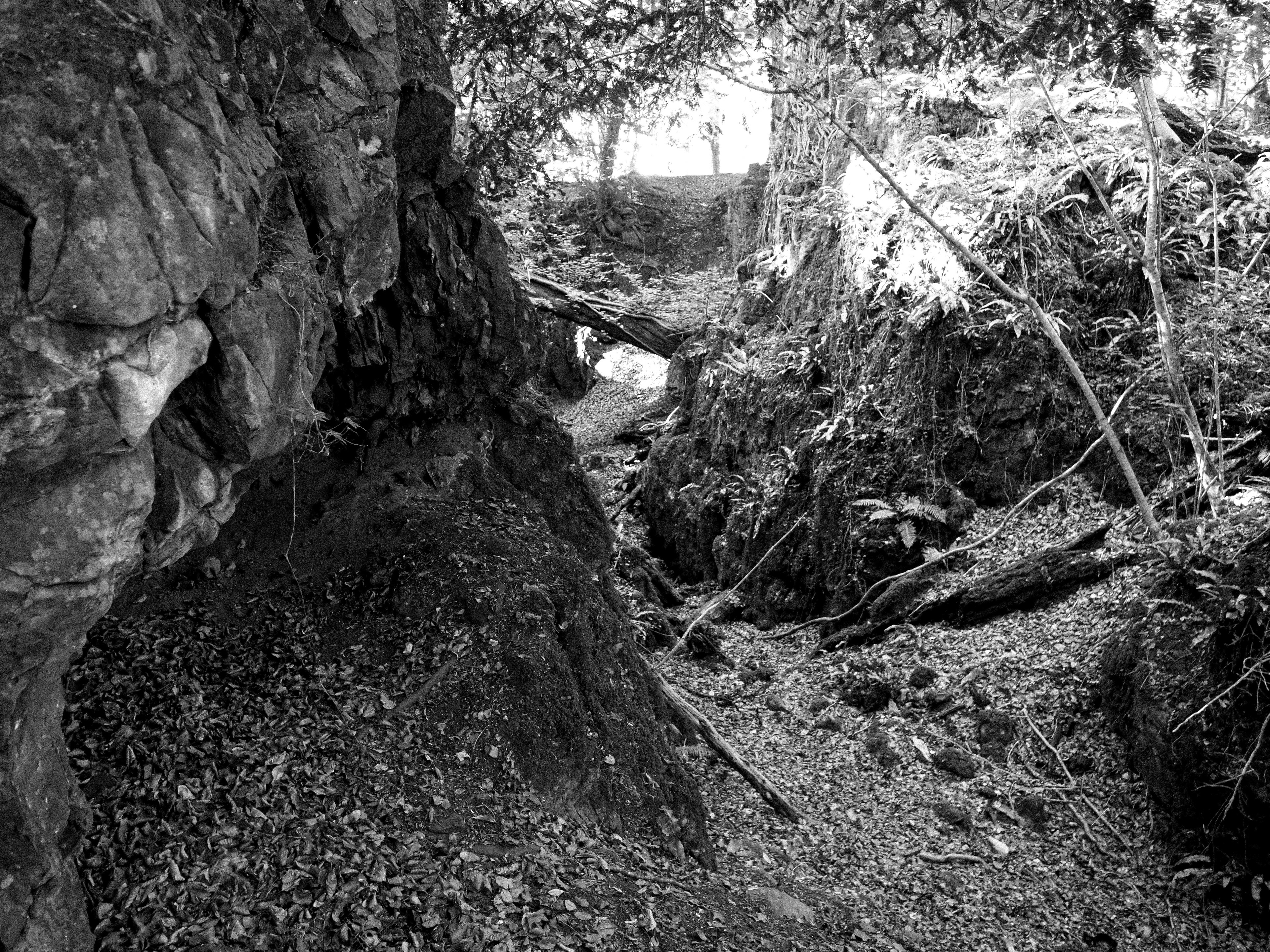
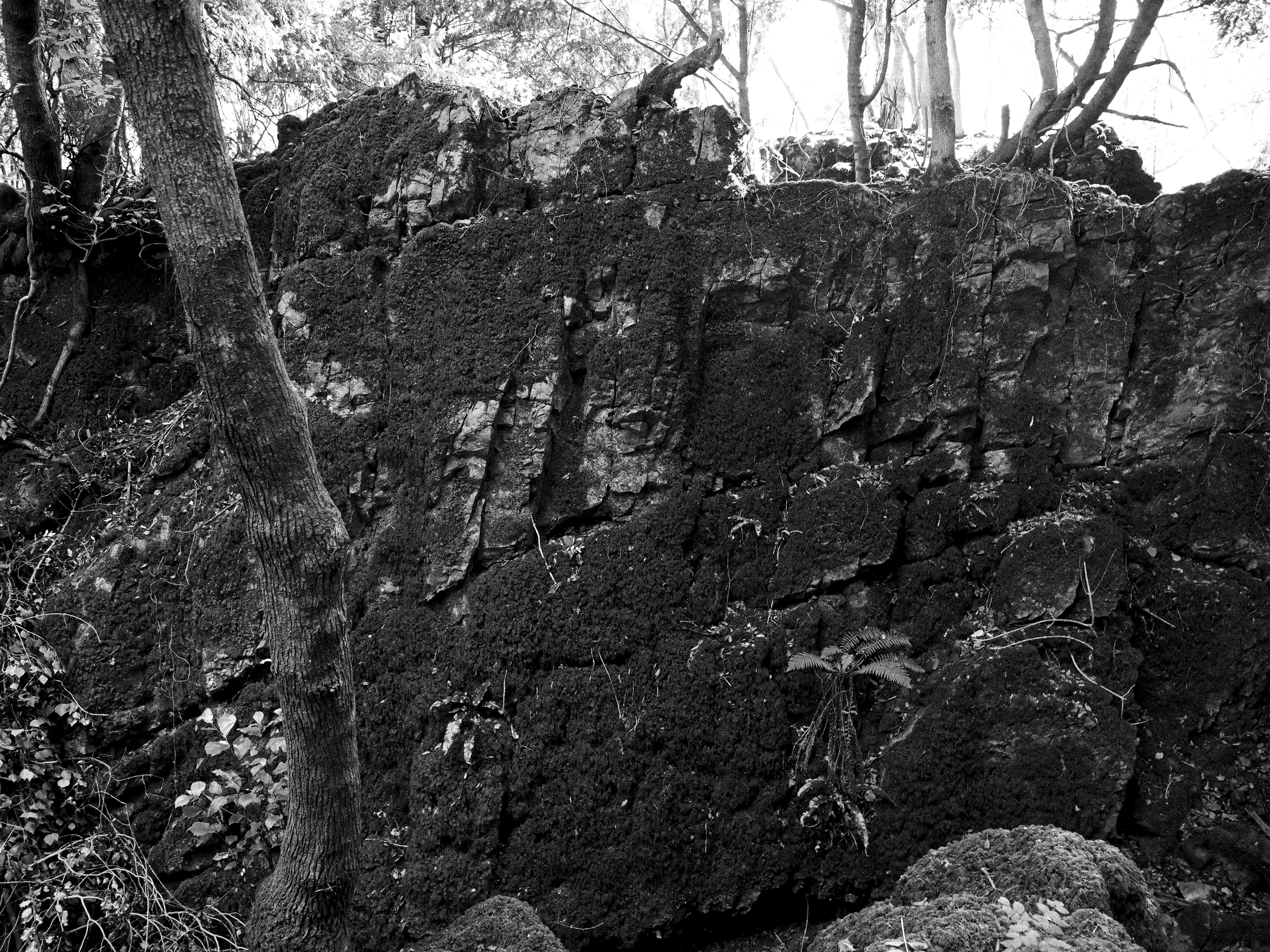
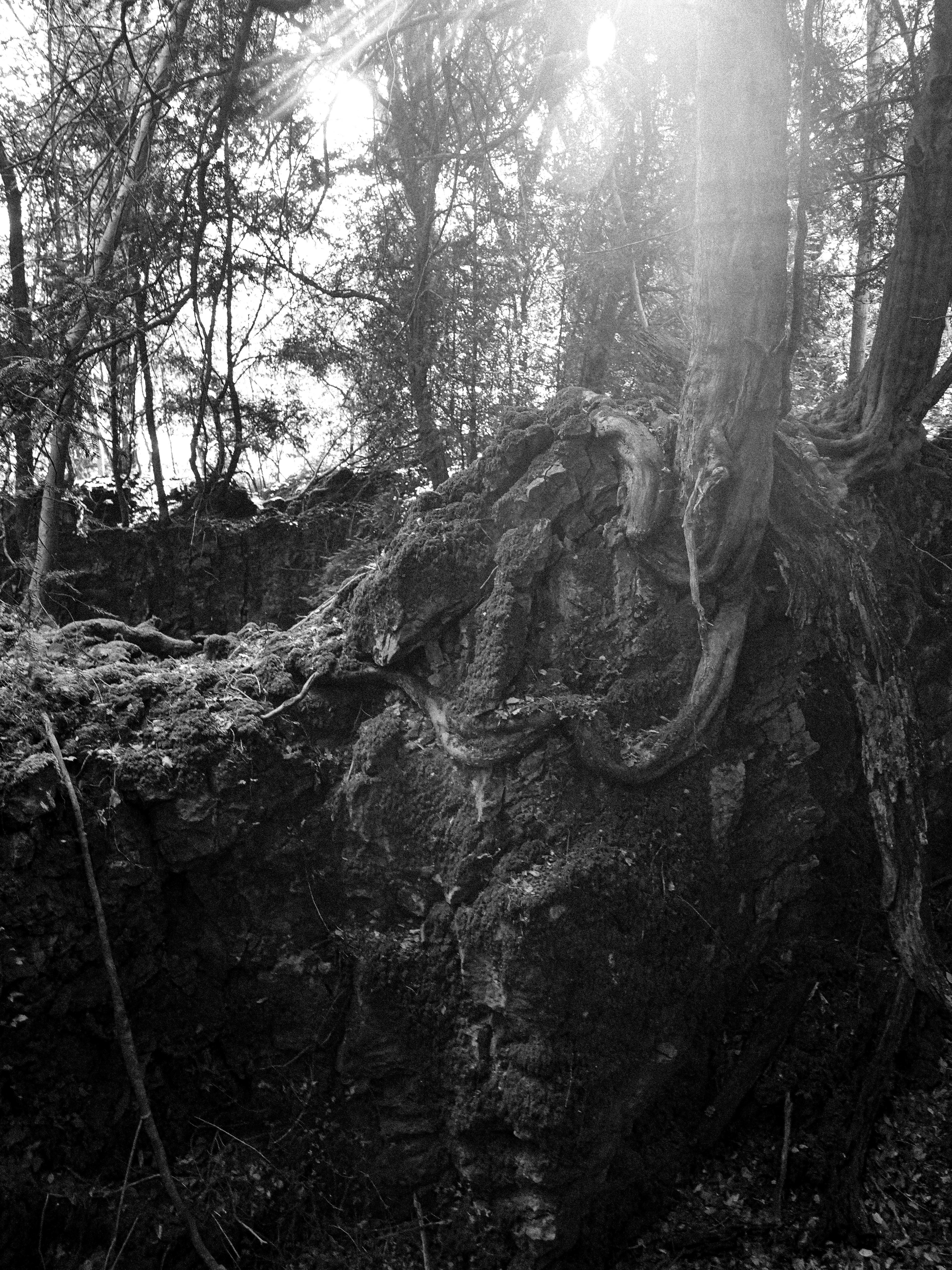
From there, I headed to The Devil’s Chapel, another location in the Forest marked by diabolic force. I wandered into the Bream Scowles for the first time, sound recorder in hand, knowing little more than the place name — curious to see what resonance it would hold in the landscape — and a few fragments of its history: the speculated Roman mining of iron ore from surface workings. This history fascinated me — the layers of geology and human adaptation — and how the very morphology of the rock might elicit certain emotions in the space, which could then be attributed to the Devil: fear, unease, anxiety.
In anthropology, I learned this as the concept of emotional topography. It combines the study of emotion with ideas of topography — mapping, geography, terrain — to understand the lived experience of feeling in a given environment, including the bodily sensations and social dynamics that shape it.
Mapping my own body as I entered the Scowles, my fear was tangible. I accounted for it partly by being alone, but also by the increasing darkness. The canopy of ancient beech trees — dense and mature — blocked much of the light, casting a heavy shade across the forest floor. Naturally, we feel more nervous in the dark, dependent as we are on vision; the mind fills the unknown with its own sardonic possibilities.
Within a folkloric ecosystem, that same beech canopy sustains a range of shade-tolerant plants, many of which carry their own lore and associations with the Devil. The yew tree is the most striking of these — snaking over the rock in strange, contorted shapes.
The unknown — and our endless tendency to populate it with the darker corners of imagination — is only heightened by the Scowles’ unpredictable terrain. The rock formations descend in hidden caverns, obscured by leaves, while their vertical faces keep you wondering what might lie just beyond sight.
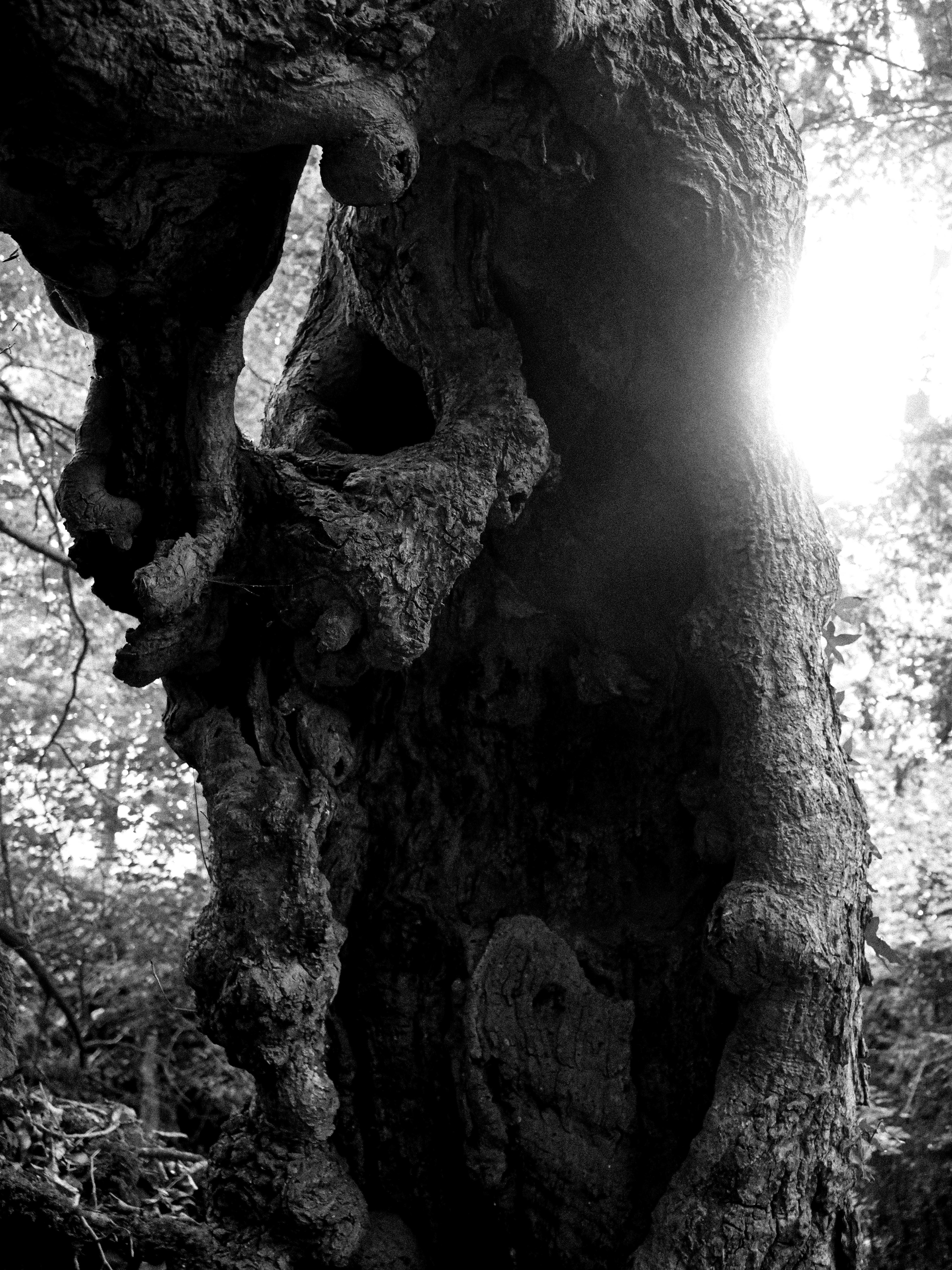
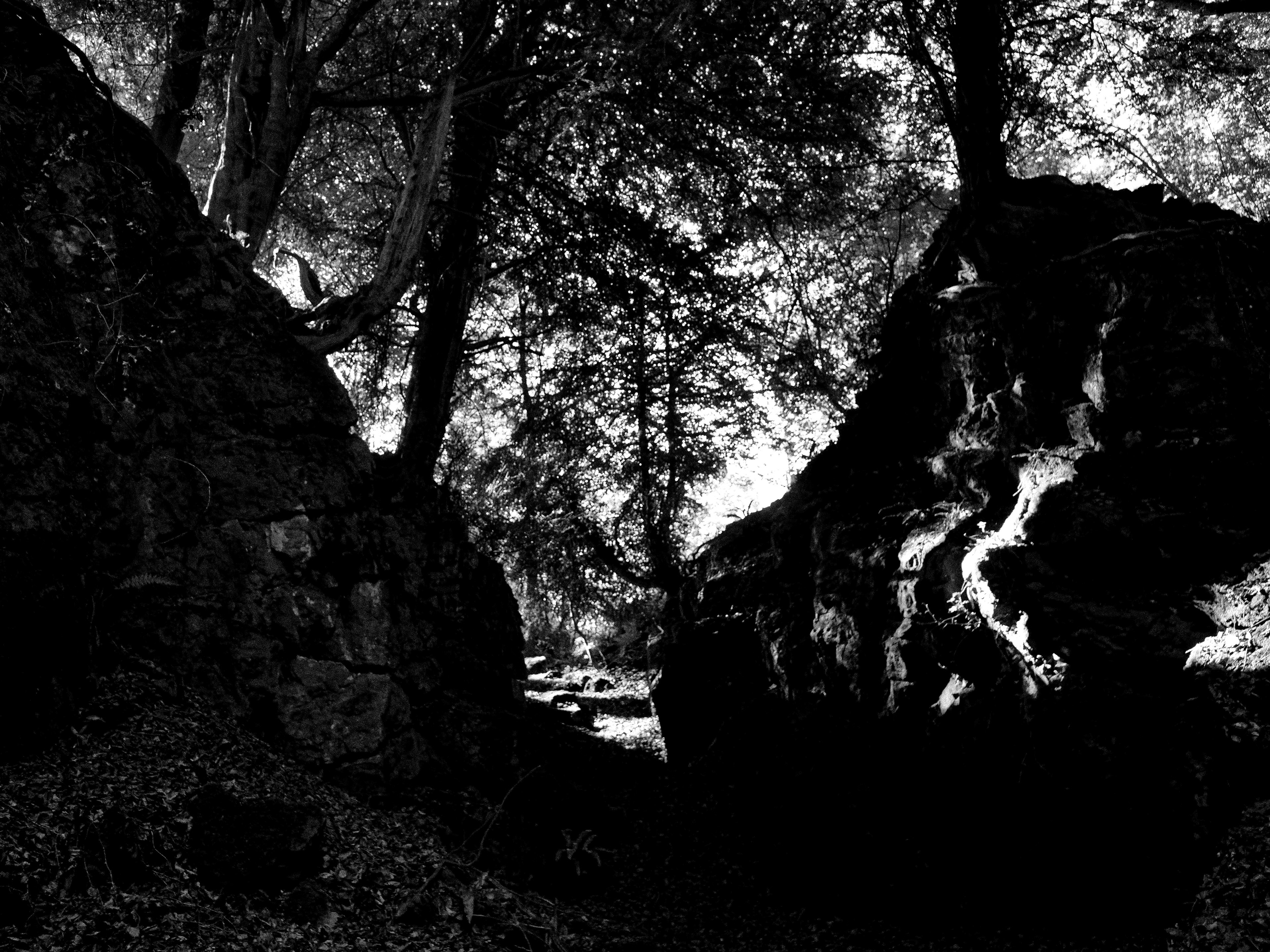
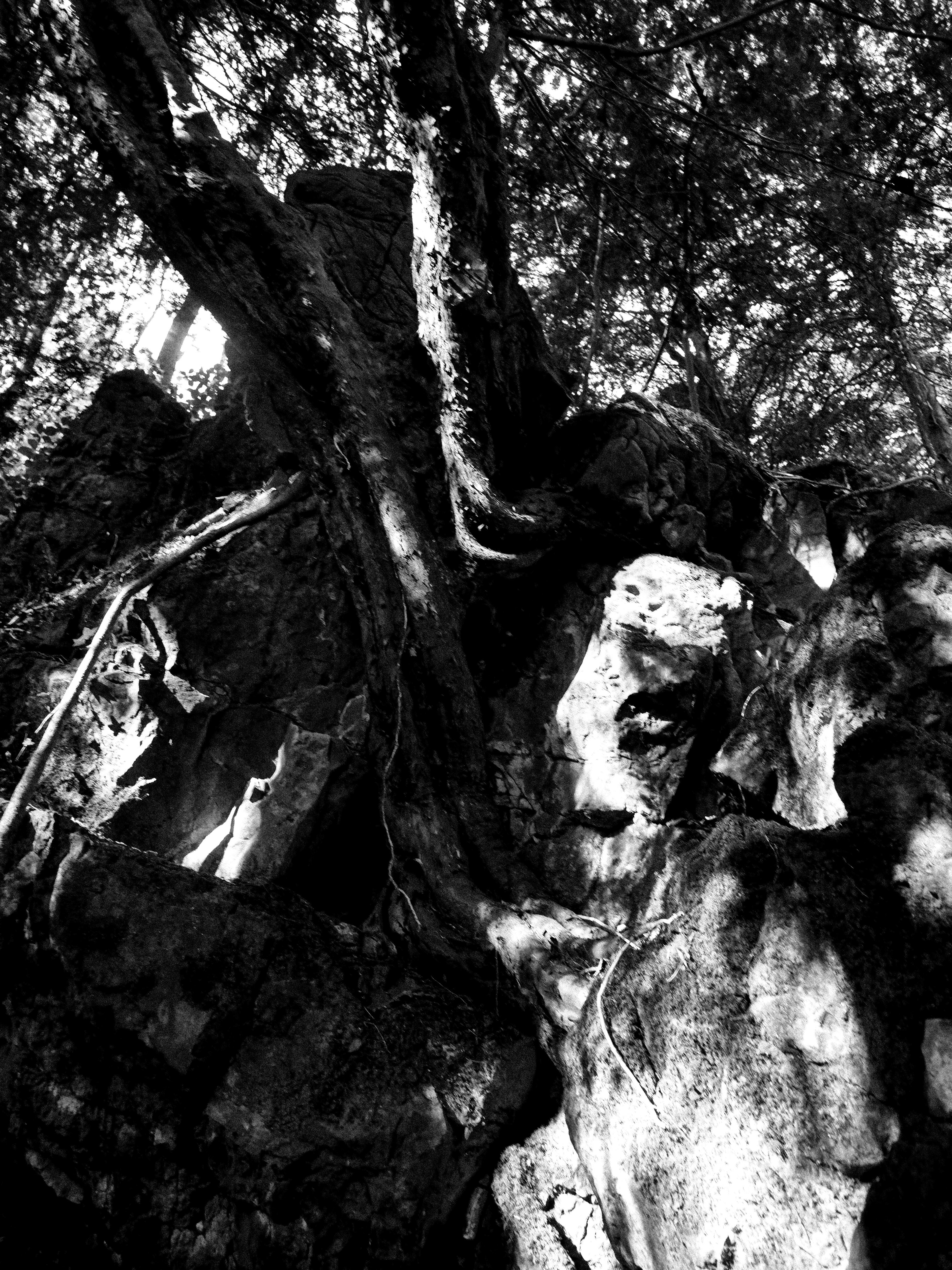
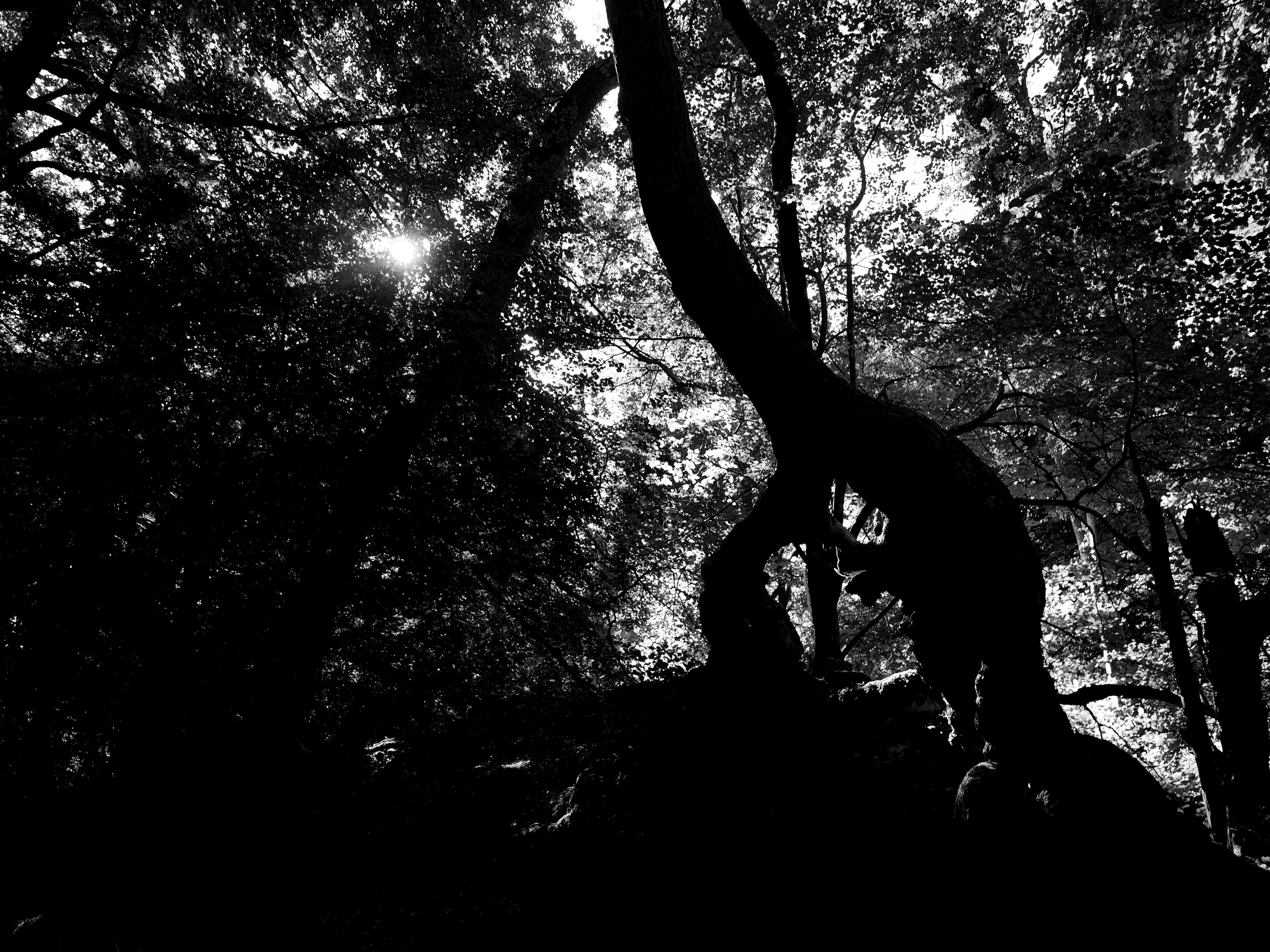
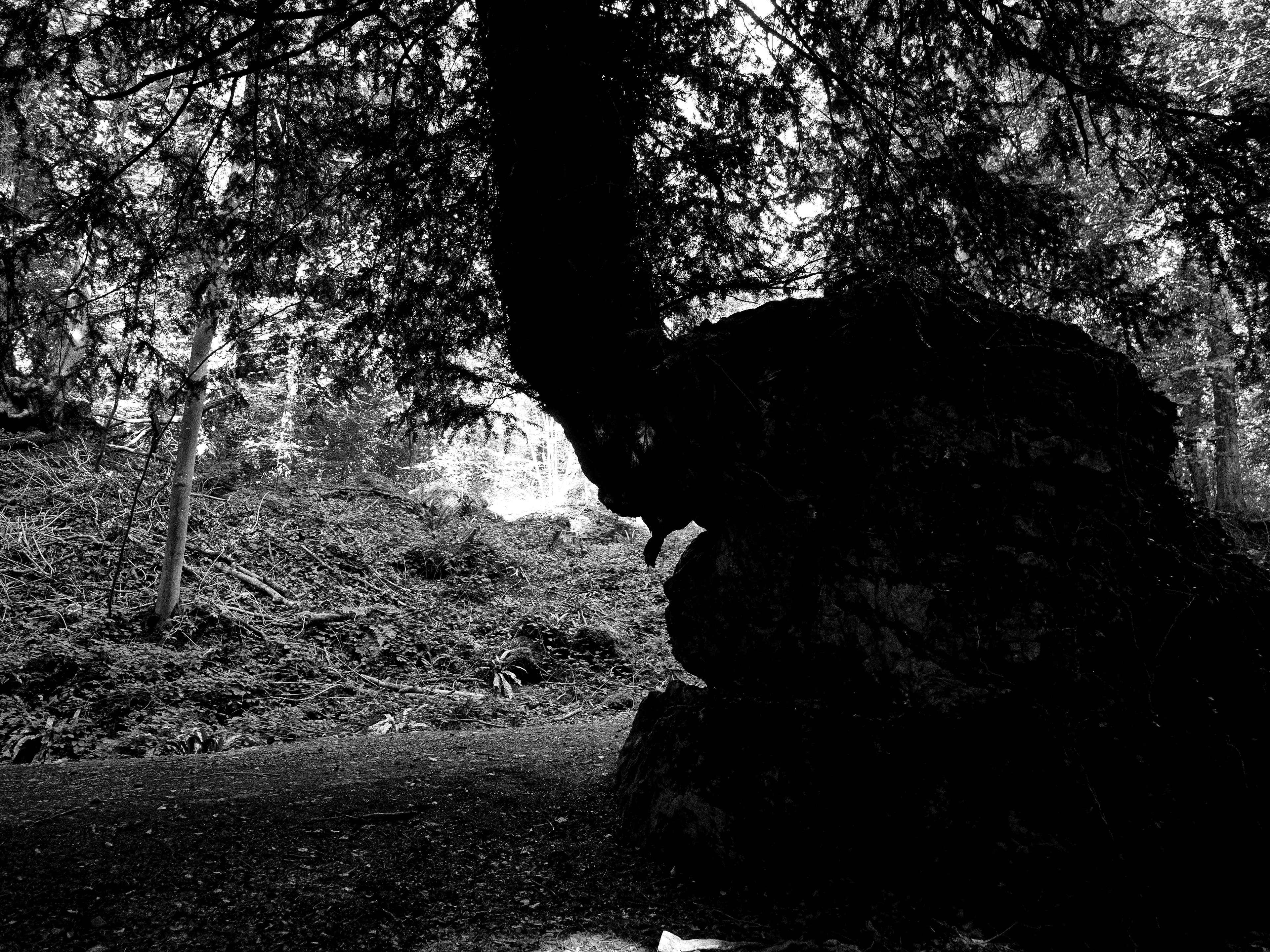
Another way the rock dictates emotional and physical response is through the unevenness of the ground itself. You’re drawn down onto all fours, scrambling across slick stone, steadying yourself with your hands. The rock literally shapes how you move — and in doing so, how you experience it.
I was delighted to hear from Jane Spray, who had written a powerful poem about the Scowles. She made similar connections between the landscape and its ecology — describing, among other things, her experience of foraging death caps. Her reflections reinforced for me how subtle associations between plant life and danger influence the ways we story landscapes.
At first, I found little written lore about The Devil’s Chapel. But when I began speaking about the project to friends, family, and strangers met in coffee shops, stories emerged. One friend, Steve, recalled how the place was whispered about in the school playground — joked about in half-serious fear. Another, Tony, told me a story of a friend who had to be escorted through the woods by his girlfriend when visiting her — she lived on the other side — because he was too afraid to make the walk alone. Others I met recalled seeing an ambiguous figure in the woodland, or hearing of people who had. You can hear their stories in the episode.
Later, I discovered that church services and even choir competitions were once held in the woods to combat the site’s demonic associations. I loved imagining this as a form of spiritual reclamation — logical, in its own way, like turning on your favourite music when moving into a new house, encouraging the space to absorb your presence. I turned this sliver of folk history into a script performed by voice actor Fawn Fae for the recording.
The Longstone
- Staunton
The name Staunton itself carries a kind of geological etymology — Staun Ton, meaning “stoney settlement” or “farmstead.” Place names hold clues to how people once read their surroundings; they anchor identity in terrain. Here, that identity is explicitly stony — shaped and made sensible through the element it names.
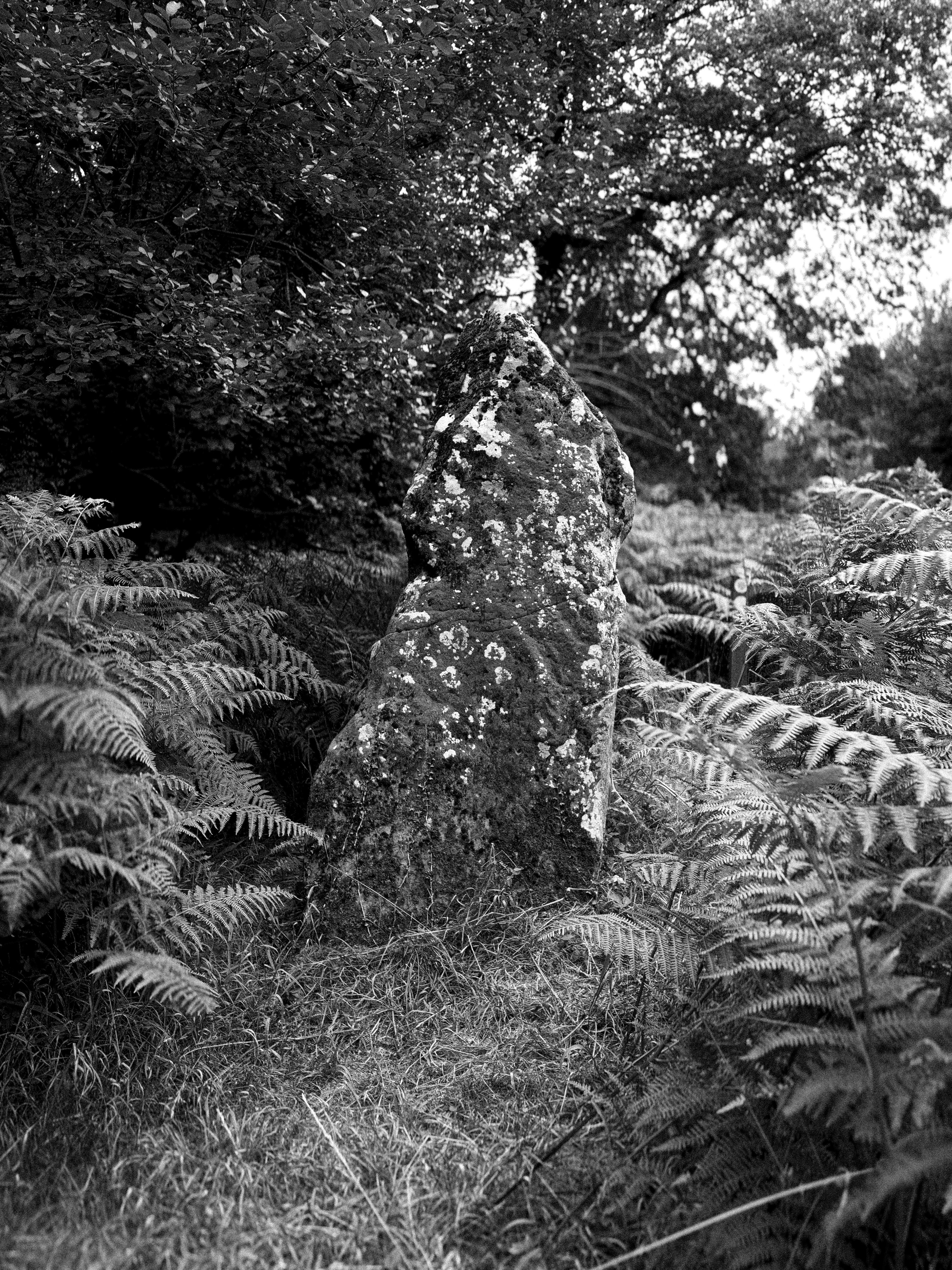
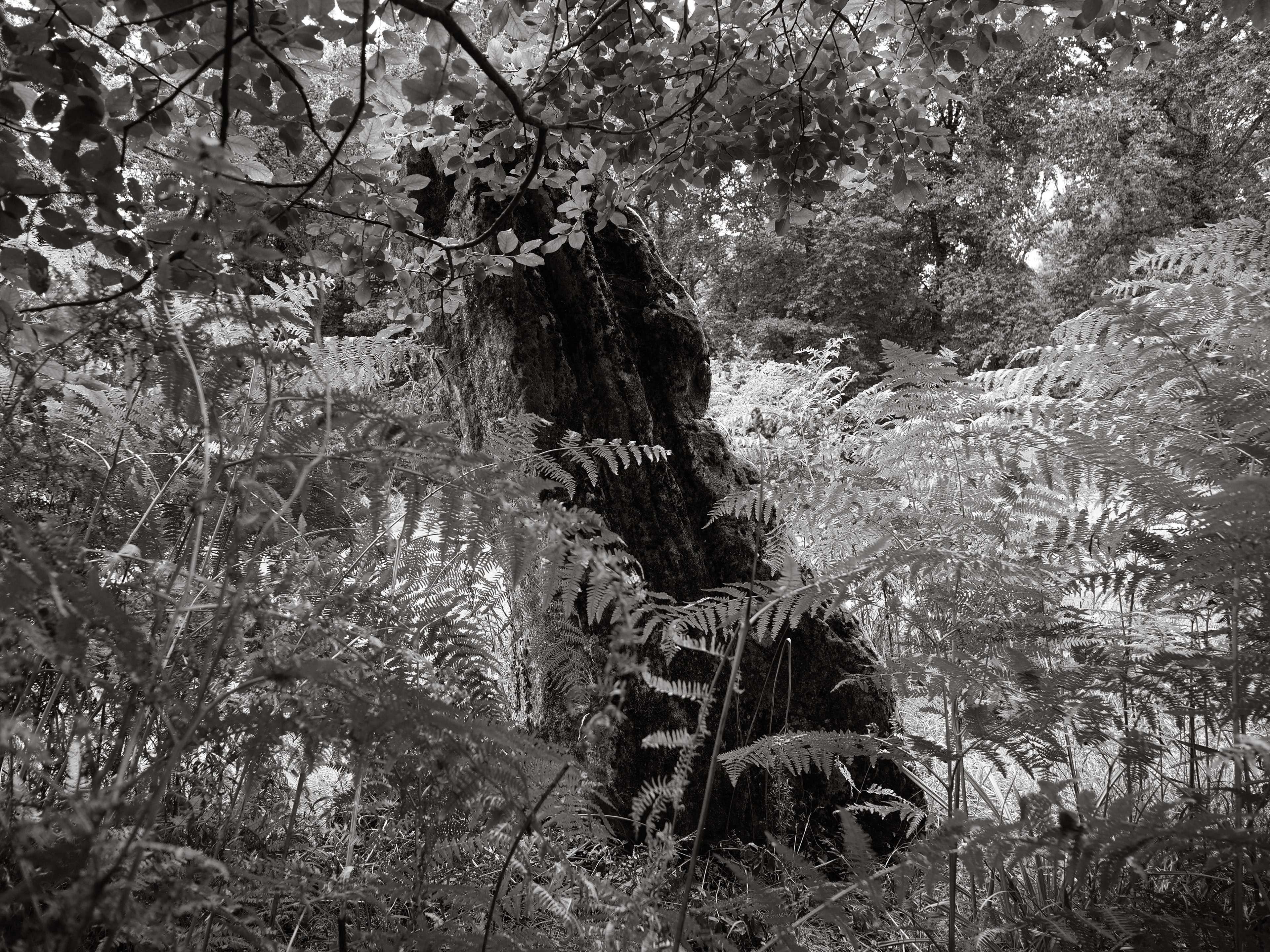
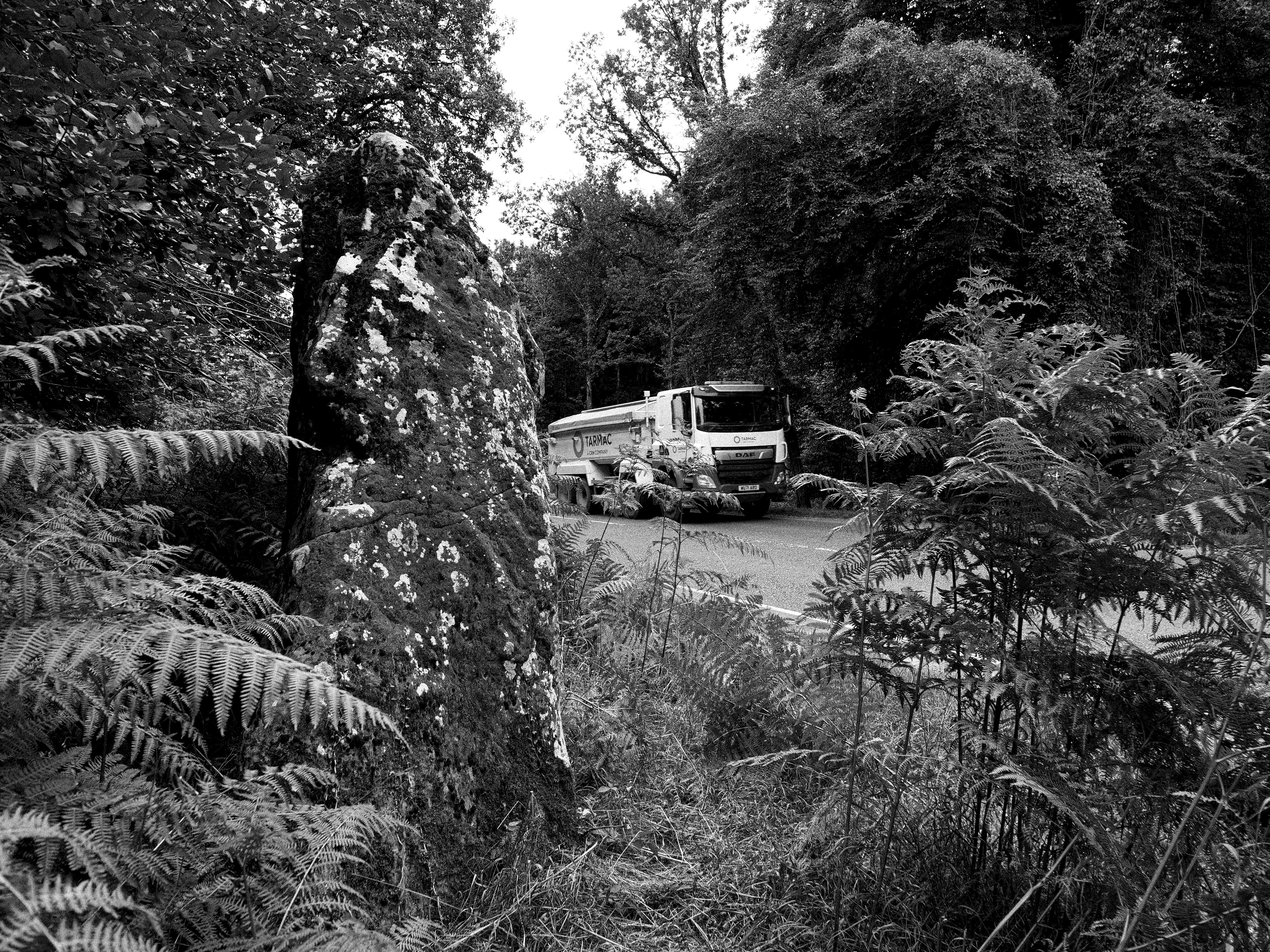
The first of these sites I visited was the Longstone — a solitary monolith whose most well-known adage claims that “if you prick it with a pin at midnight, it will bleed.” I explore this lore in the episode.
The Longstone introduced a striking dialectic within the project — between neglect and presence, loneliness and connection. Its position, half-forgotten by the roadside and brushed by the slipstream of passing cars, gave it an air of abandonment. Yet through the people I met, the stone’s stories were continually reanimated — held not only in history but in the living present.
One such meeting was with Aimee Bee, whose book Guarding Sacred Sites (https://books.google.co.uk/books/about/Guarding_Sacred_Sites.html?id=WO1gDQAAQBAJ&source=kp_book_description&redir_esc=y) explores practices of guardianship and care for elemental places. Our conversation turned toward what it means to protect something like a stone — an entity that appears fixed yet is, like everything, subject to shifting values and vulnerabilities. I realised how easily I had taken their protection for granted, assuming such sites to be “set in stone.” But as cultural sensibilities change, so too do the terms of their preservation.
This raised larger questions for me: How do we speak with, as, or for elements of the landscape? What forms of activism, or even kinship, might arise when we acknowledge stones, waters, and trees as more than backdrop — as participants in shared futures? The Longstone felt like an apt site for such reflections, since it is one of the few to which local lore grants an unmistakable vitality. A stone that bleeds is not inert; it is imagined as flesh, as presence — porous to touch, sensation, and harm.
Mary E. Jenkins’ poem, also featured in the episode, turns a more sceptical eye toward the stone’s neglect, speaking to a quiet loneliness — the estrangement that arises when humans forget how to connect with what once felt animate.
The Buckstone
- Staunton
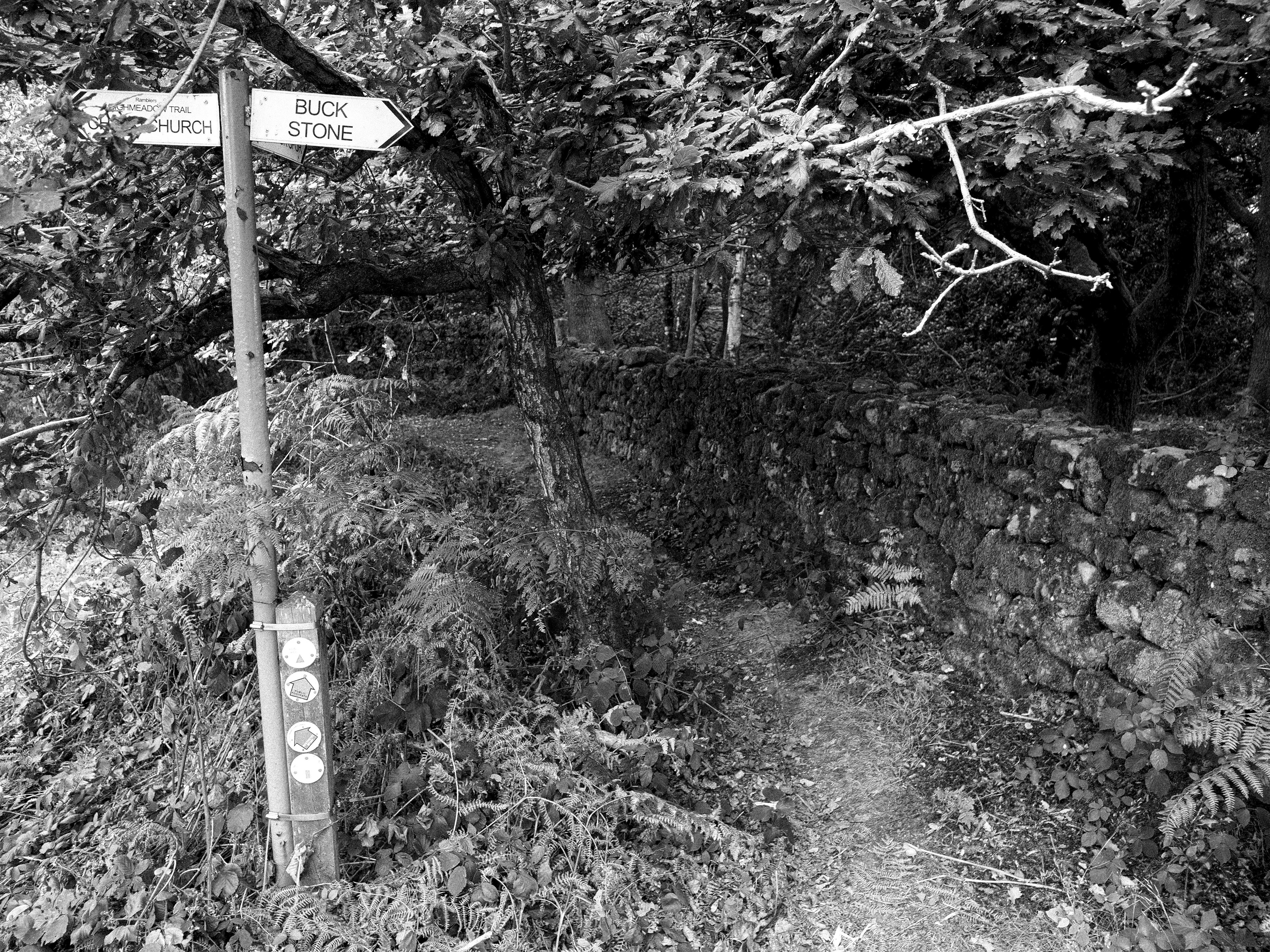
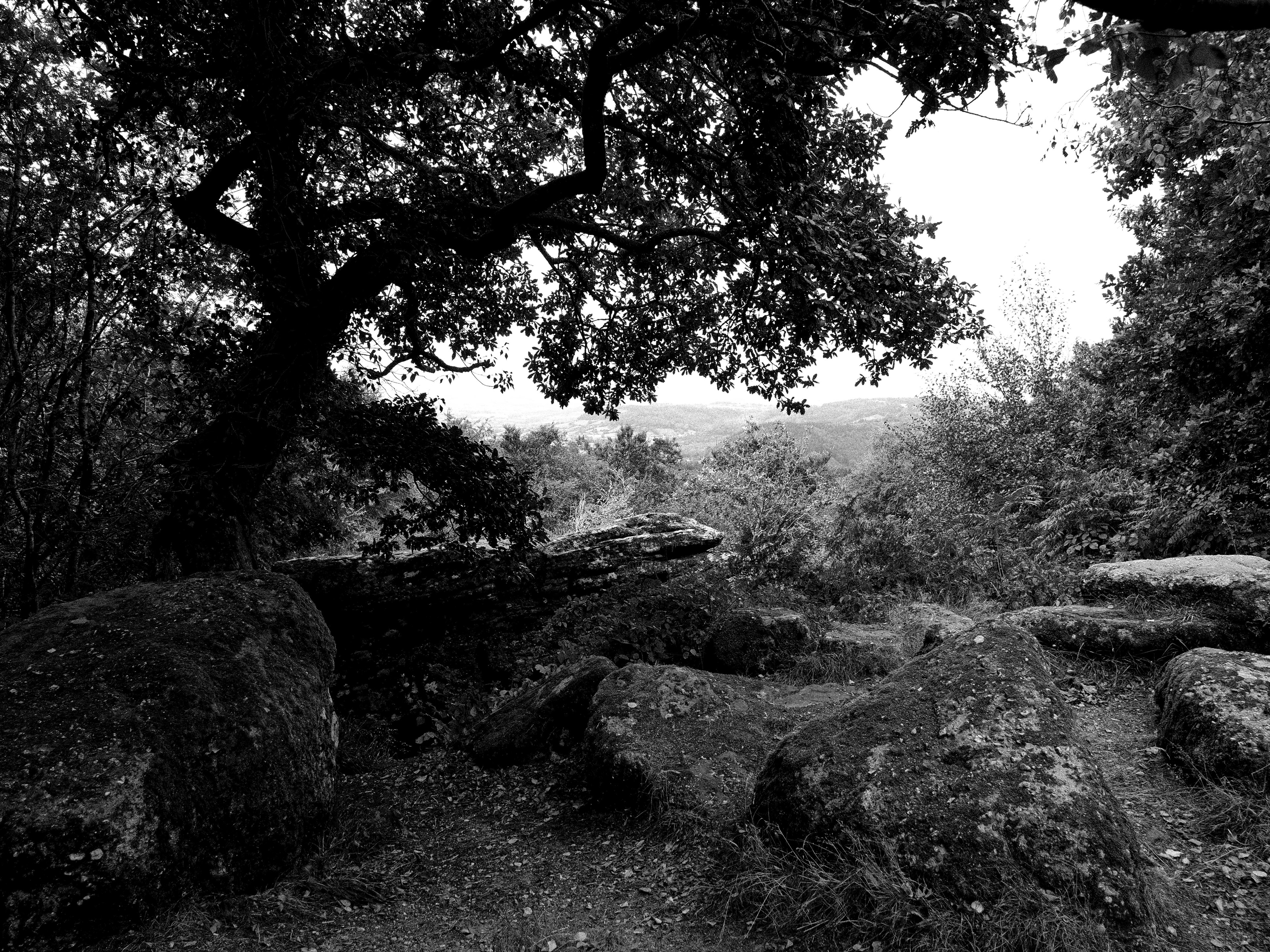
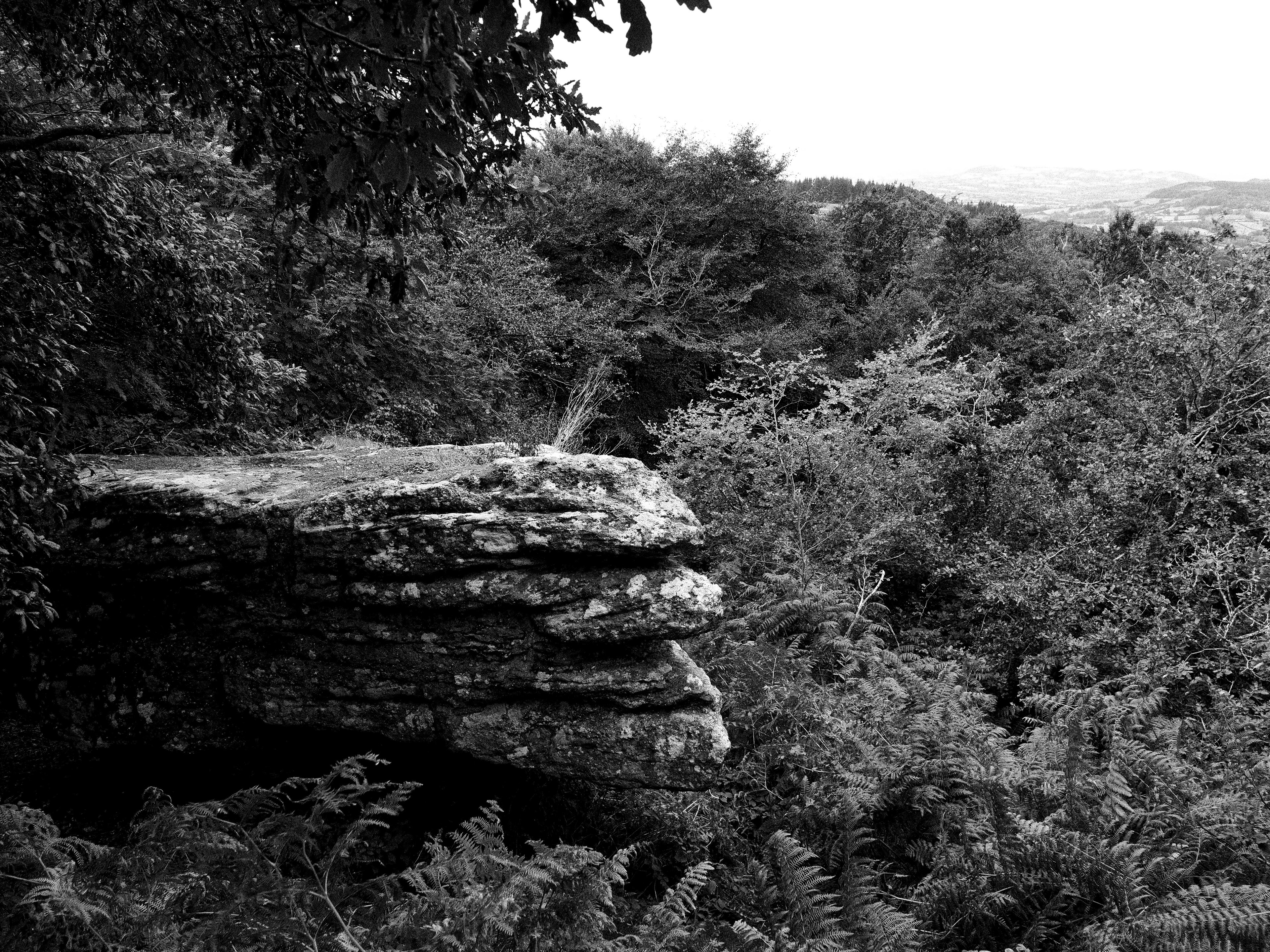
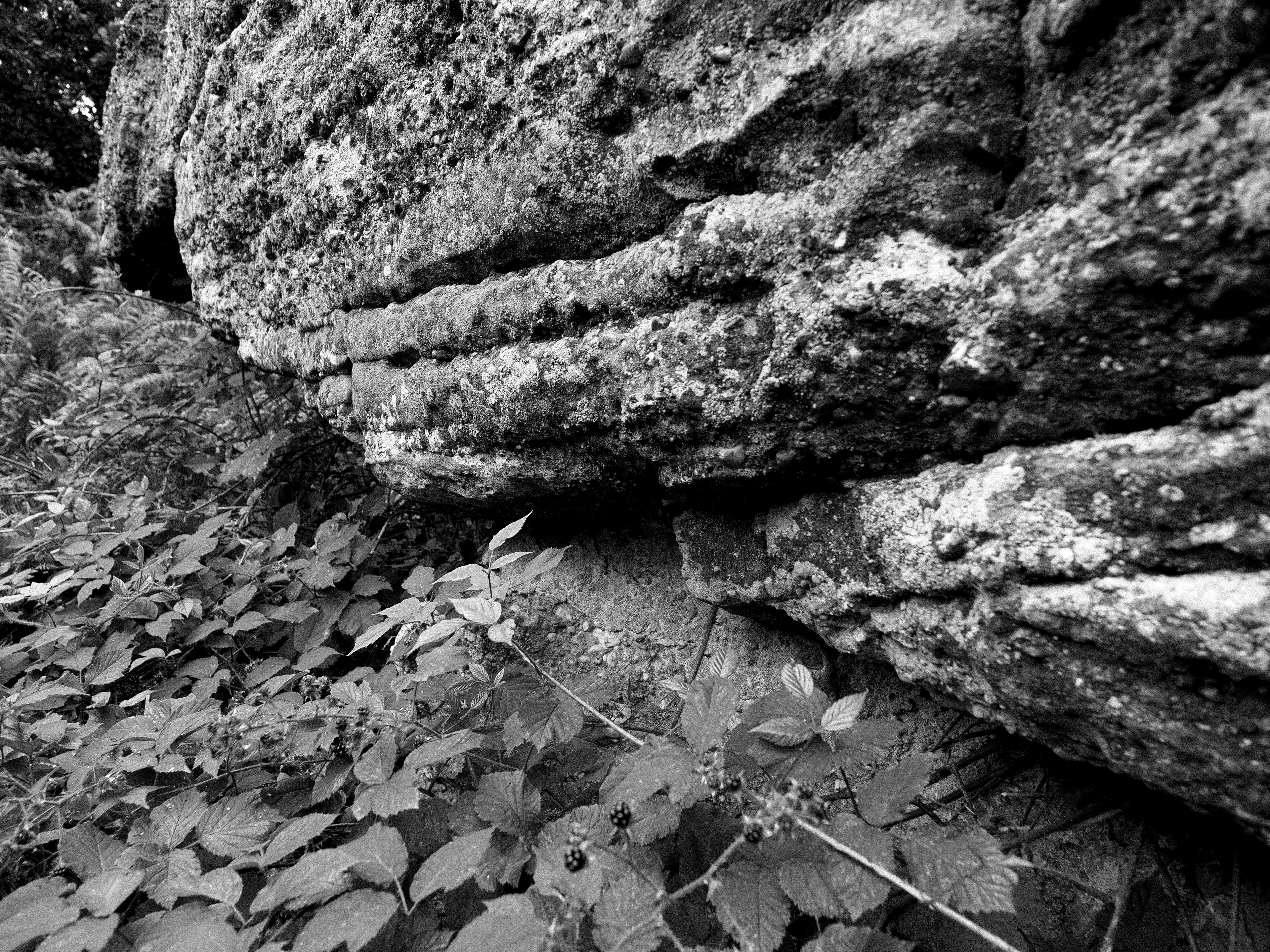
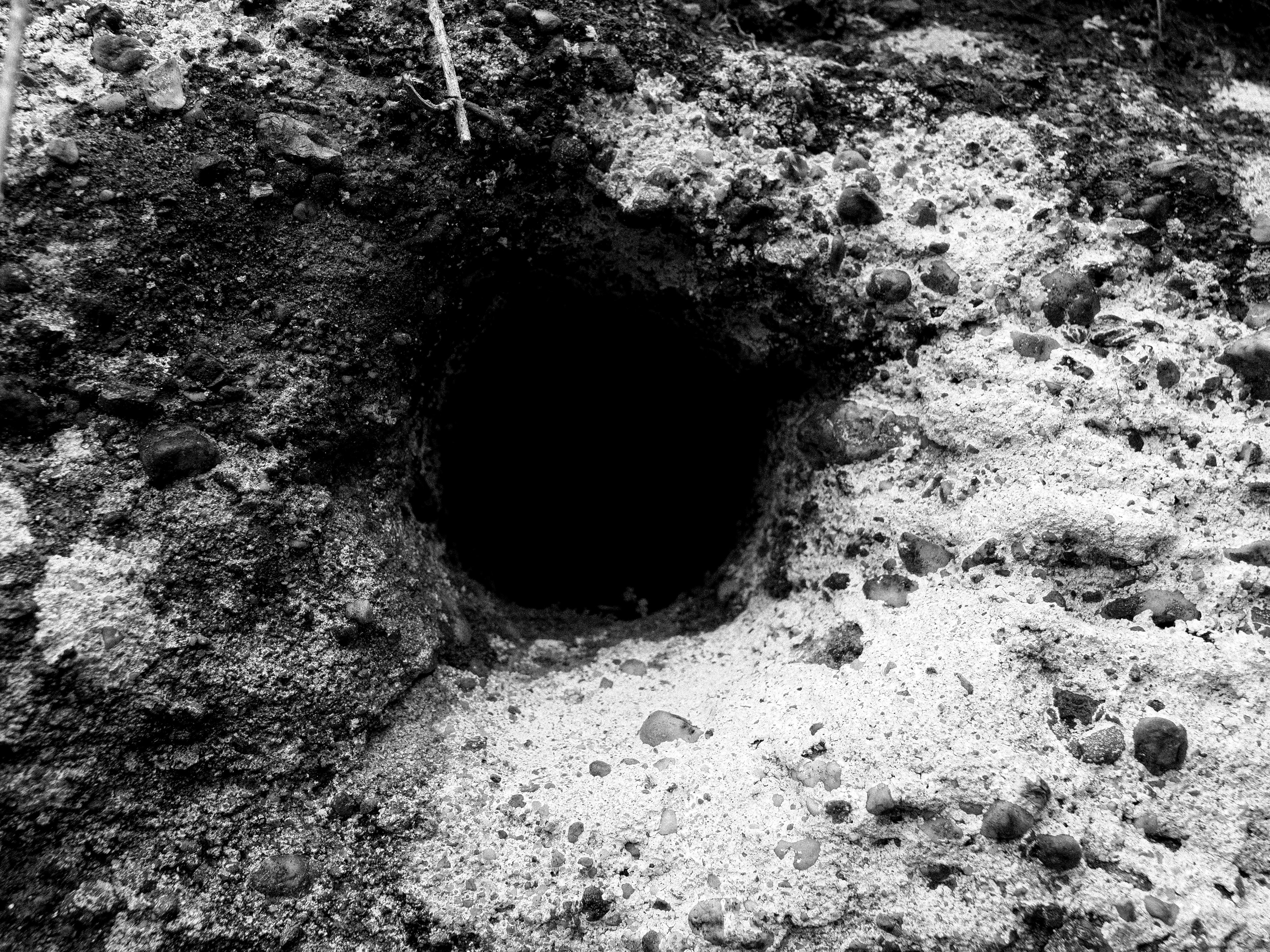
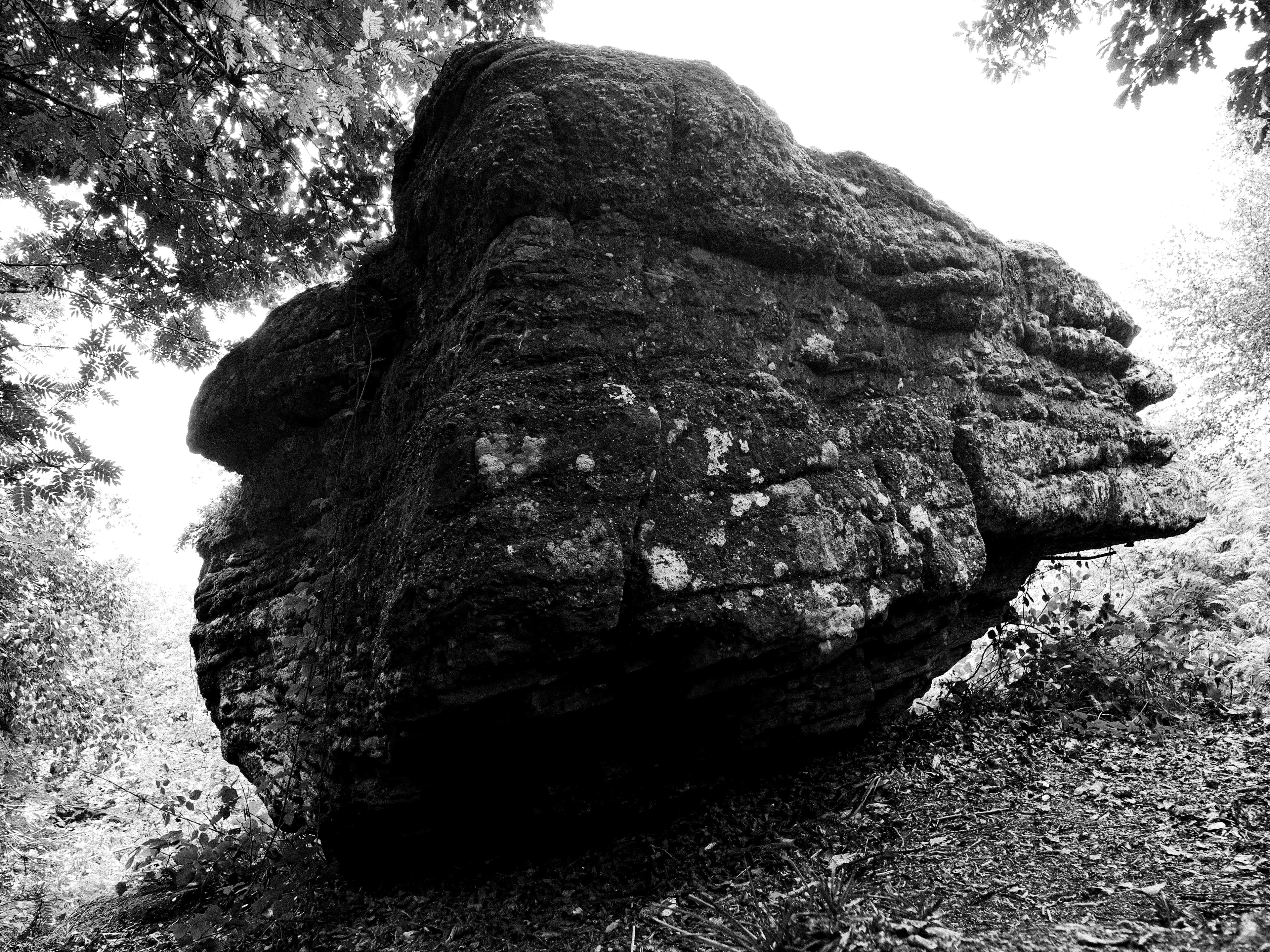
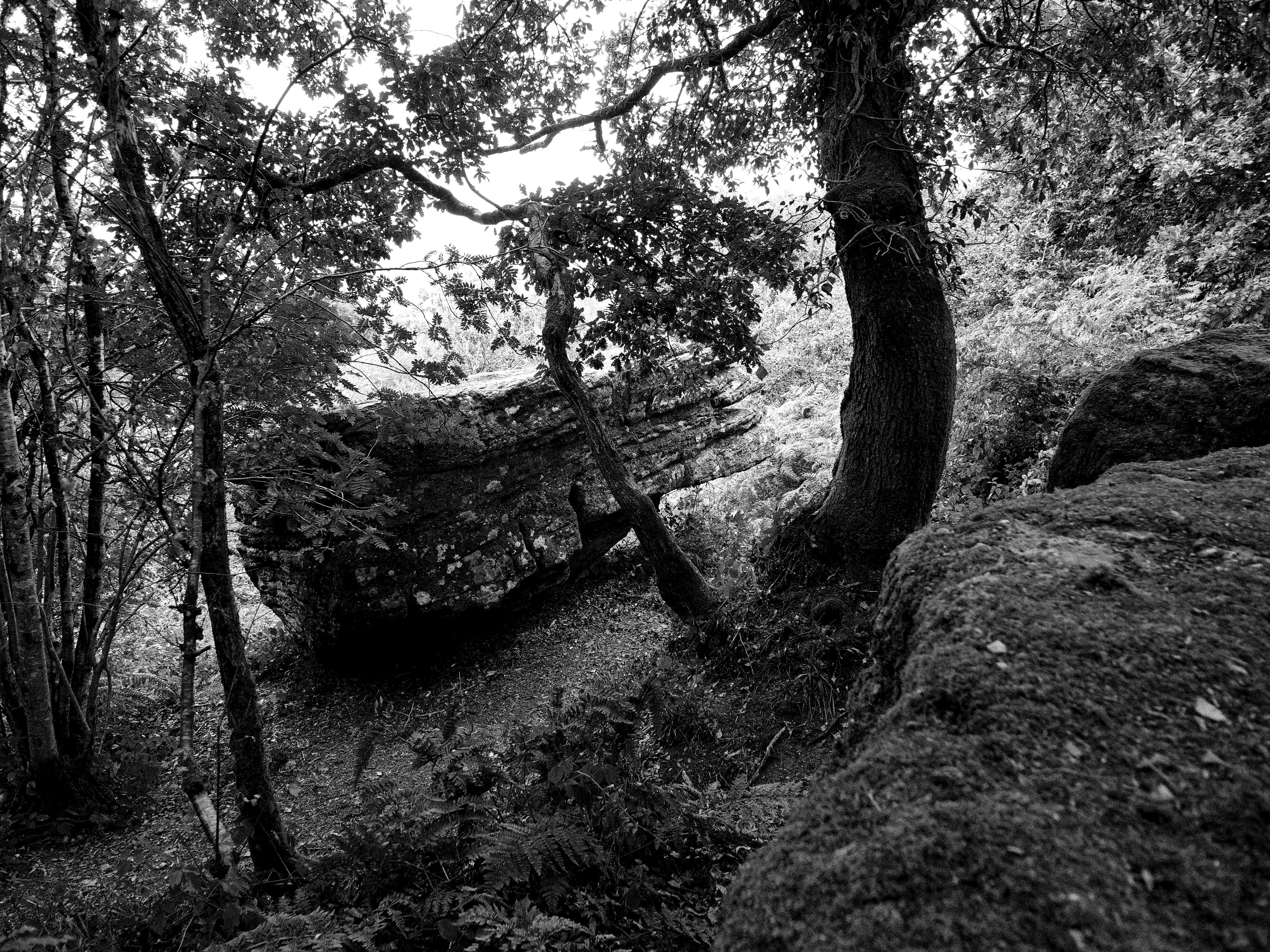
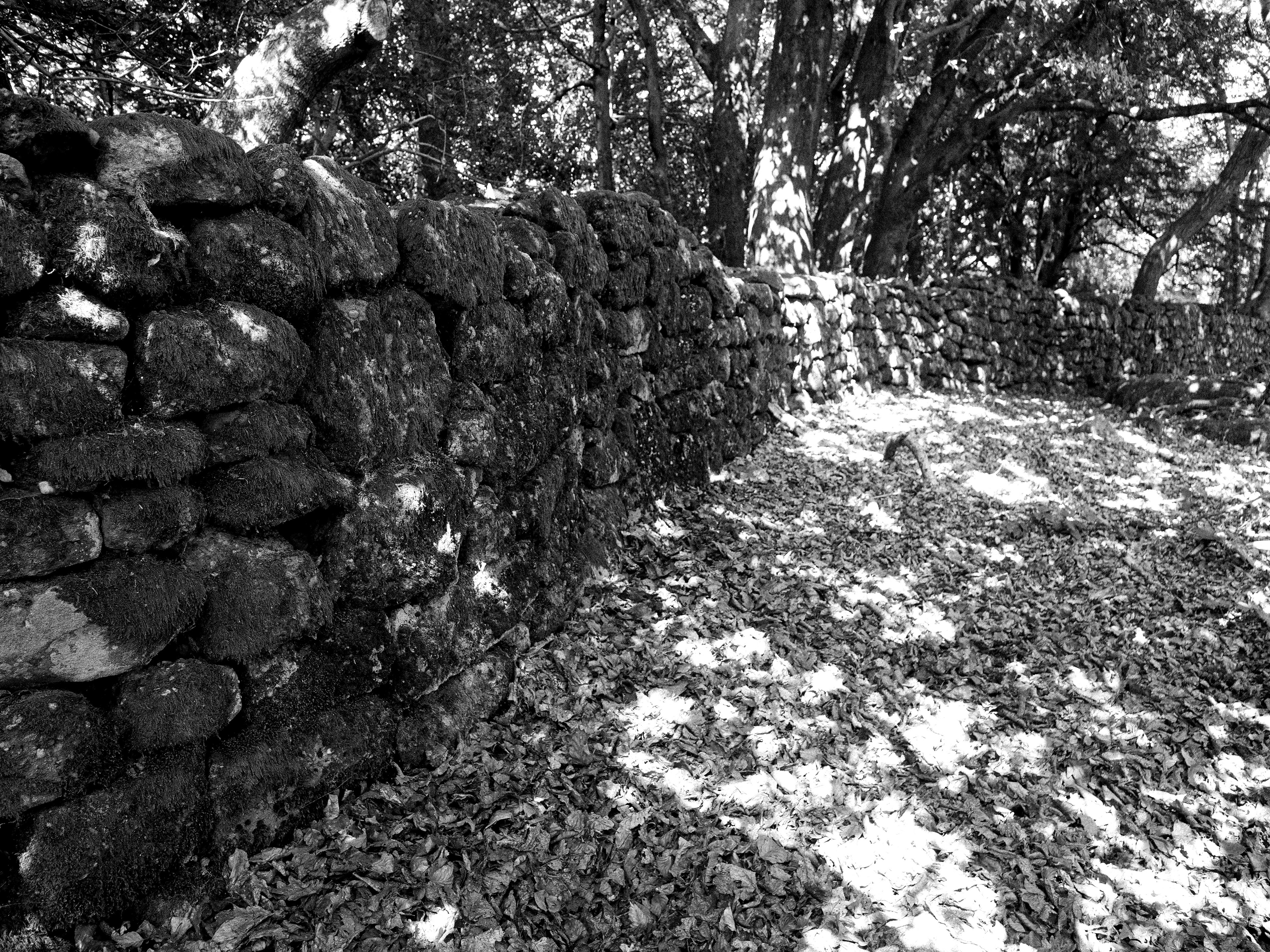
Following a dry-stone wall uphill, I arrived at the second of Staunton’s storied sites: the Buckstone. Much has been written about it — and I speak about it at length in the audio episode — so I will not retell its full history here. Instead, I want to dwell on the smaller encounters along the way: the wall itself, both boundary and guide, stitched from stone that shelters lichen, ferns, and field mice. It leads toward the Buckstone like a slow fossilized path, worn by centuries of passing feet, human and animal alike.
At the summit stands the trig pillar — one of the triangulation points established during Britain’s great mapping projects. These pillars were not merely practical markers; they were imperial instruments of abstraction, translating earth into coordinates, terrain into data. They remain, materially, as monuments to that epistemic shift — from lived landscape to measured ground.
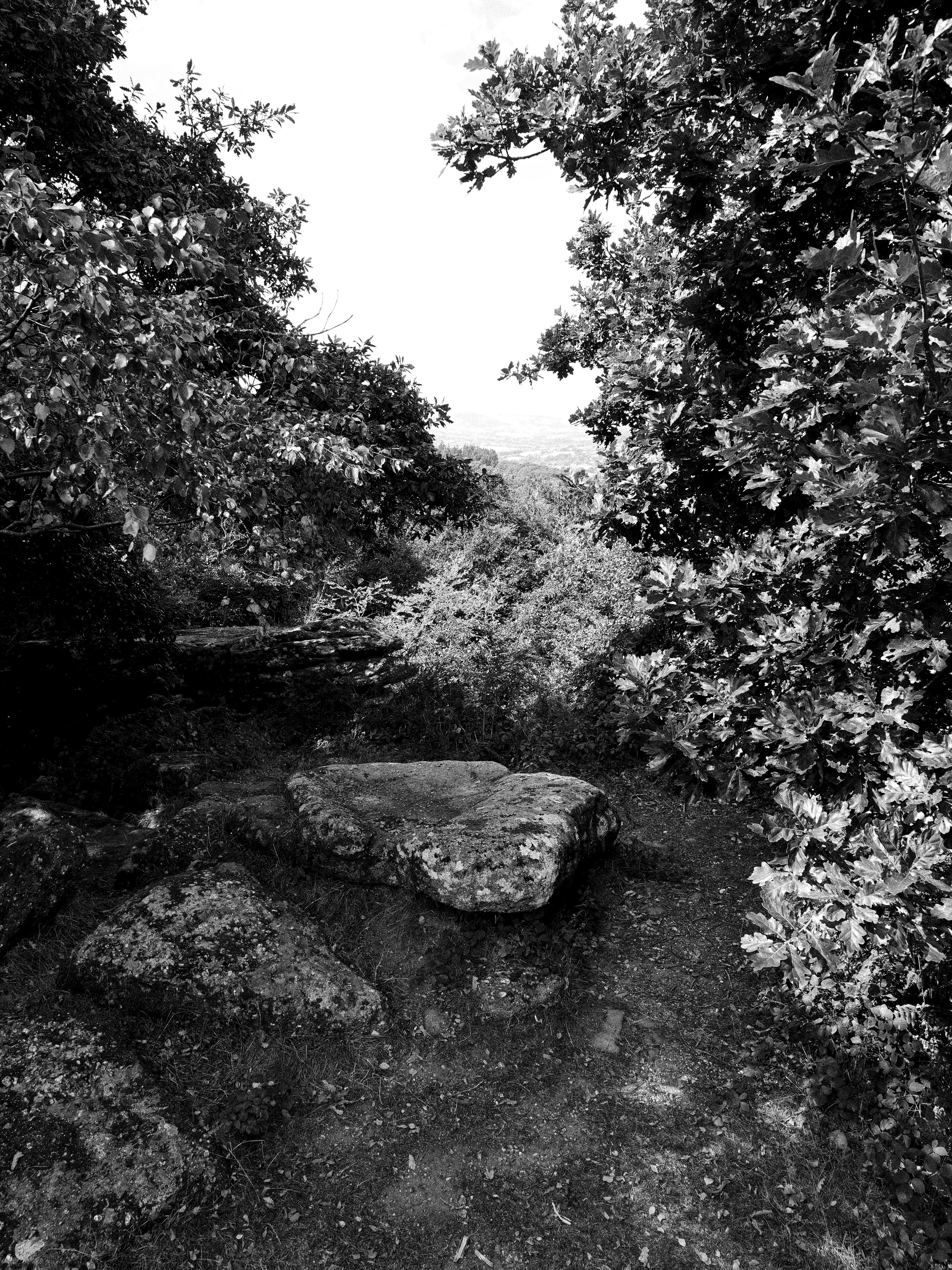
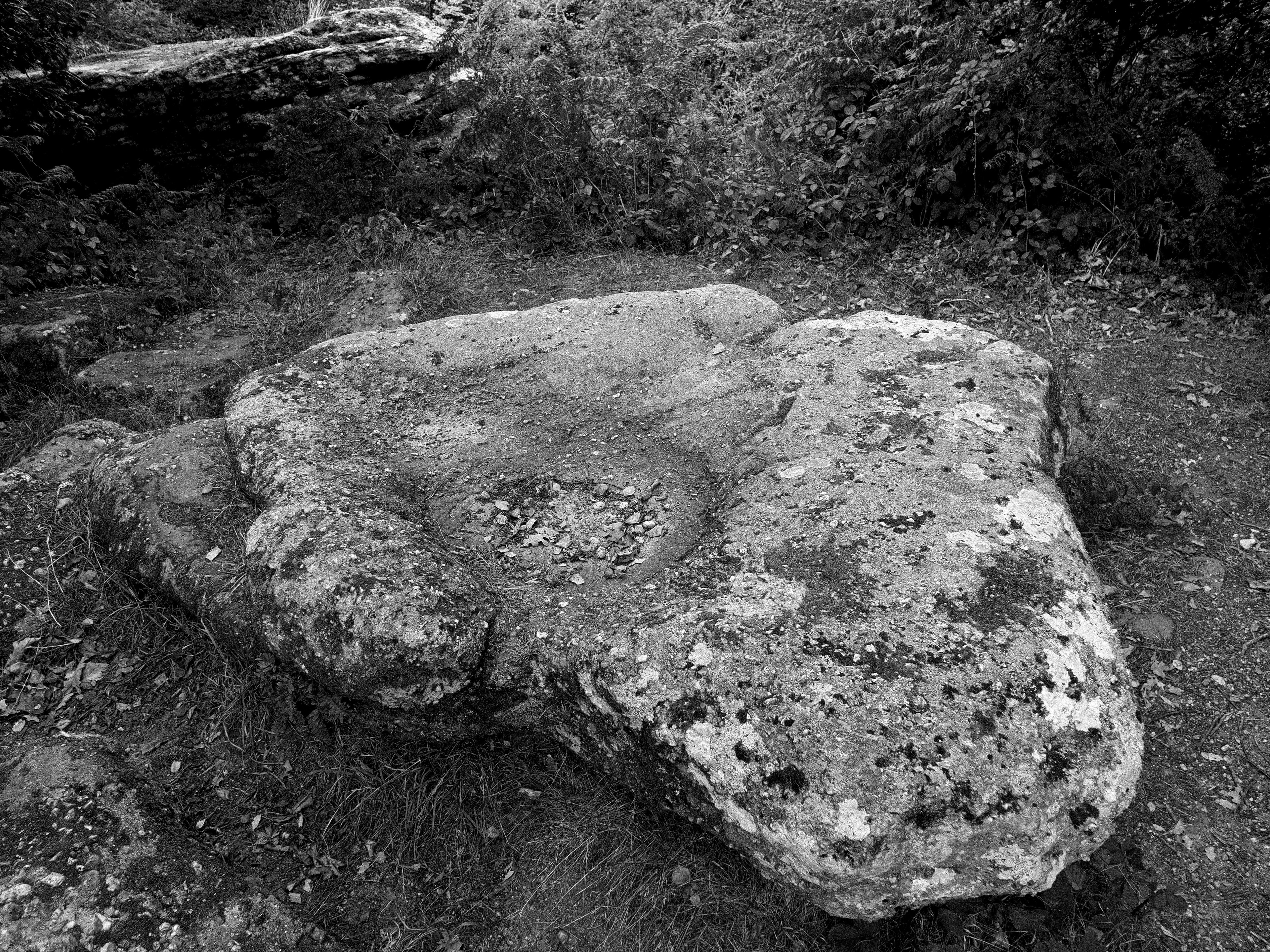
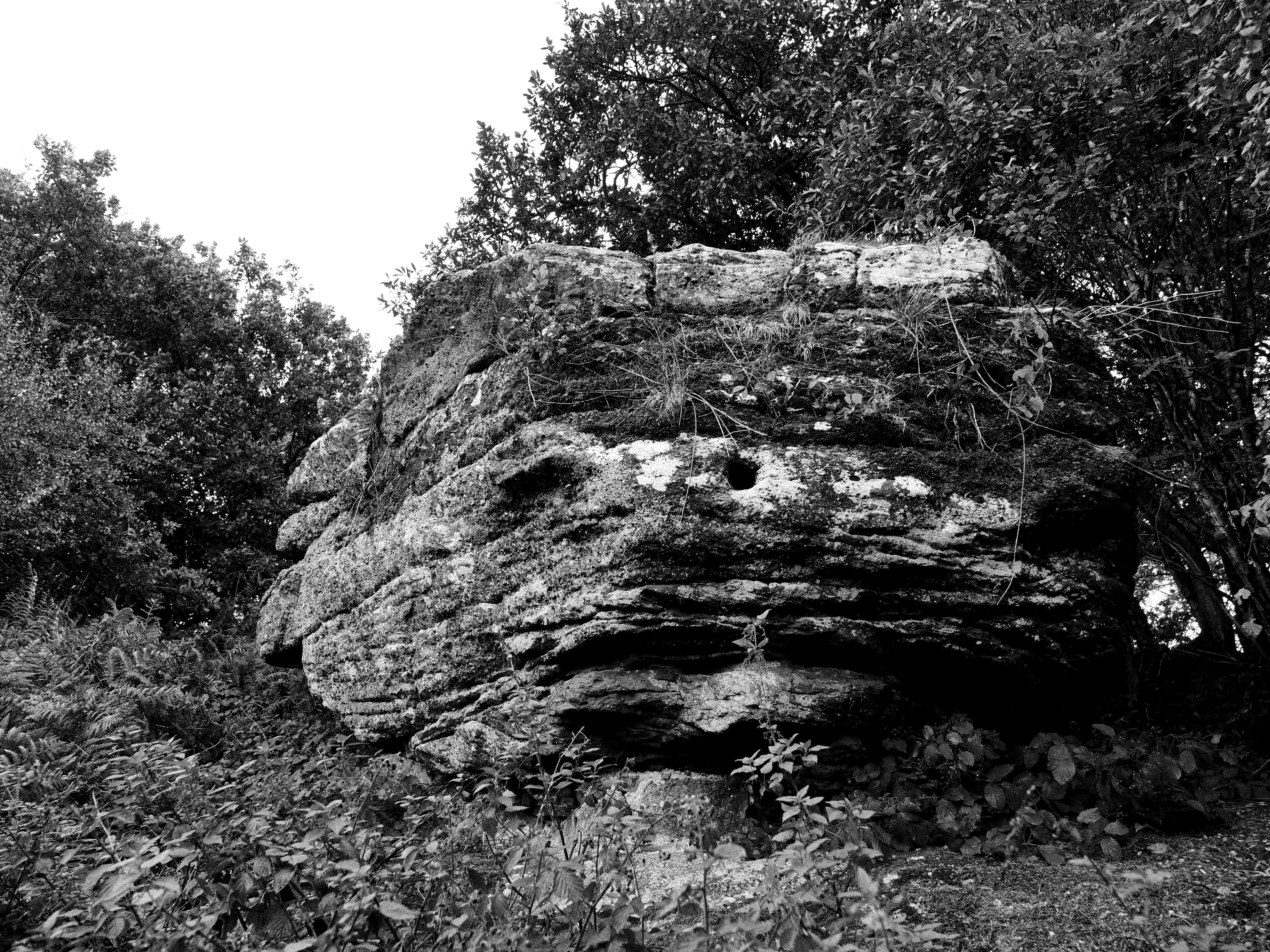
Arriving at the Buckstone, I found myself drawn not to the famous rocking boulder itself but to a smaller, weathered outcrop nearby — the so-called Maidens’ Cup. Local lore holds that young women once gathered dew from its hollow to anoint themselves with beauty. Other stories tell of sacrificial fat, beacon fires, or purifying ointments for priests.
What unsettled me was the strange doubleness of the stone — both natural and somehow worked. Its form seemed to hold intention, yet its shaping belonged to geological time. The stone bore traces of use, though what kind of use could never be known. Feeling its surface and hearing its stories became inseparable acts; the folklore animated the stone, and the stone lent substance to the stories. Knowing it had been called a site of initiation or sacrifice, I could not help imagining how perfectly a neck might rest within that hollow. In that instant, the material, the imagined, and the remembered seemed to converge — the landscape murmuring its own mythology.
From an anthropological lens, folklore here is not mere ornamentation but a form of making. Stories about the Maidens’ Cup orient the gaze — training perception toward certain shapes, textures, and gestures. The stone’s weathered form, in turn, invites speculation, which fuels the next cycle of storytelling. This reciprocal movement — where narrative and perception continually shape one another — reveals folklore as a mode of seeing. As Tim Ingold (2000) writes, stories grow from the ground: they arise through sensory engagement with the world, and once told, they transform how the world is encountered thereafter. The shiver that ran through me — that prickle on the skin — marked the threshold where imagination, material presence, and embodied sensation meet. It was what Michael Taussig (1993) might call the mimetic faculty — that human impulse to be affected by and remake the world through sensory resonance.
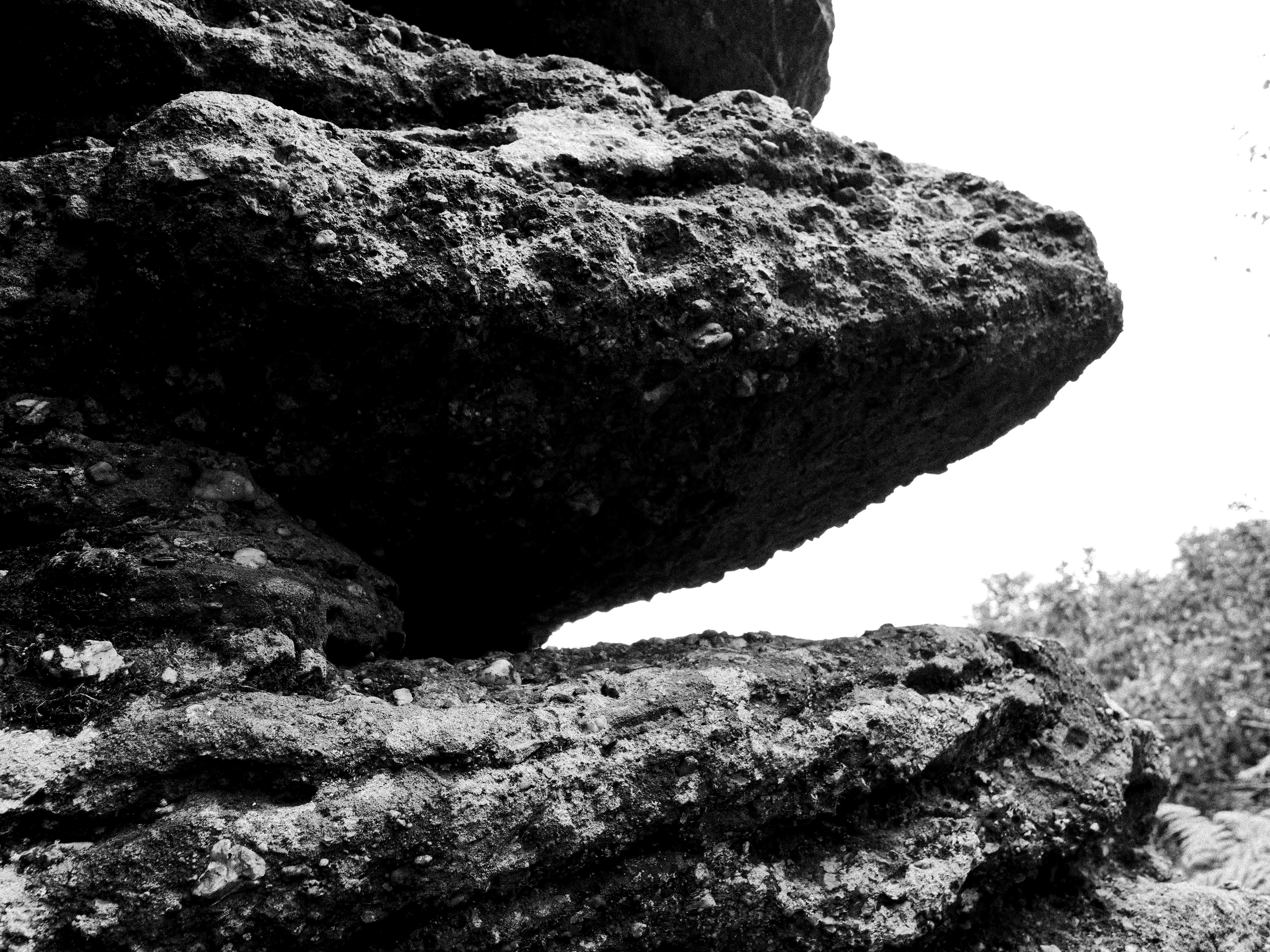
The Buckstone has been well-documented, most notably by Ray Wright in Secret Forest, where he traces both its geological and spiritual histories: its formation through millennia of erosion, its toppling and reconstruction, and its designation as a Clacha Brath — a Judgement Stone. These, said to have been poised by priests or druids, were believed to vibrate or rock only under truth’s weight, serving as oracles in divination rituals. This was a place where matter moved in response to moral force.
Rocking stones like the Buckstone, shaped by weathering and glacial drift, blur the line between the animate and the inert. Their improbable balance — solid yet mobile, accidental yet intentional — generates the perceptual tension that invites myth. They move, and so they seem to mean. In this way, geological instability becomes moral narrative: only the truthful can make the stone sway; the deceitful cause it to fall. Nature becomes a participant in ethics.
If I had more time, I would have loved to explore the lore of the Near and Far Harkening Rocks — said to echo vibrations from the Buckstone, allowing messages to travel across the valley, perhaps even warnings of poachers or invading troops. The keepers of the King’s game were said to wait there, listening. I can imagine tracing these resonant stones through audio — perhaps in another life.
As for the Buckstone’s name: one tale tells of a buck pursued by hunters, who escaped them by leaping upon the stone. Another source is W. H. Greene’s 1885 poem The Buckstone, which I included as a full seven-minute reading in the episode. In it, the stone is both ominous and sacred — feared by villagers, revered by druids. Hunters, mothers, and travellers avoid its shadow, while rituals unfold upon its surface. Greene’s poem places the Buckstone in an imagined Celtic past, entwined with the Roman conquest and resistance in the Wye Valley. It becomes a stage for sacrifice and salvation — a site where gods intervene and where history and myth blur into one another.
While collecting stories for the project, I received a message from Melanie Benn, who described strong physiological sensations — a headache that she linked to the Buckstone’s lore. Unable to record outside due to wind (the sound recordist’s greatest foe), we met instead in St Mary the Virgin Church. Churches make ideal recording spaces: acoustically resonant, sheltered, and free. Yet recording folklore in a church — itself a monument of stone — felt apt. There, among the gravestones and pews, stories of one stone gathered within another.
The Mines
This section was the one I approached with the most apprehension. Partly because so much has already been written about mining history — though not often about its folklore — but also because of how central this history is to the Forest. I wanted to do it justice, and I’m still nervous that my representation might fall short, that I might romanticise or sensationalise in the process.
In many ways, this episode became a mirror for what it means to do anthropology: to carry the weight of wanting those you represent to feel seen and respected, and to face the nerve-racking task of showing them your interpretation of their world. It also felt like the most personally significant chapter for me — a reflection of my own year of living, learning, and re-rooting in this place. I began to understand more deeply what it means to be “a Forester,” and through that, I found my own sense of belonging. Before this year, I wasn’t sure where I fit. But through the process of making this episode — especially its theme of defending origins — I realised that this is where I am from.
All that said, I still feel I only scratched the surface and mining folklore in the Forest of Dean could make up an entire project.
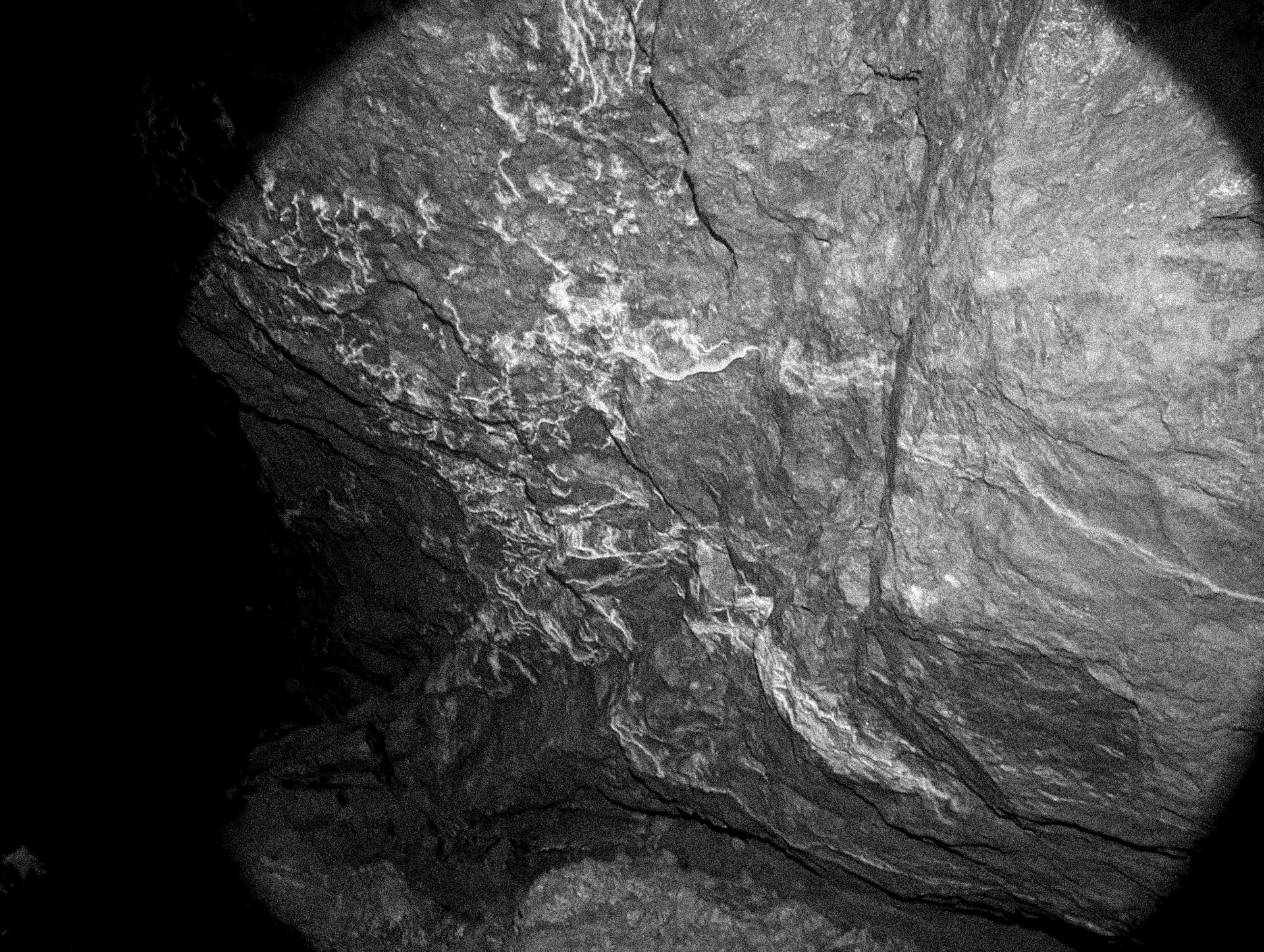
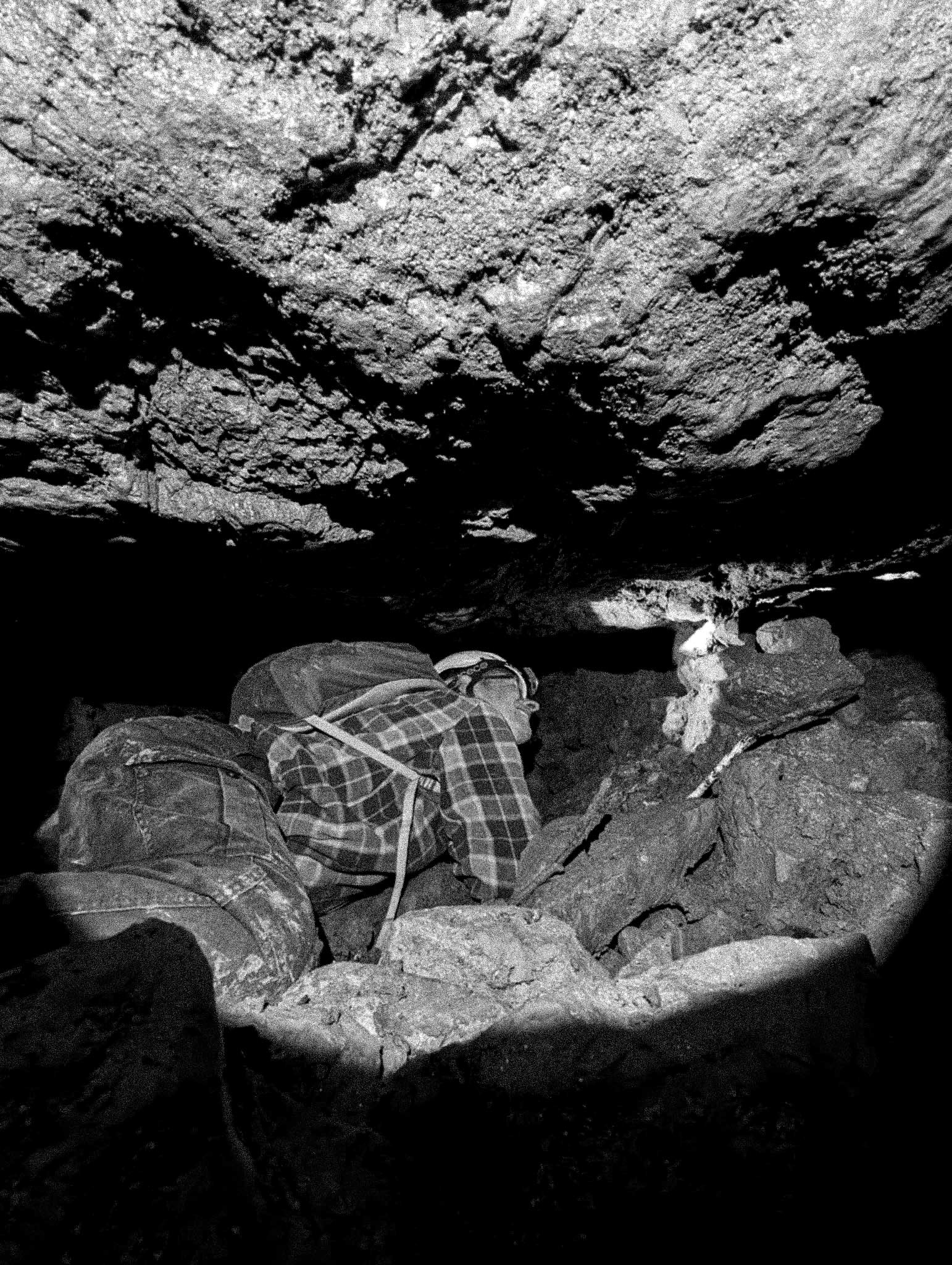
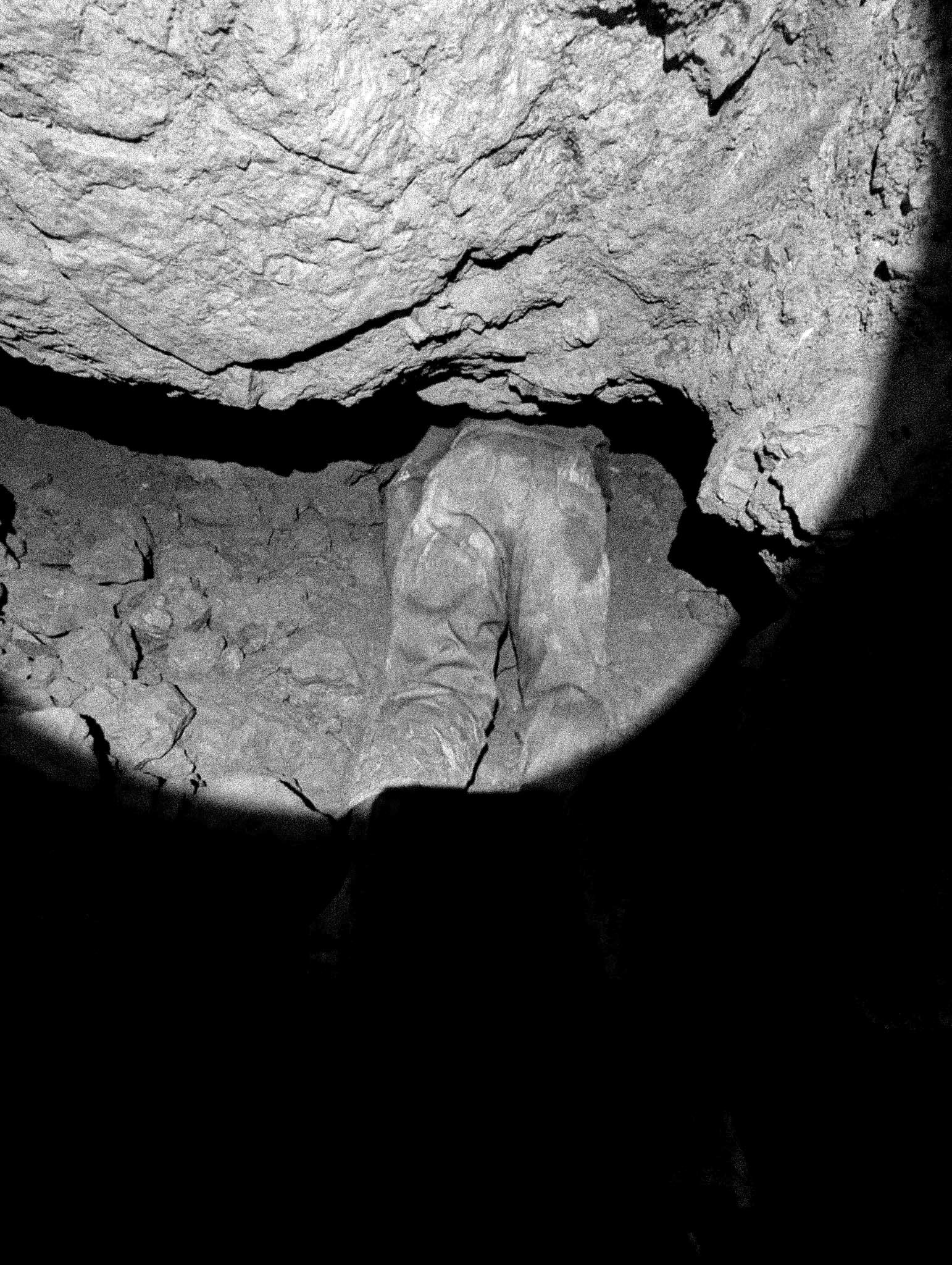
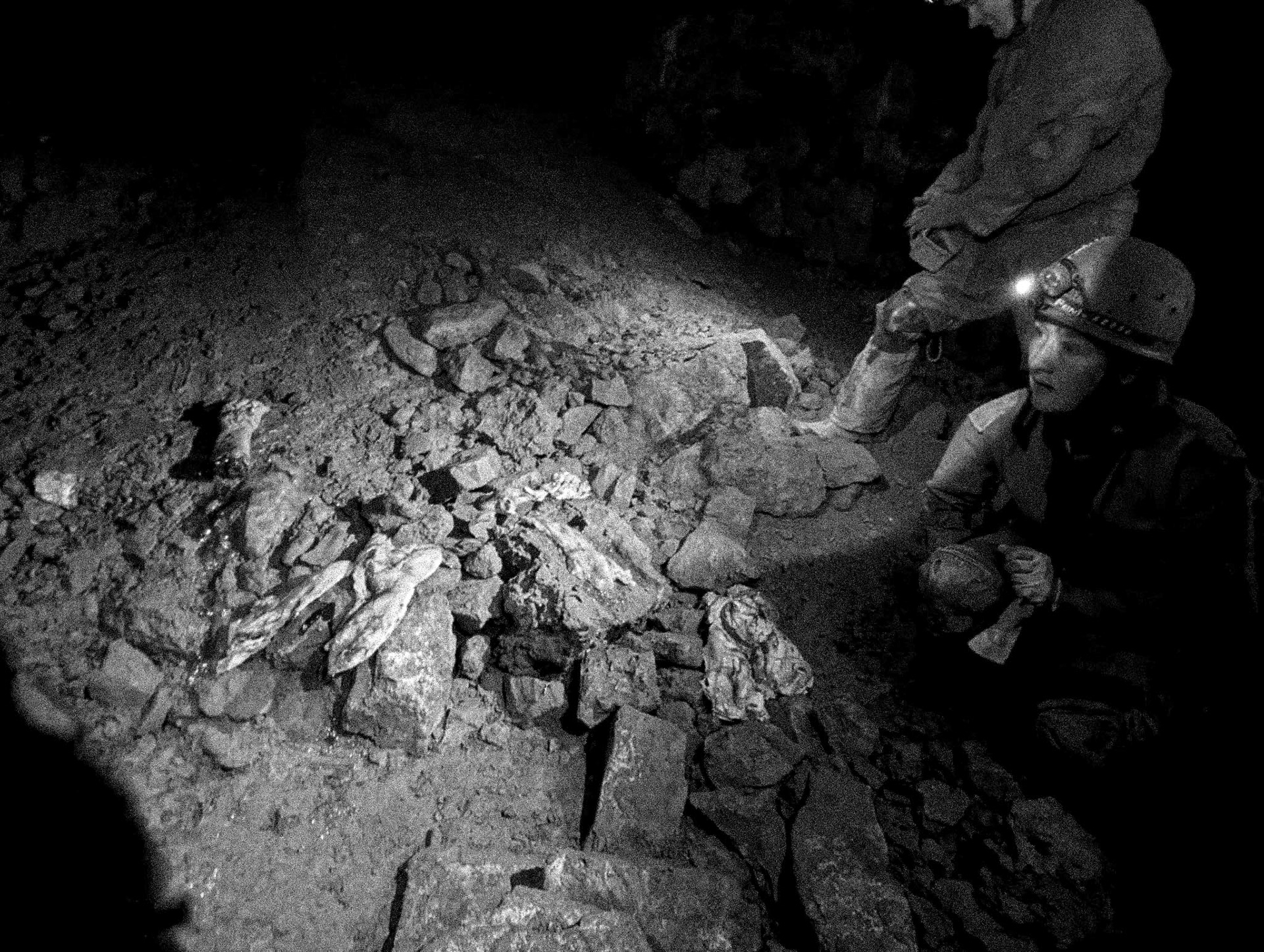
The section on Warren James grew out of attending Warren James Day, organised by Jason Griffiths over the summer — a celebration of the local legend and his fight for common rights. Listening to the stories that day, I was struck by how memory, labour, and landscape remain inseparable here — not as nostalgia, but as an active form of inheritance and resistance.
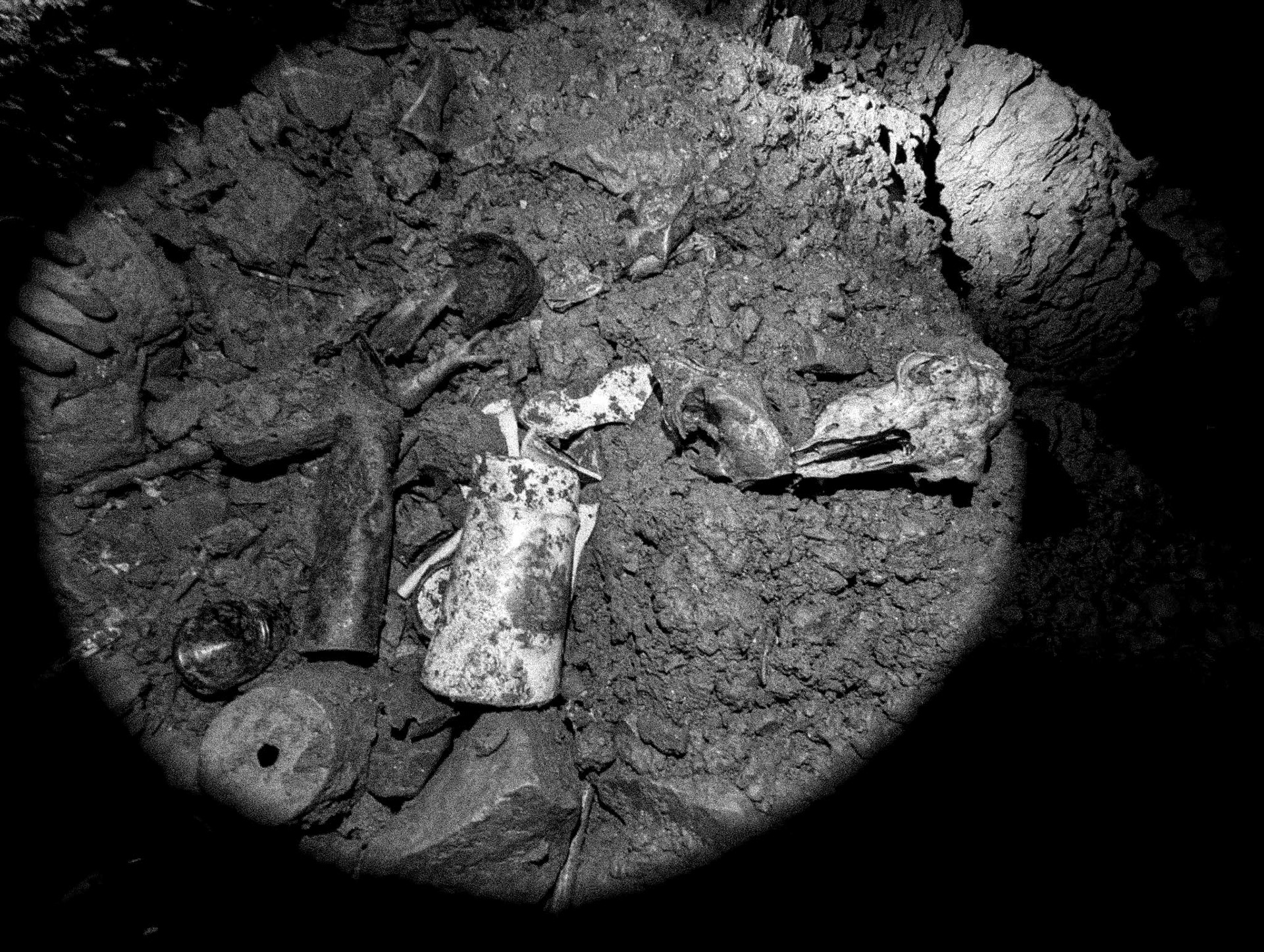
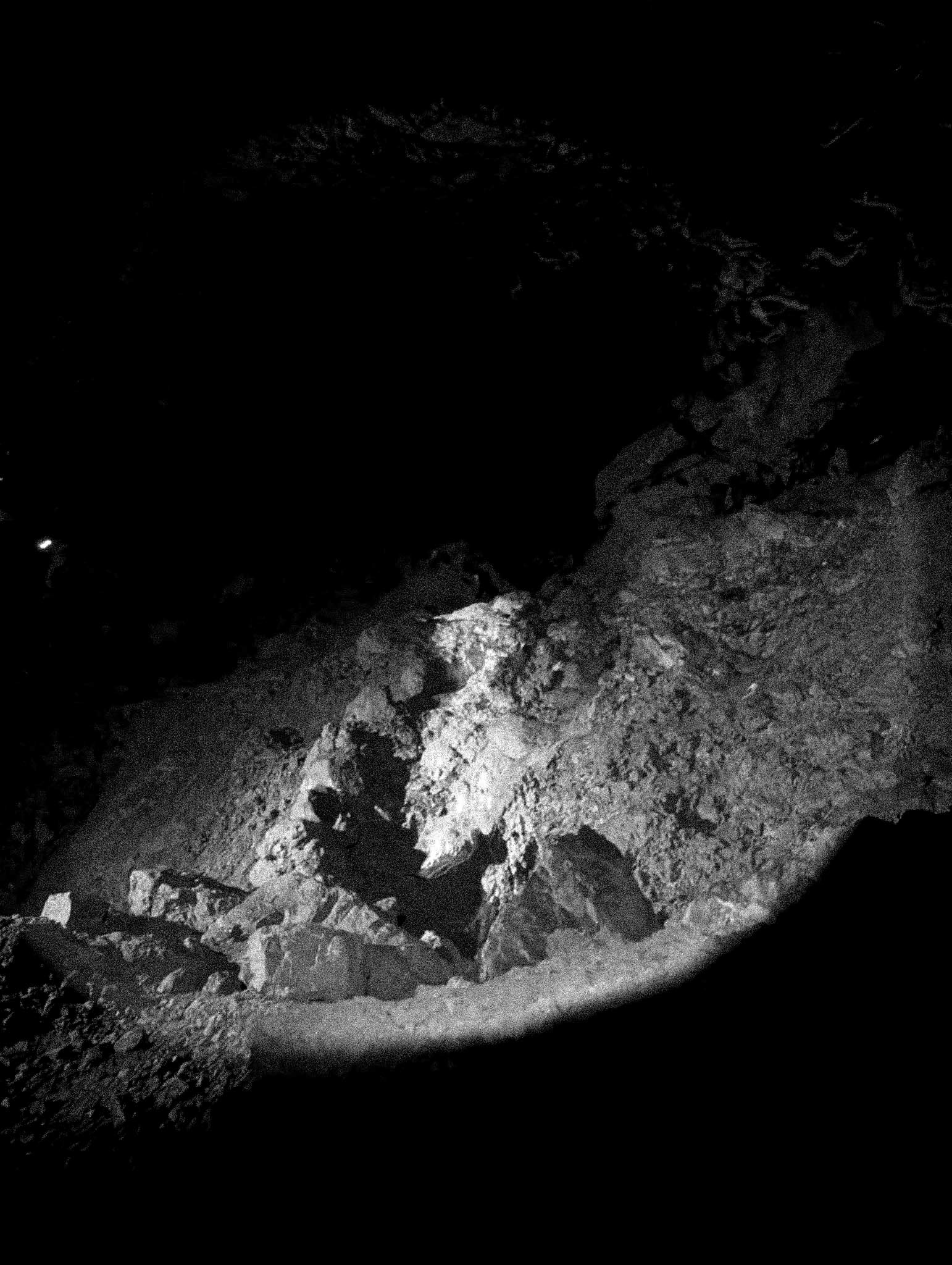
I also loved creating the soundscape from my trip with the Royal Forest of Dean Caving Club. Introducing the recorder into that space felt slightly awkward at first — caving was becoming a hobby, and the microphone always shifts the energy of a moment. Yet being underground was also where I found myself thinking most clearly about stone: about how exploration happens partly by intention and partly by what the stone itself reveals. Each tunnel and passage seemed to shape curiosity — a tangible example of how memory and history are co-produced through encounter. In anthropological terms, it felt like witnessing the making of place through embodied engagement — how people and materials continually shape one another’s trajectories.
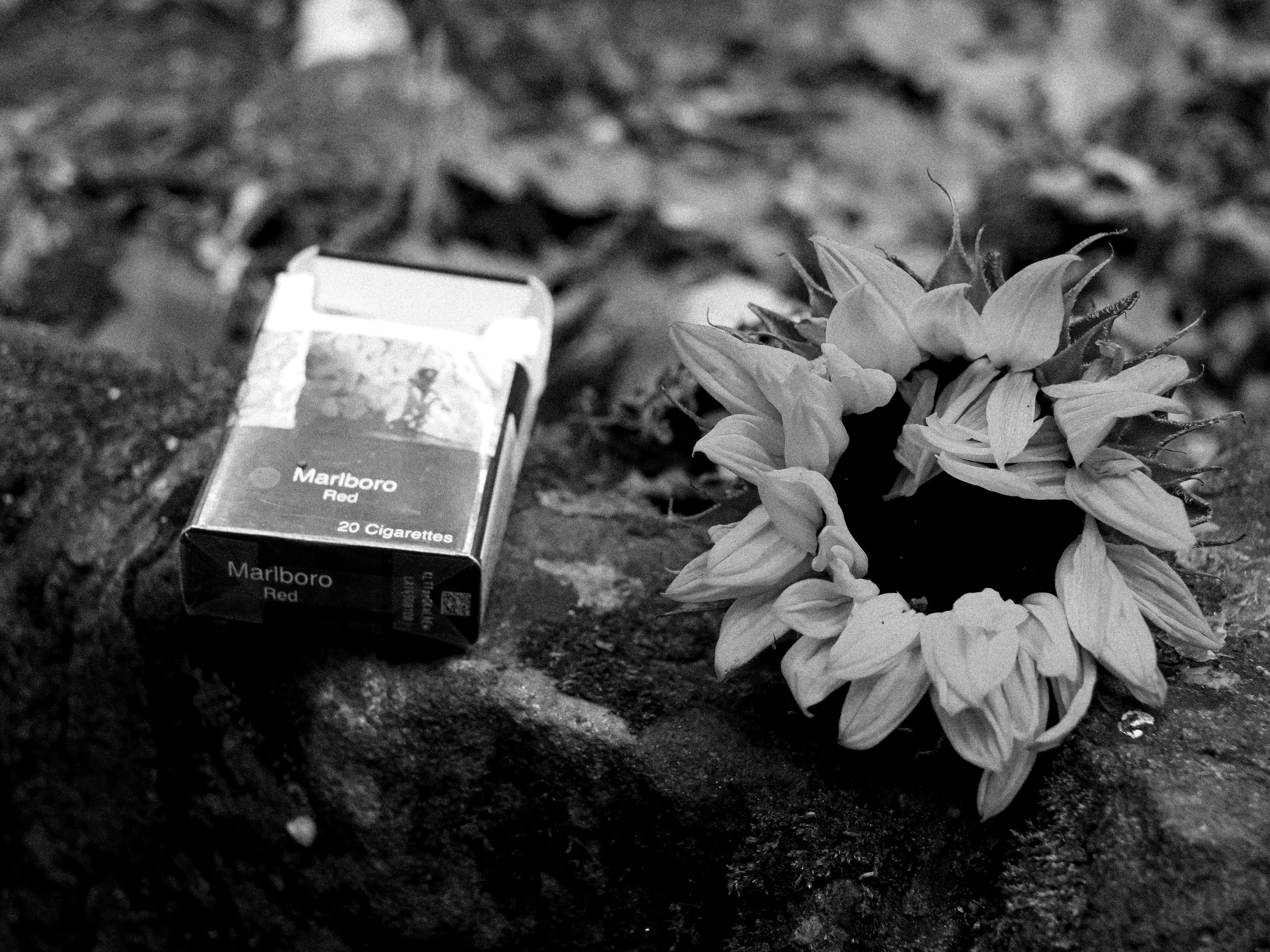
On one trip, we came across a bouquet of fresh sunflowers placed deep in the mine, resting on a rock. It was uncanny — a gesture of tenderness it seemed odd to leave them bright yellow in the dark. Another time, we stumbled upon a film crew mid-shoot: fake blood, a severed hand, and a woman being “rescued” from the depths by two men.
As I was often reminded, the caves are something to fear. They hold agency over life — claiming it without notice. Talking with miners about those who never resurfaced brought a sobering respect for the stone: its danger inseparable from its gift. The risk was born from dependency.
Walking back to the car after one trip, Owen told me about an experience he’d had in a nearby cave, where the pick marks on the wall appeared freshly carved. The audio from that conversation was lost — my recorder was rubbing against my waterproofs — but the story lingered. The freshness of the marks, the sense of the past pressing against the present, felt like a kind of haunting. It reminded me that folklore needn’t always feel fantastical — sometimes it’s simply the texture of living history brushing against you.
The episode closes with Jason Griffiths reading The Mon in White by Harry Beddington — offering a glimpse of the Forest’s humour and wit, the kind that keeps history alive not through solemnity but through laughter in good Forest fashion.
Lore of Stone Credits
Written, recorded, and produced by Xena White
Original music composed by Gabriel Cowan
Additional music: The Long Dark by Scott Buckley — released under a Creative Commons licence (CC–BY 4.0)
Original music composed by Gabriel Cowan
Additional music: The Long Dark by Scott Buckley — released under a Creative Commons licence (CC–BY 4.0)
Poetry and Songs
A Land Between Two Rivers — written by Dick Brice, performed by Janice Lightly
Jack O’ Kent — written by Claire Smart, performed by The Rum Collective, our tipple of choice
The Devil’s Chapel — by F. W. Harvey, read by Jason Griffiths, courtesy of Elaine Jackson and the Estate of F. W. Harvey
The Mon in White — by Harry Beddington, read by Jason Griffiths, courtesy of the Harry Beddington Estate
Poets and Readings
Aimee Bee — The Longstone
Celia Harper — Rock
Jane Spray — The Devil’s Chapel
Voice Performances
Margaret Cowan — reading Mary Jenkins’ poem The Longstone, and The Legend of the Buckstone by W. H. Greene
Malk Williams — as the Devil and Jack O’ Kent
Fawn Fae — as a historic villager
With thanks to Melanie Benn, Steve Nott, and Tony Furmage for their stories
Additional sound effects from the BBC Sound Effects Archive
THE LORE OF WATER
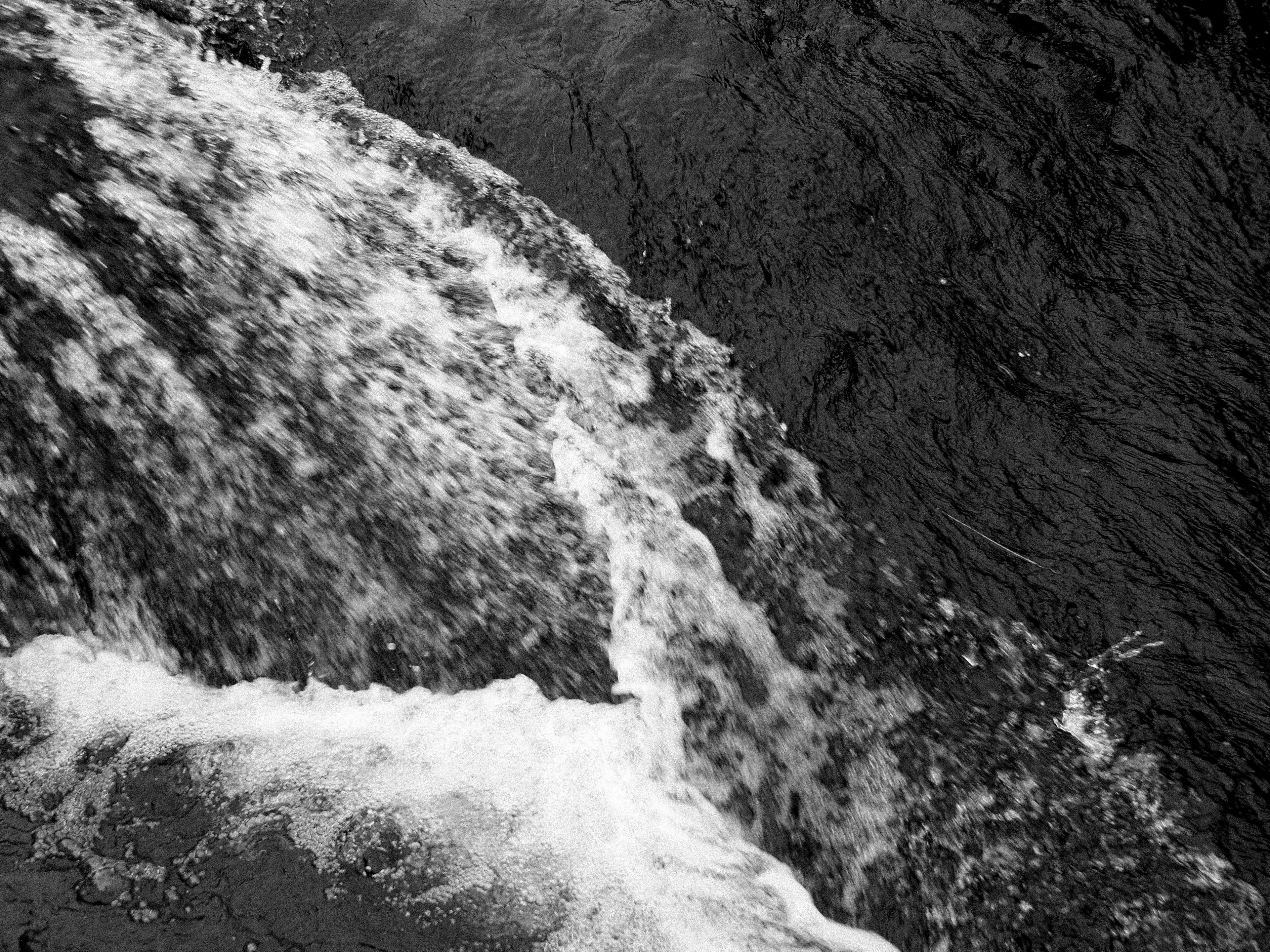
The Source of the Wye and the Severn
- Pumlumon
The Forest of Dean is defined by the meeting of culture and geography, its identity shaped by the two rivers that enclose it — the Wye and the Severn. Rivers are essential to life, and it’s unsurprising that their sources in folklore are so often steeped in lore.
I first heard the legend explaining the Wye and Severn’s respective courses in Roy Palmer’s Folklore of Gloucestershire, and was deeply moved by it — by the way it captured the character of the rivers themselves. In Palmer’s telling, it is the tears of Pumlumon that make their way down the valleys, carving out the rivers’ paths. The story imagines the landscape as shaped by feeling — the tears of Pumlumon giving rise to the rivers themselves. This intertwining of emotion and environment feels strikingly contemporary, especially when thinking about the polluted Wye and the emotional responses it elicits. Human relations with rivers are still deeply affective: they carry grief, frustration, and care, revealing how environmental degradation and emotional life remain entangled.
Fiona Collins, who tells the legend as she learned it, offers a slightly different version of its ending. Fiona is part of Chwedl, a network of storytellers in Wales. I met her in Abergavenny — a midpoint on her journey home to North Wales — and was particularly eager to have her involved because she tells the story bilingually. This felt especially fitting, given the rivers’ origins in Wales and their continued conversation across borders. Fiona moved fluidly between Welsh and English in her retelling; Welsh often carrying a sentiment, rhythm, or cosmological nuance that could not be quite translated. We spoke about the association between water and femininity, and I learnt that this practice is reflected in the grammatical structure of the Welsh language, where the noun afon (river) is feminine. This linguistic gendering perhaps connects to older Celtic traditions in which rivers were worshipped as female deities, suggesting a continuity between language, landscape, and cosmology.
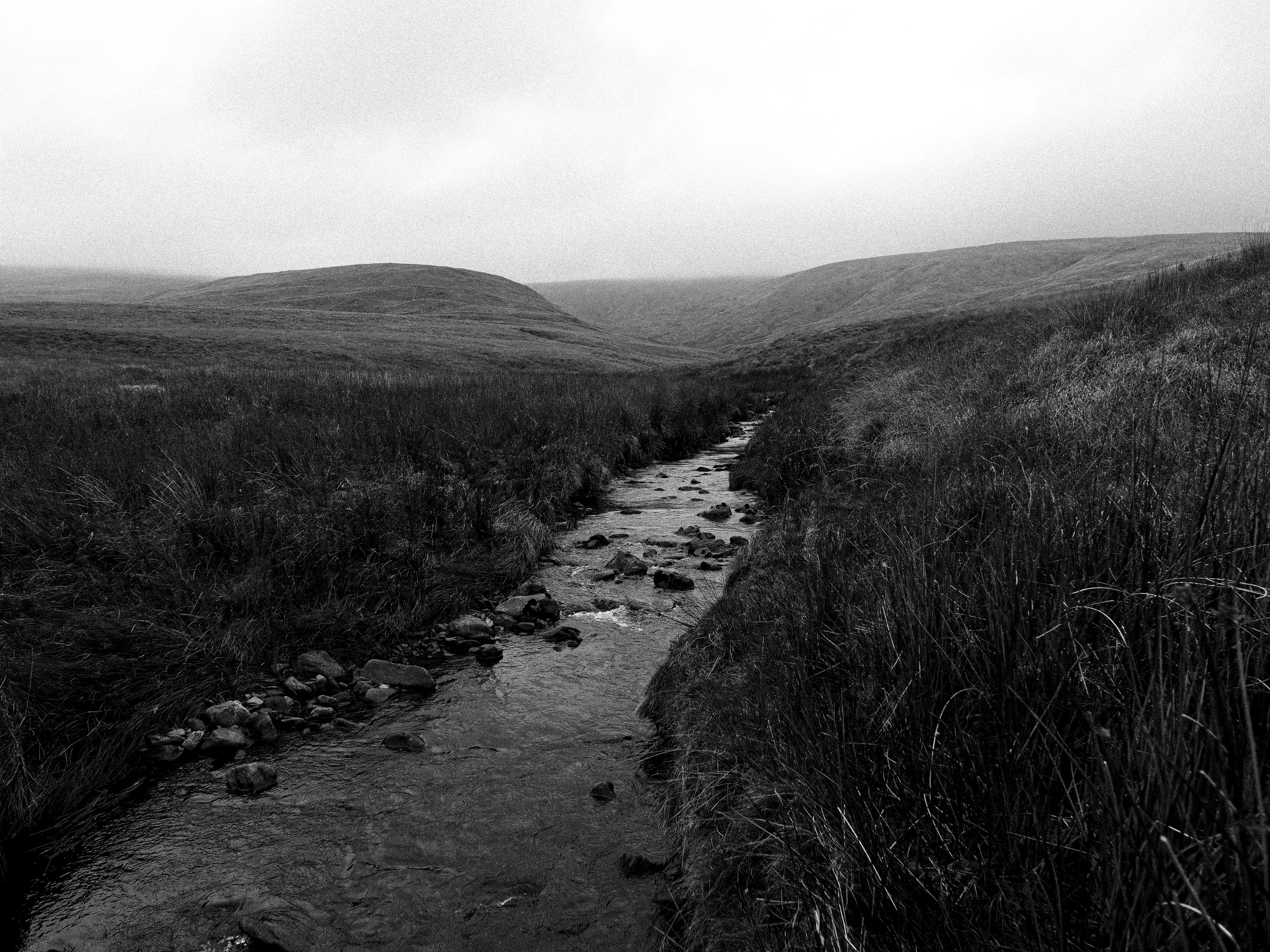
After we went our separate ways, I headed up to Pumlumon to find the source myself — a journey I had wanted to make for years, one that had taken on the air of pilgrimage. I knew that many before me had made this same journey as part of the River Wye campaign, and I suppose I had imagined it as a reflective, even poetic walk — something between fieldwork and my own devotion. In my naivety, I assumed there would be a clear path along the river’s edge, as there so often is — a human infrastructure shadowing the water’s course. Instead, I found myself battling boggy hummocks and hollows, the uneven ground forcing an awkward dance of constant readjustment. Within the first hour, while leaping from bank to bank in search of firmer footing, I slipped — spectacularly — on a rock slicker than any comedic banana skin, landing squarely on my back, camera kit and recorder in tow.
I scrambled out, wiped down the equipment as best I could, and trudged on for the remaining three hours, soaked and sulking but also strangely amused. The river, I thought, wanted a piece of me — a small offering in return for all I had taken in recordings, photographs, and stories. It reminded me of an earlier weekend camping beside the Wye, when I had felt its pull so intensely that I rose at dawn to submerge myself in its cold surface, as though to equalise our exchange.
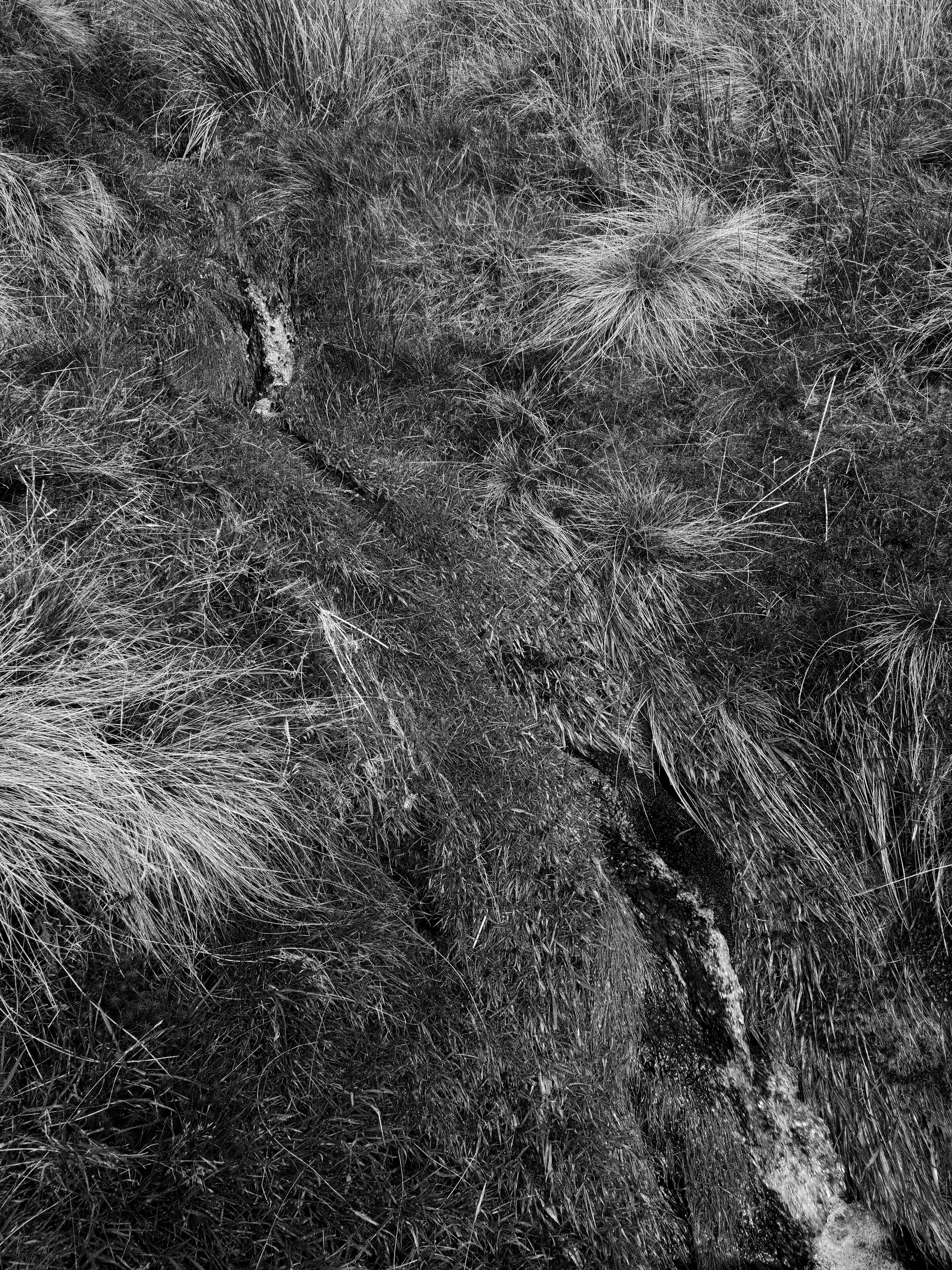
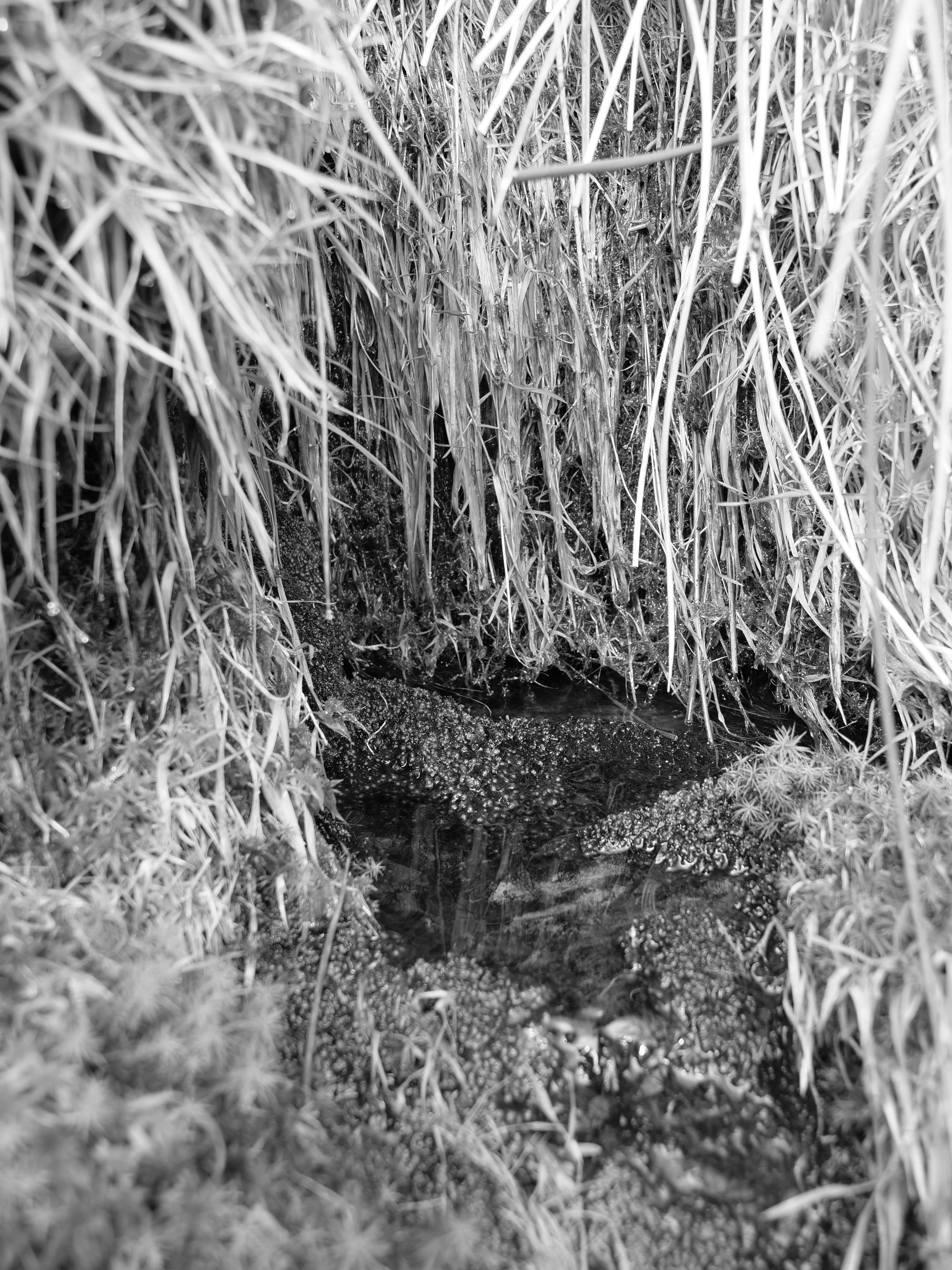
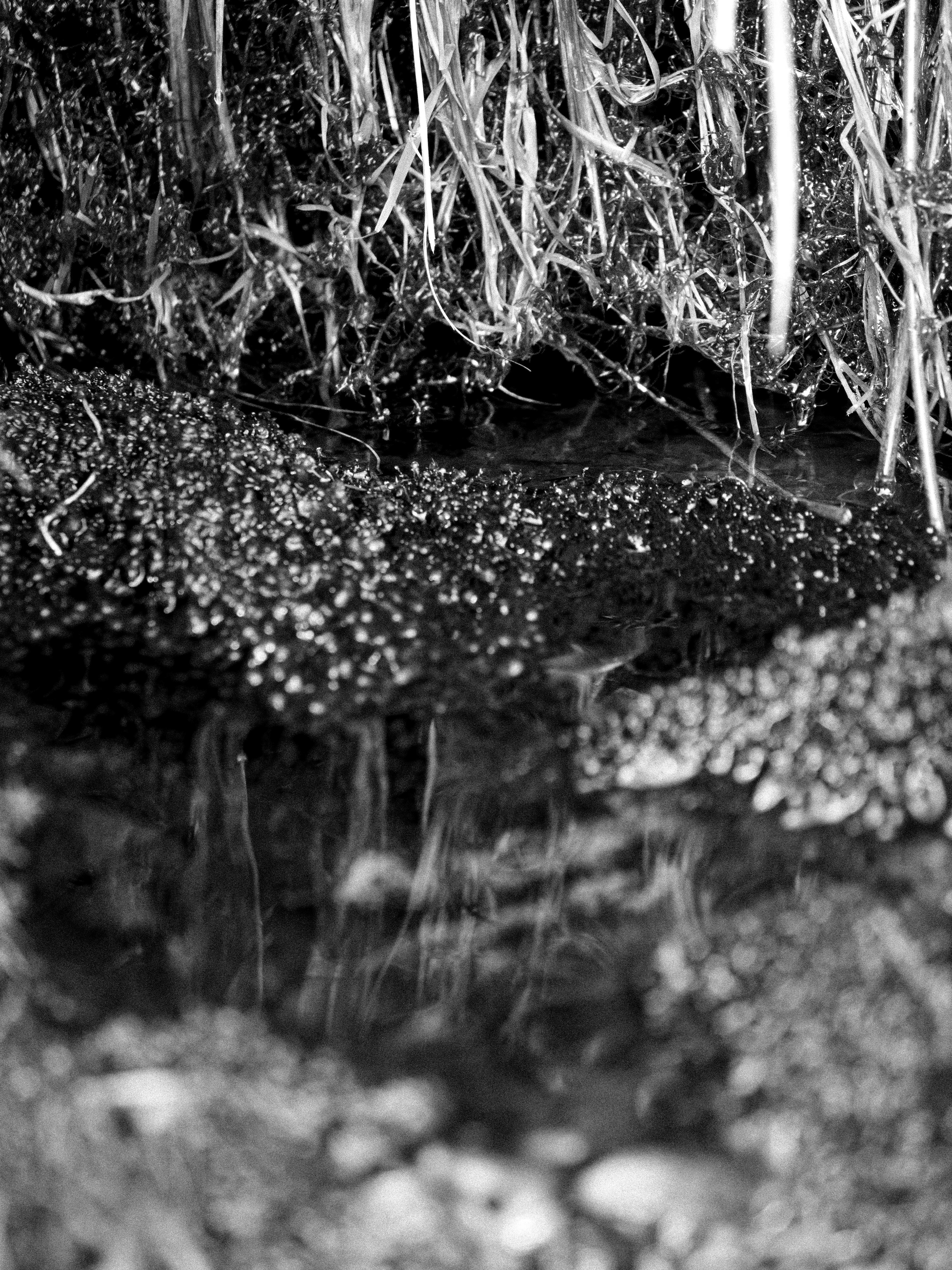
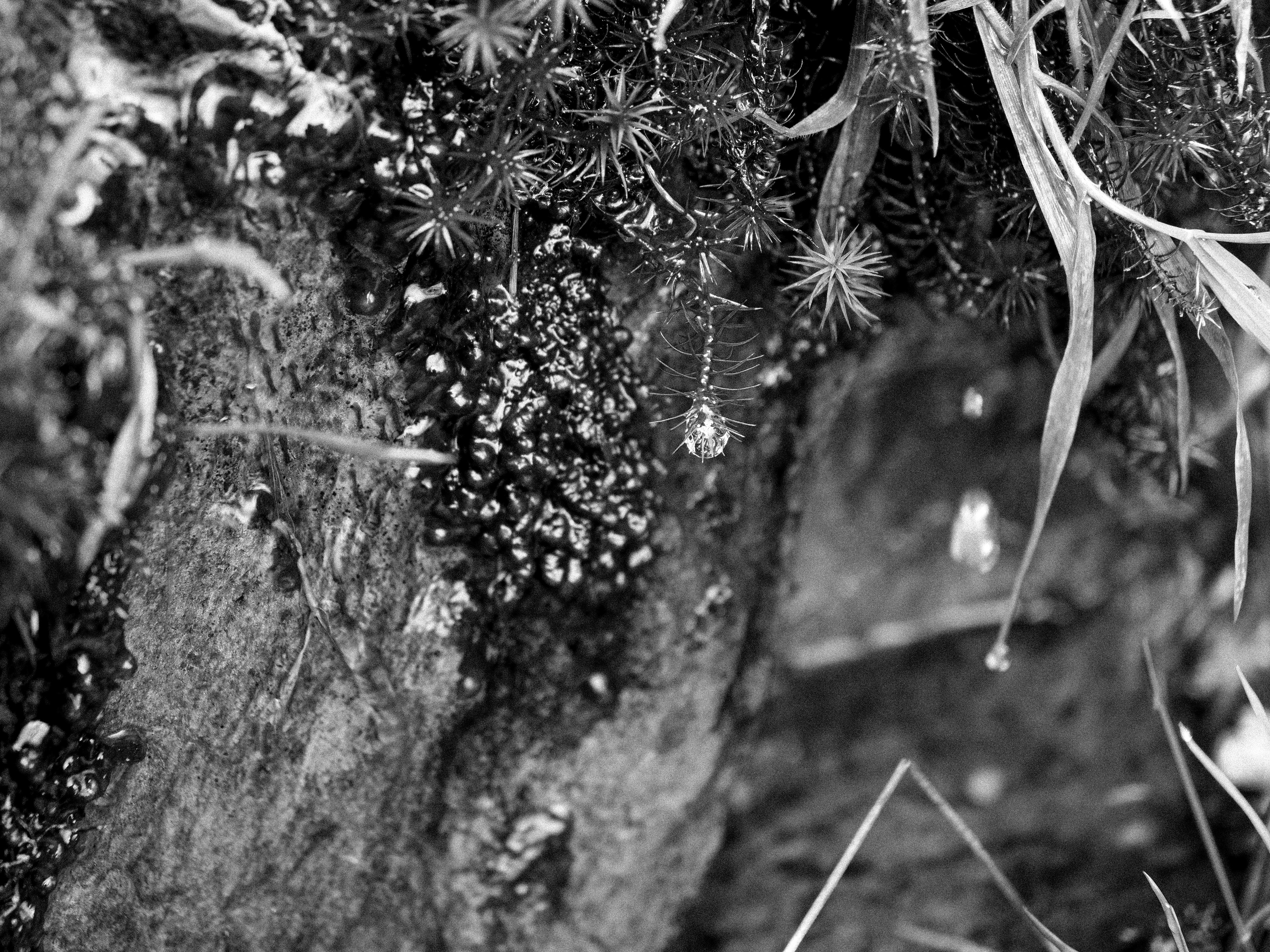
Eventually, I reached the source: a quiet trickle seeping through peat and moss. I sat there for a long while, hypnotised by the sound of the dripping water through my headphones, until I filled a small vial with what I thought would be a keepsake. Only later did I realise the cork top was porous — by the time I got home, the water had evaporated. The source, it seemed, refused containment.
It was a small but humbling reminder that fieldwork — especially with elemental forces — is never entirely in one’s control. The environment asserts itself, not just as a setting, but as an agent that shapes the experience and the knowledge that comes from it. The Wye, in this case, had the last word.
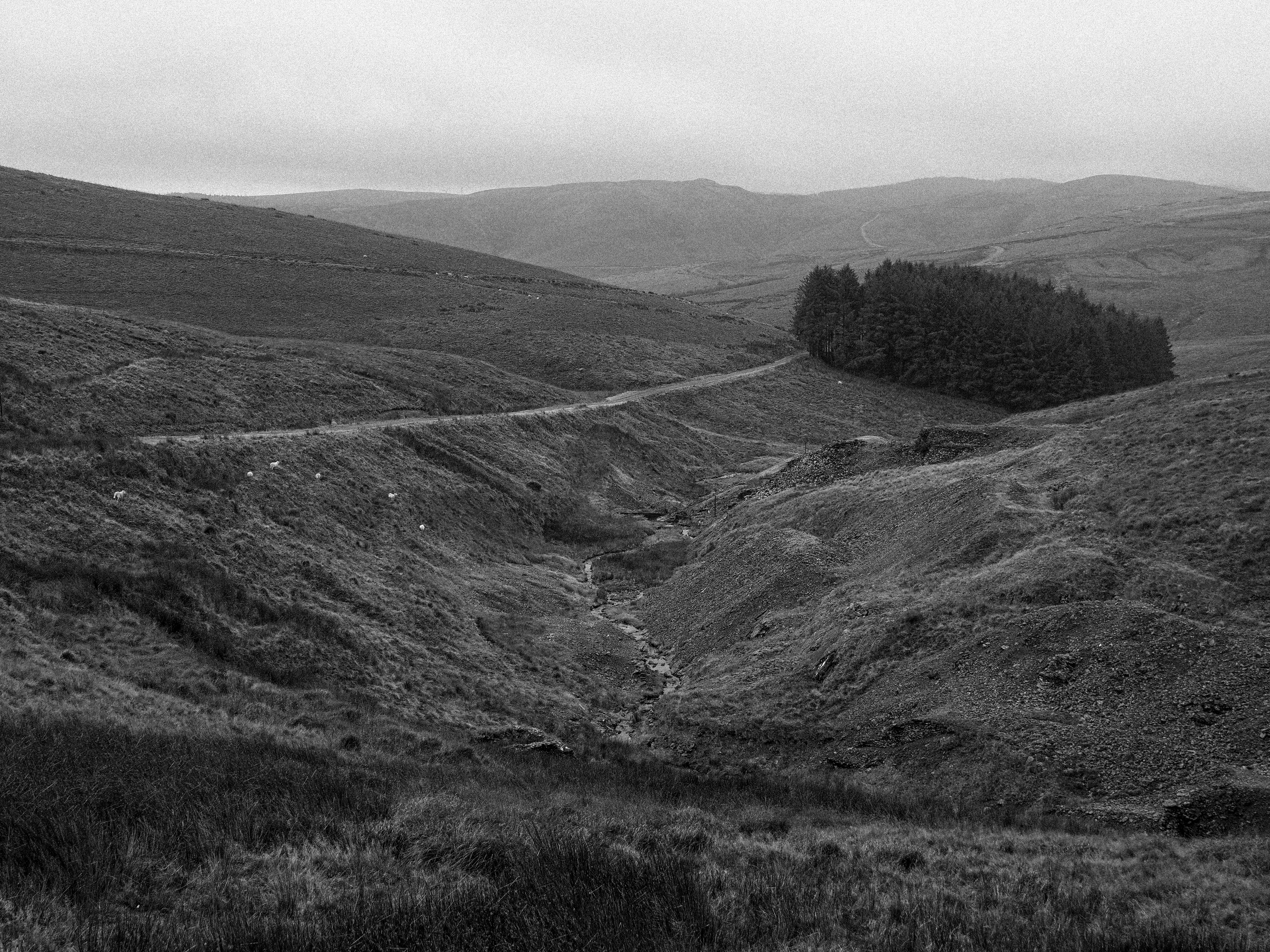
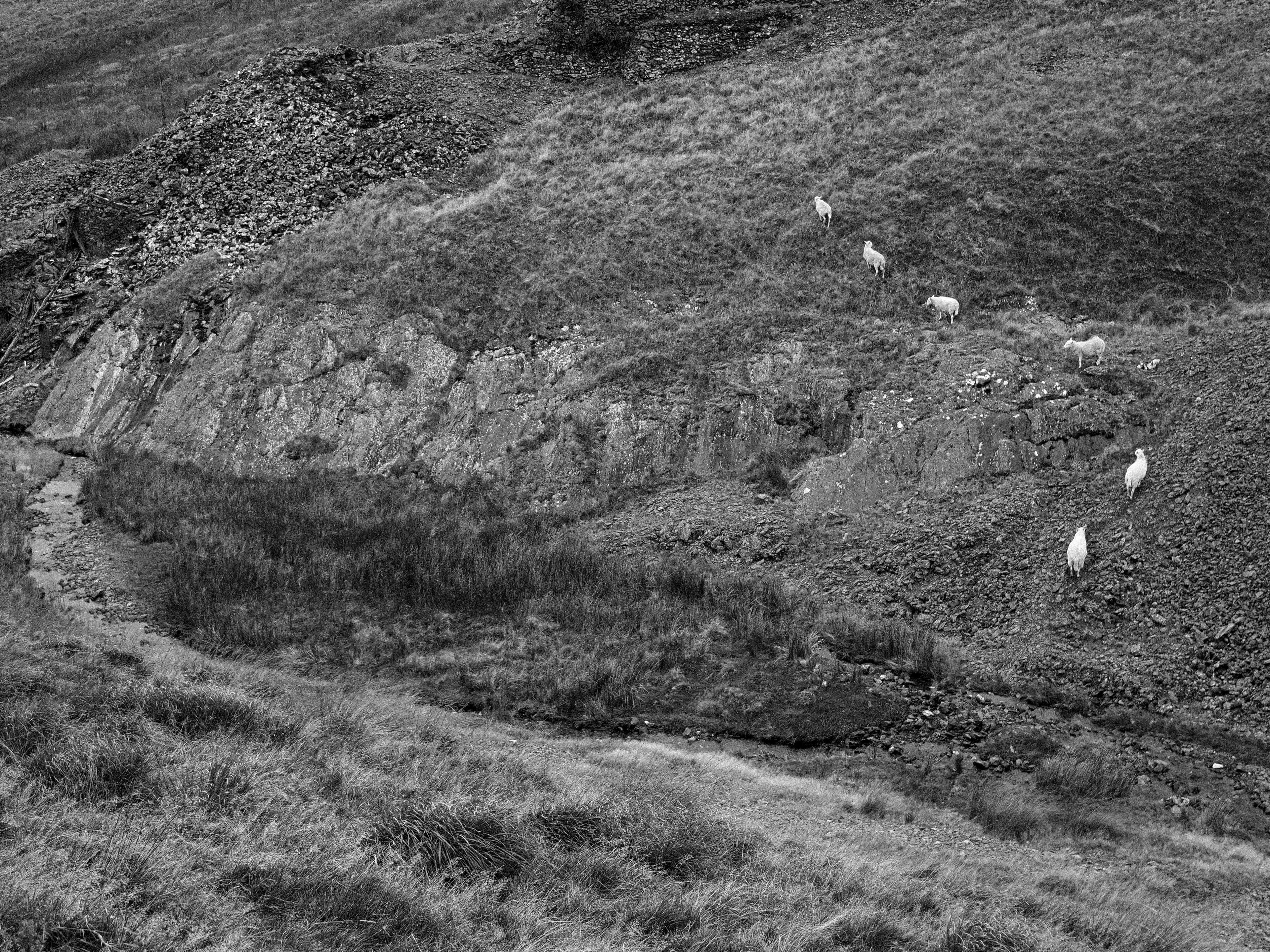
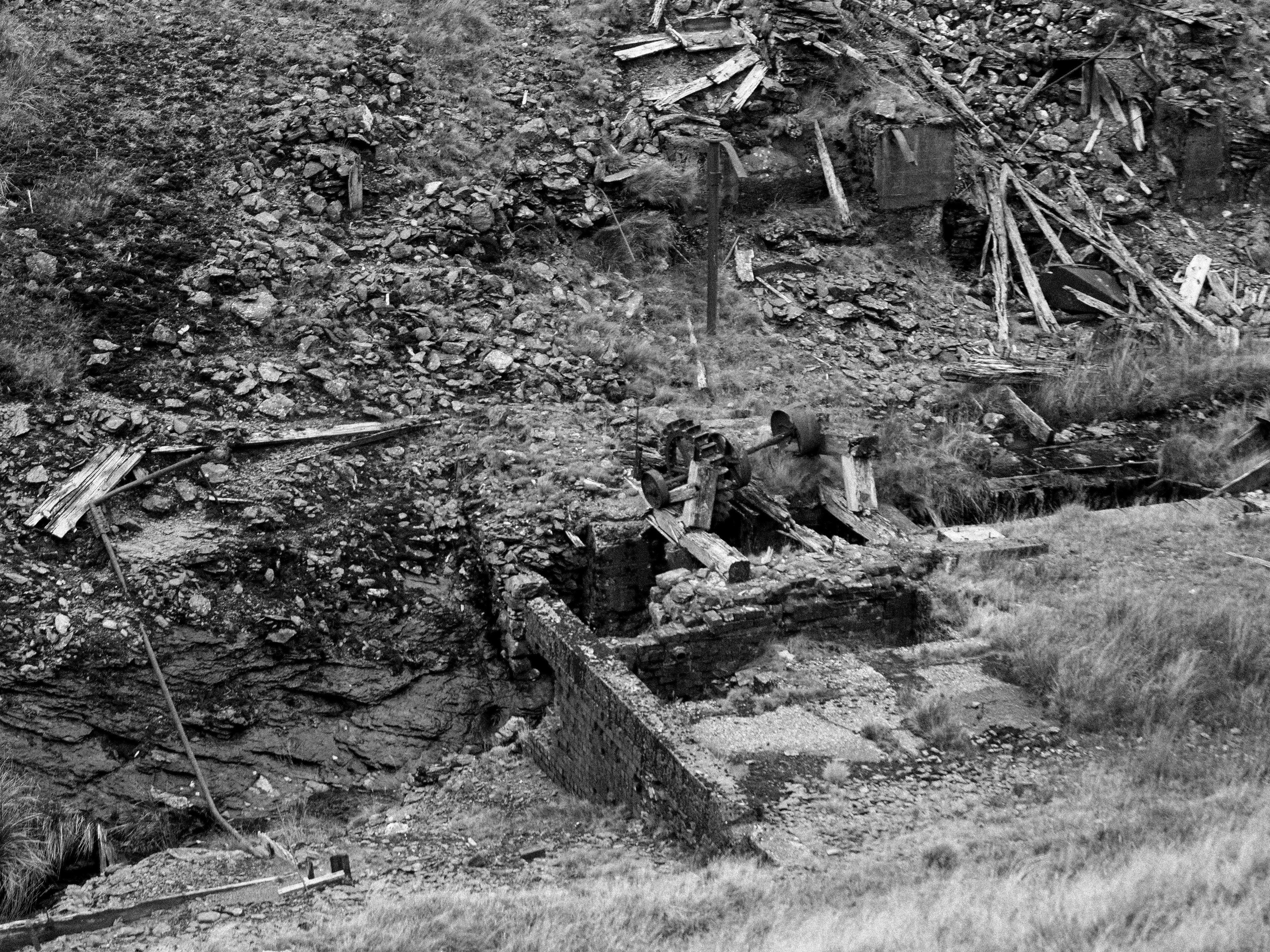
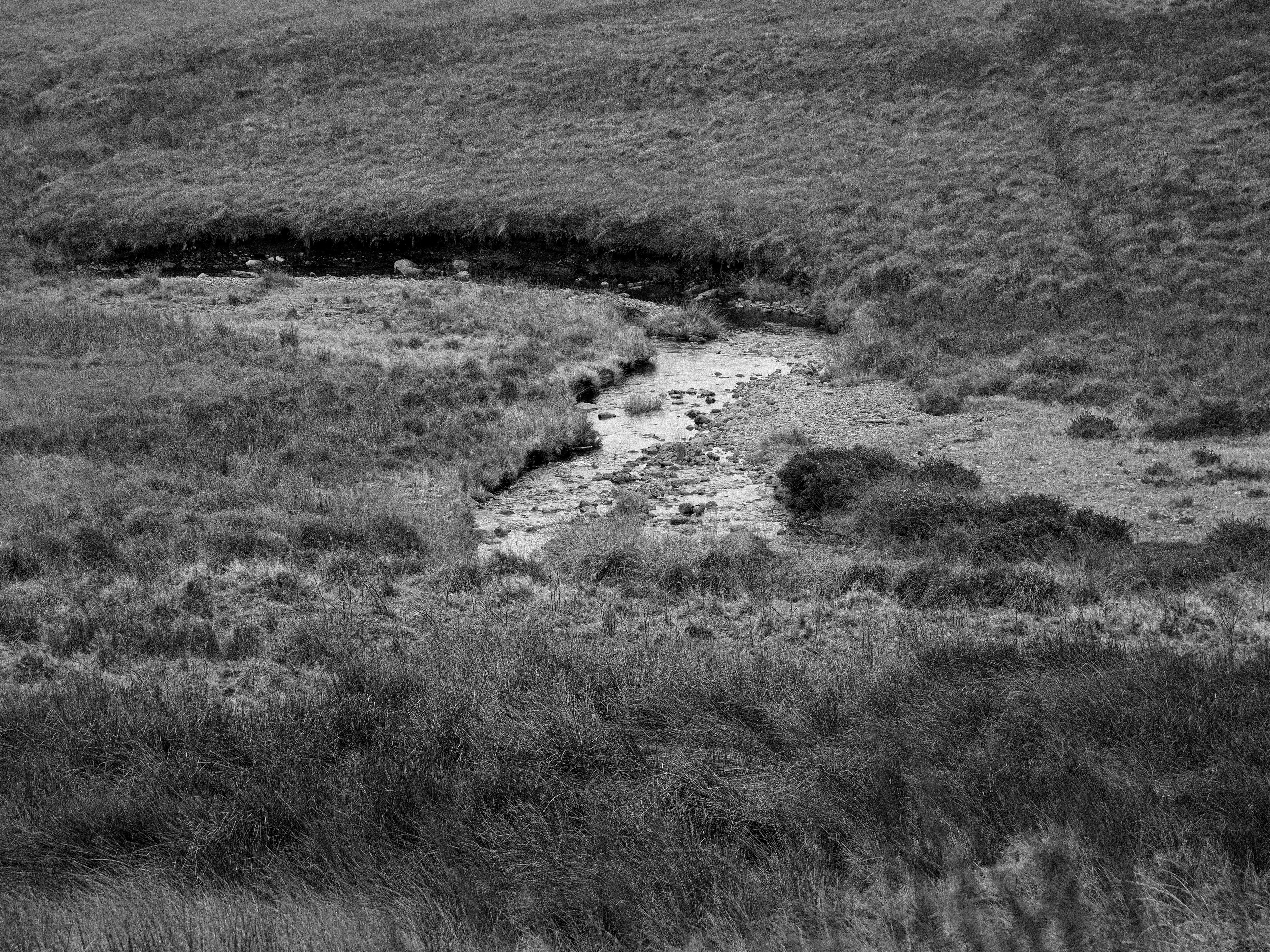
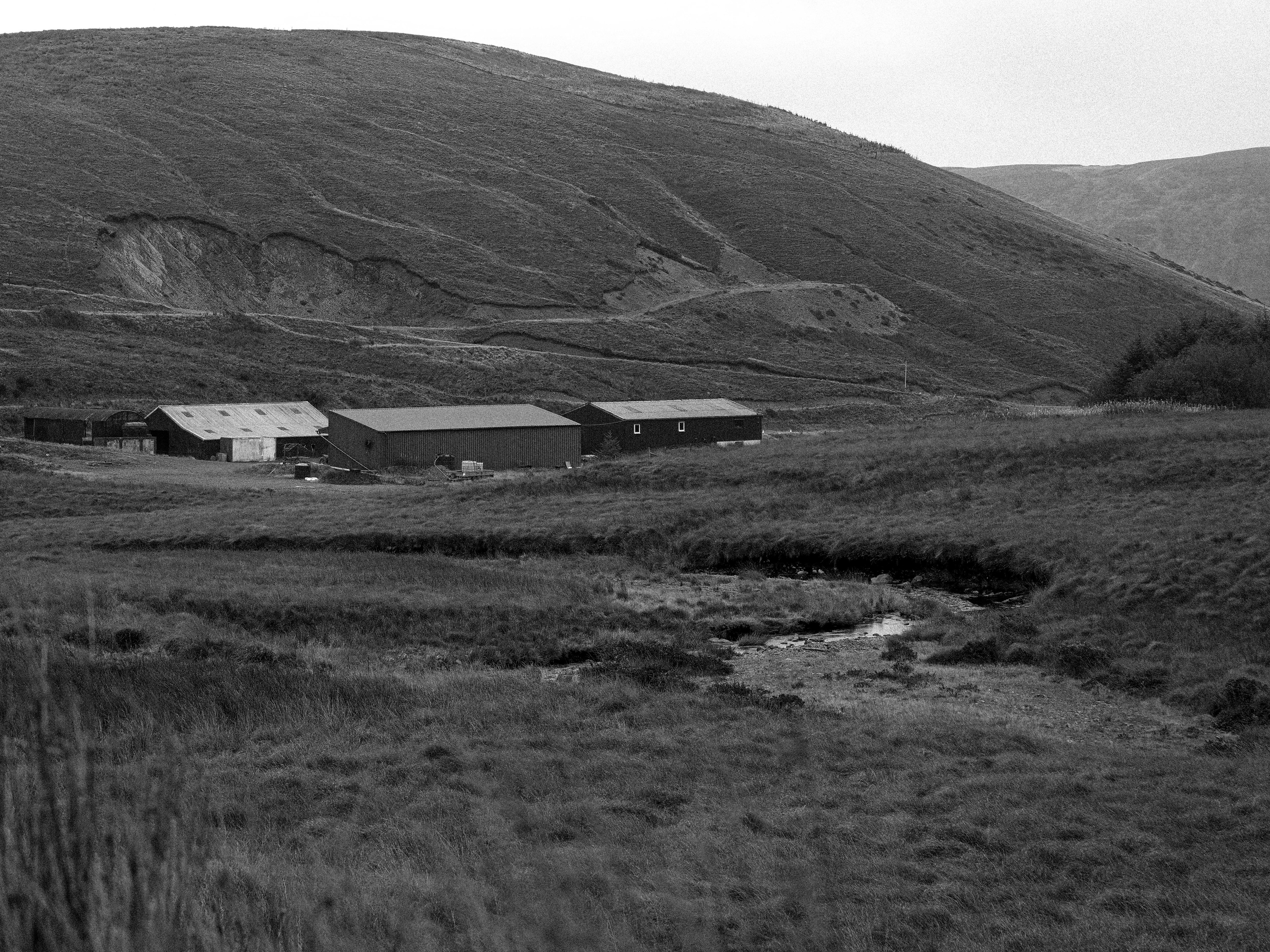
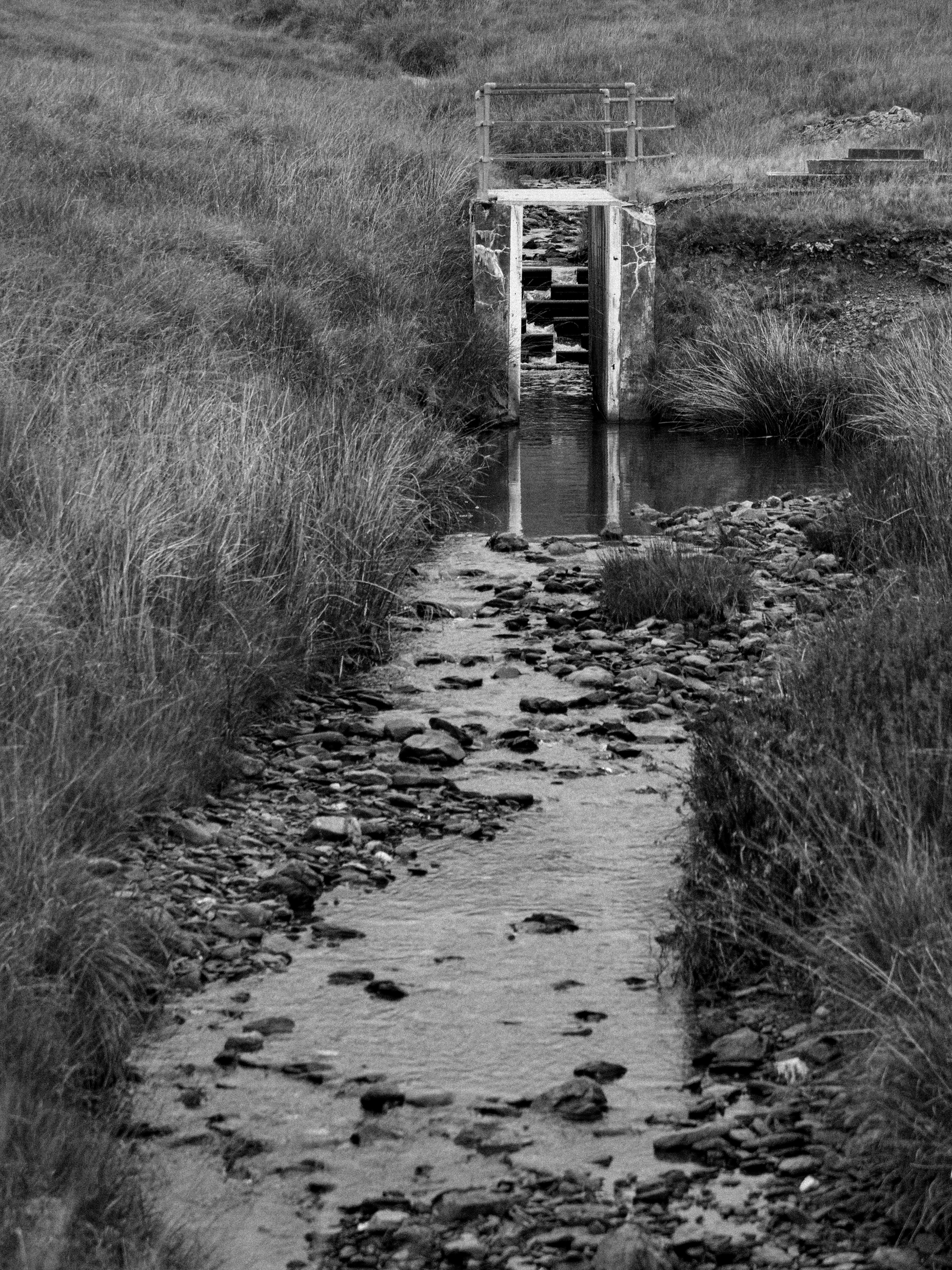
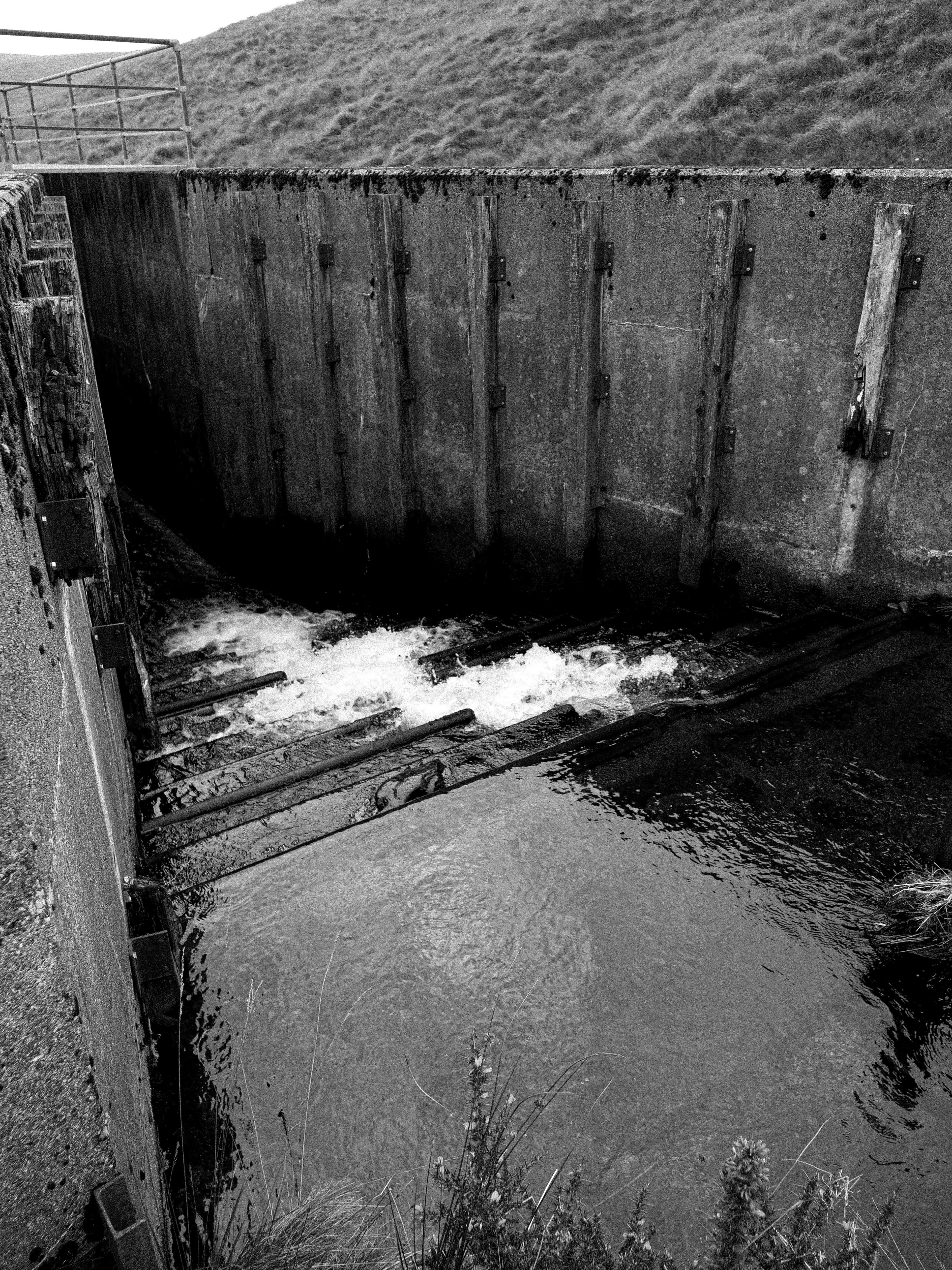
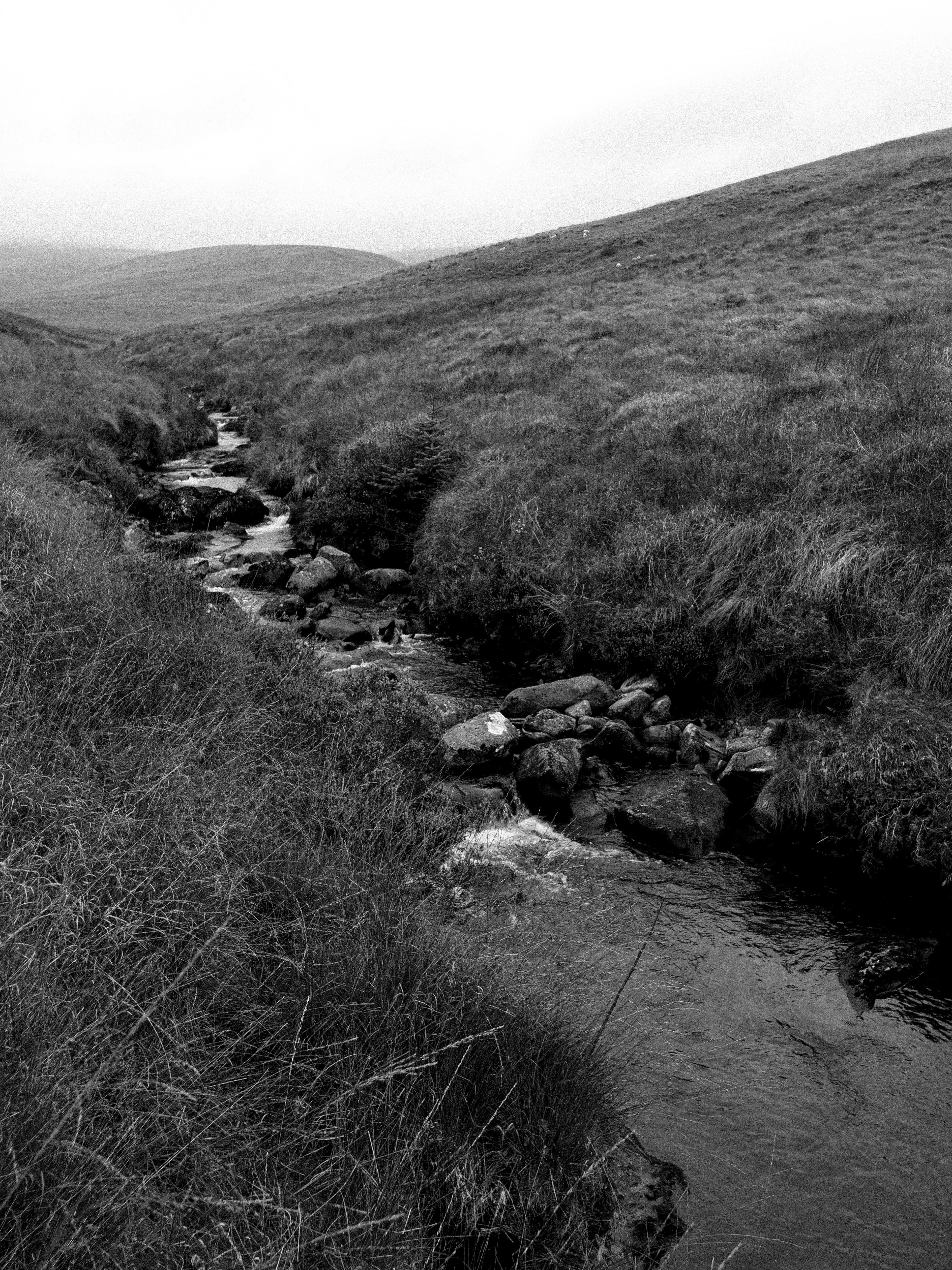
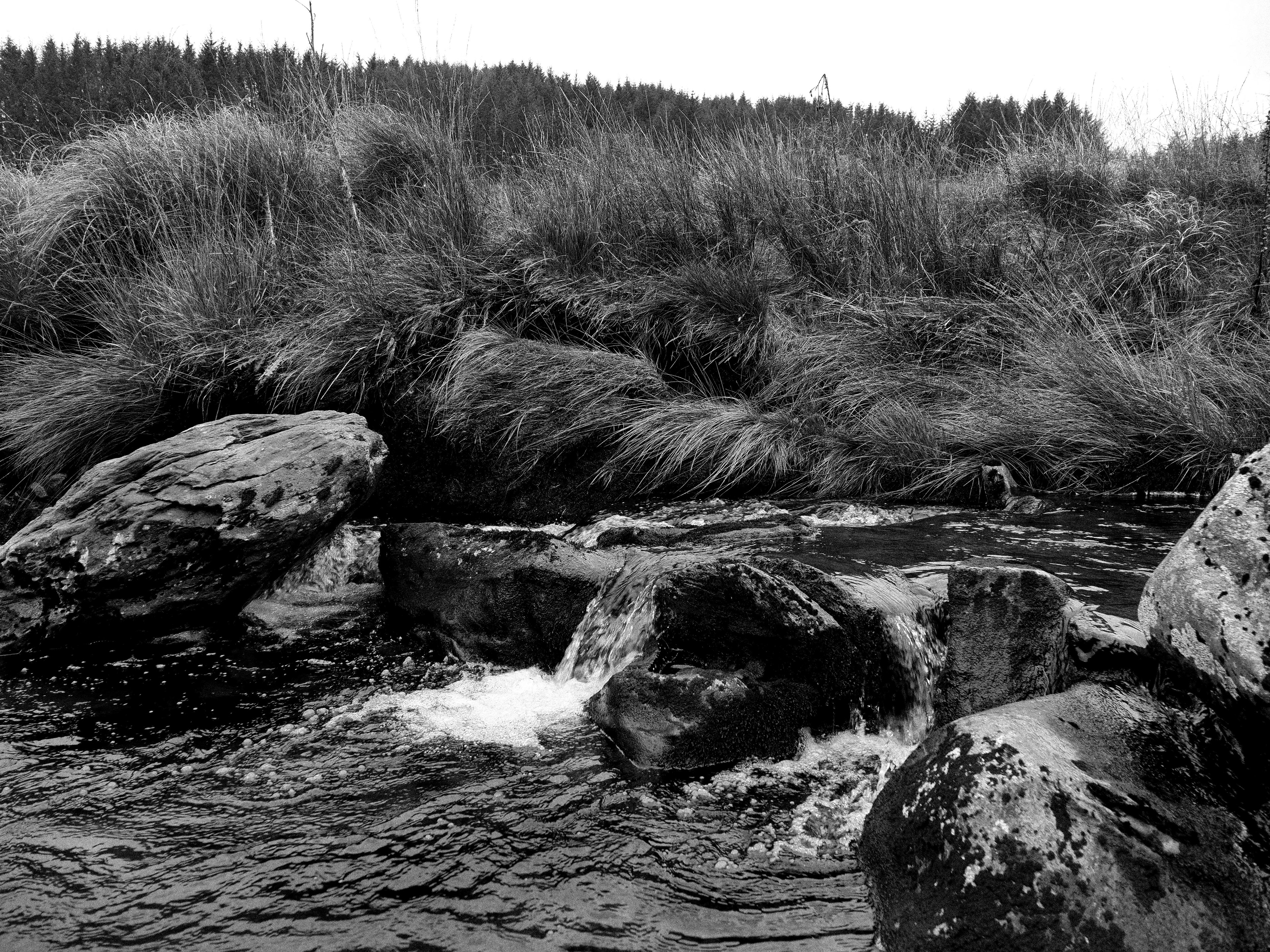
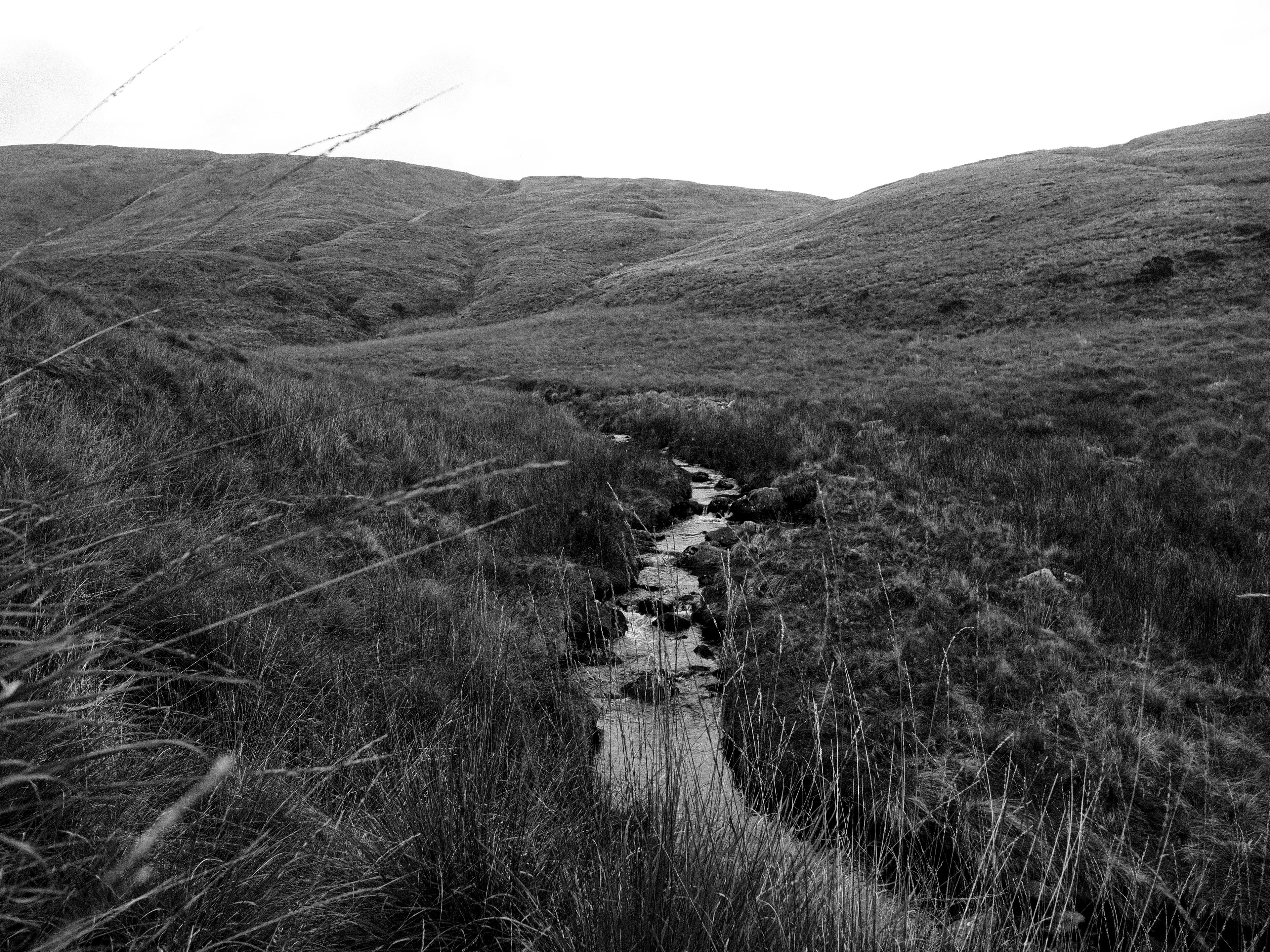
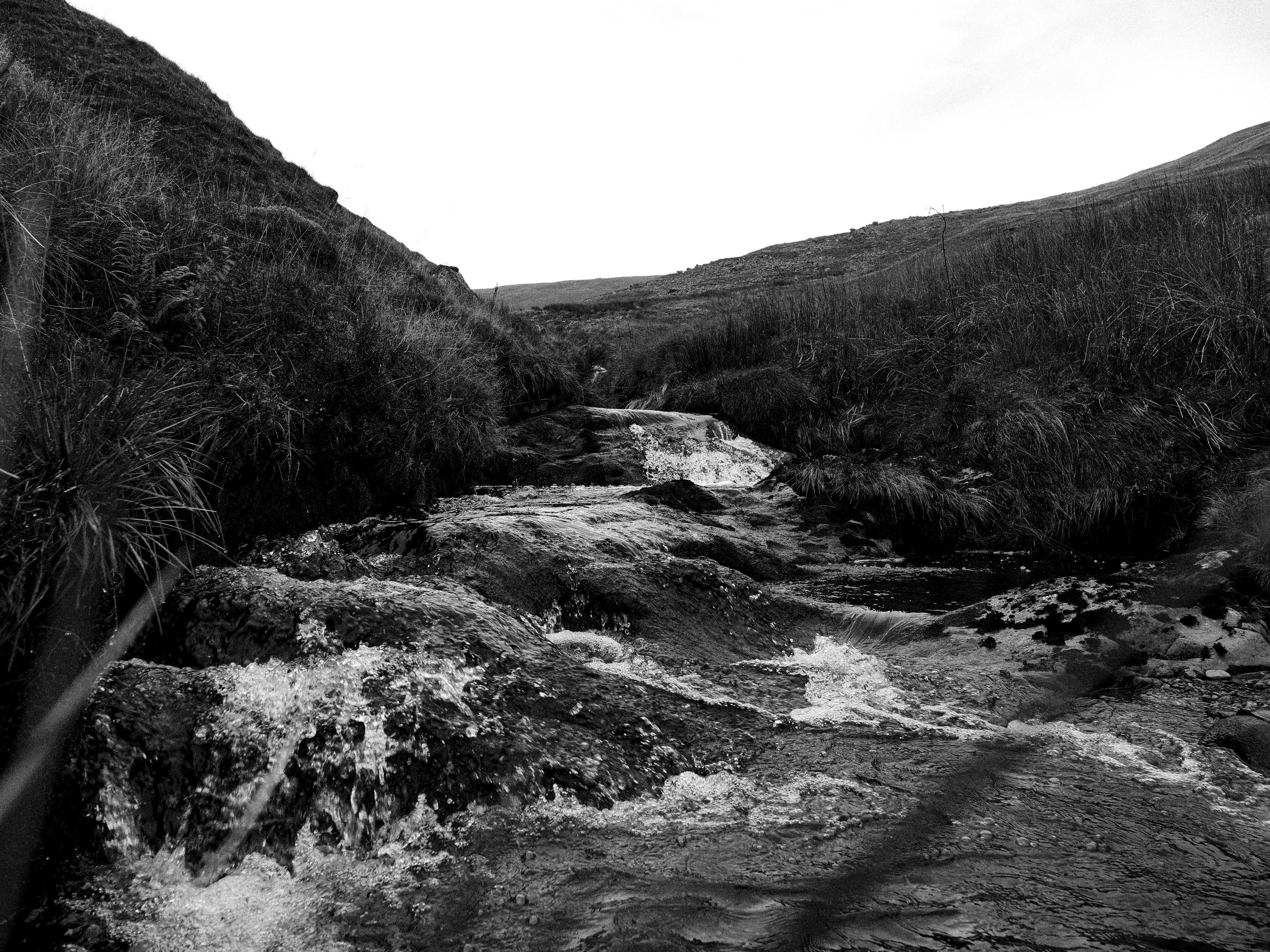
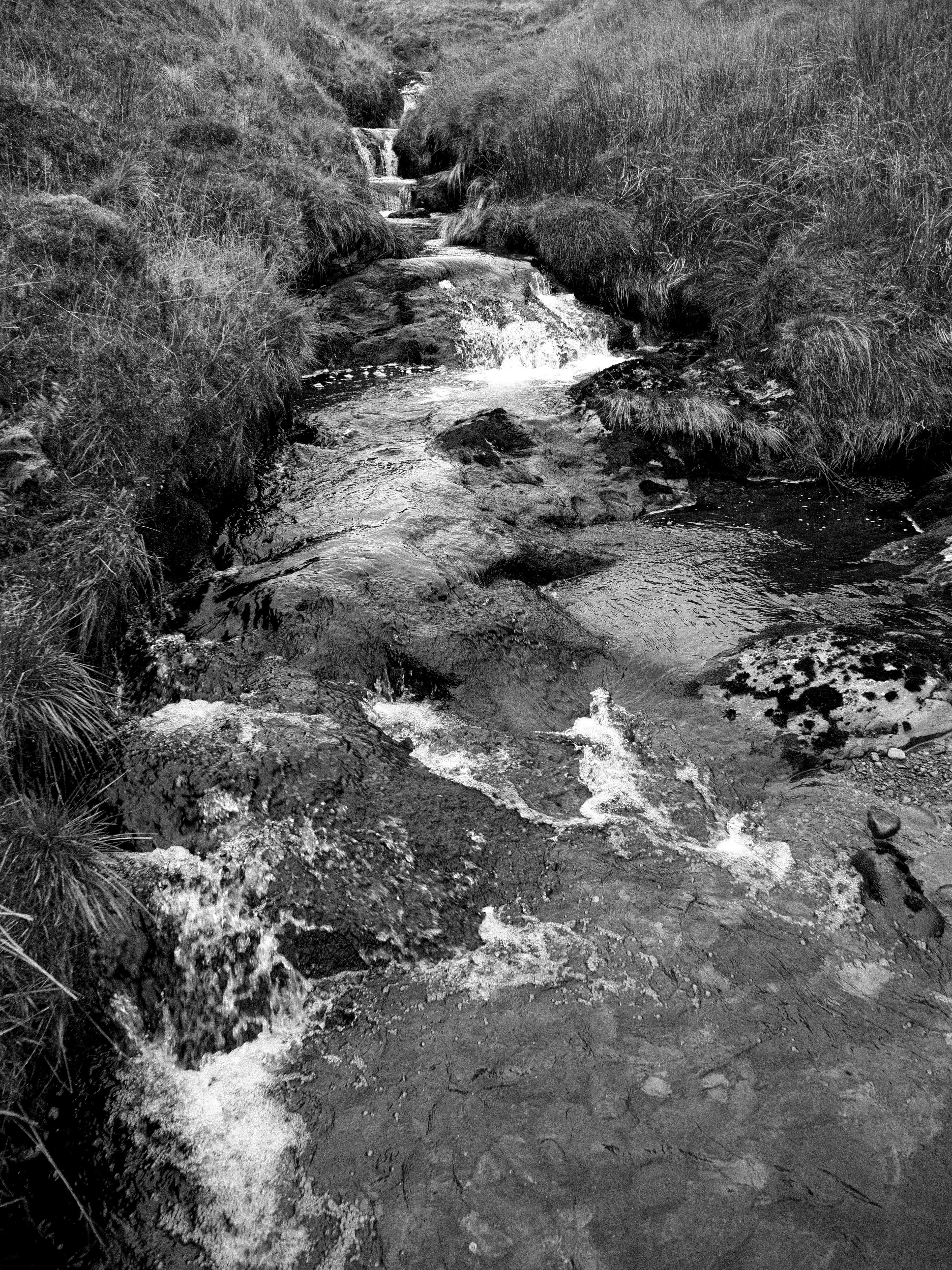
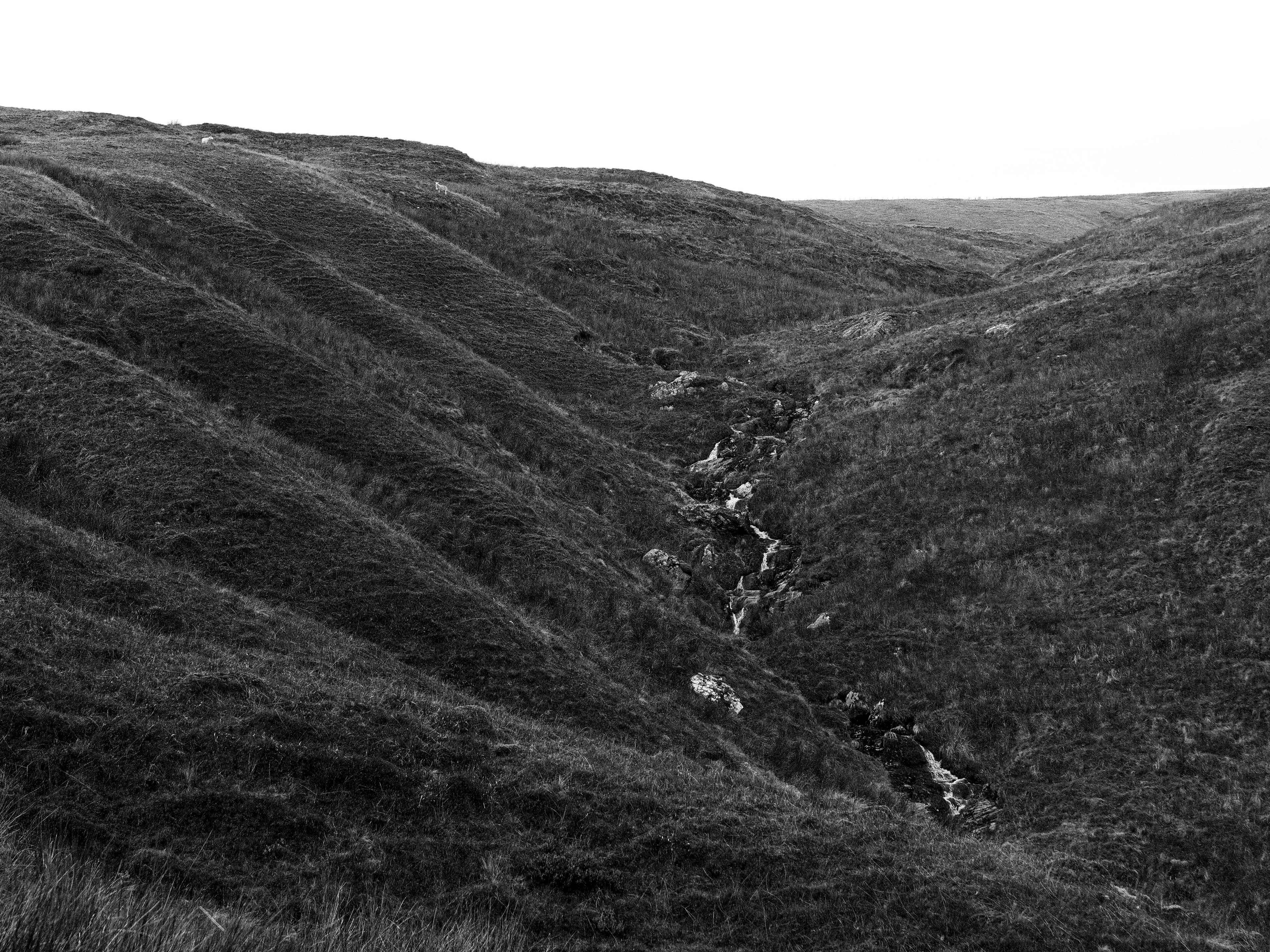
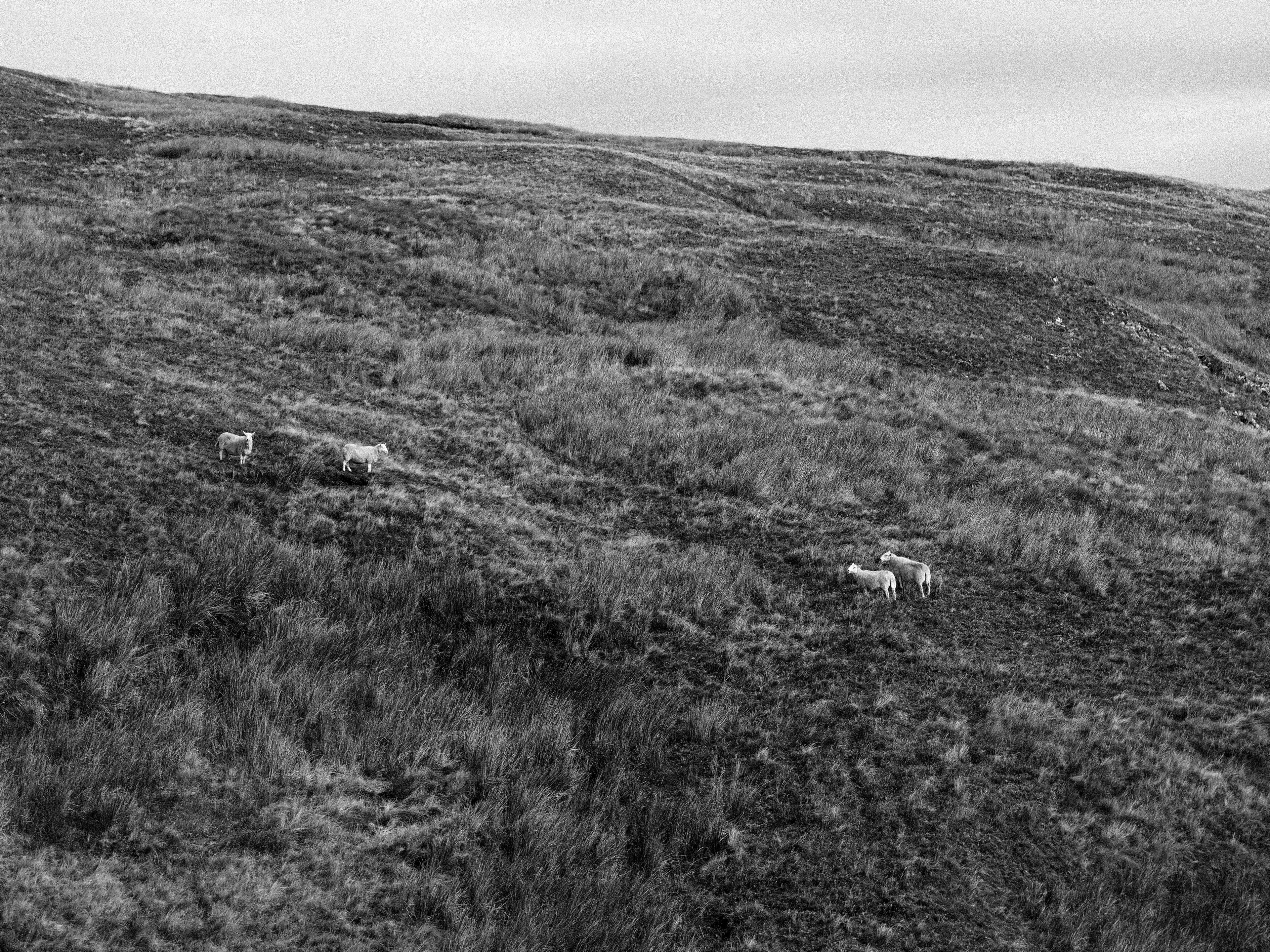
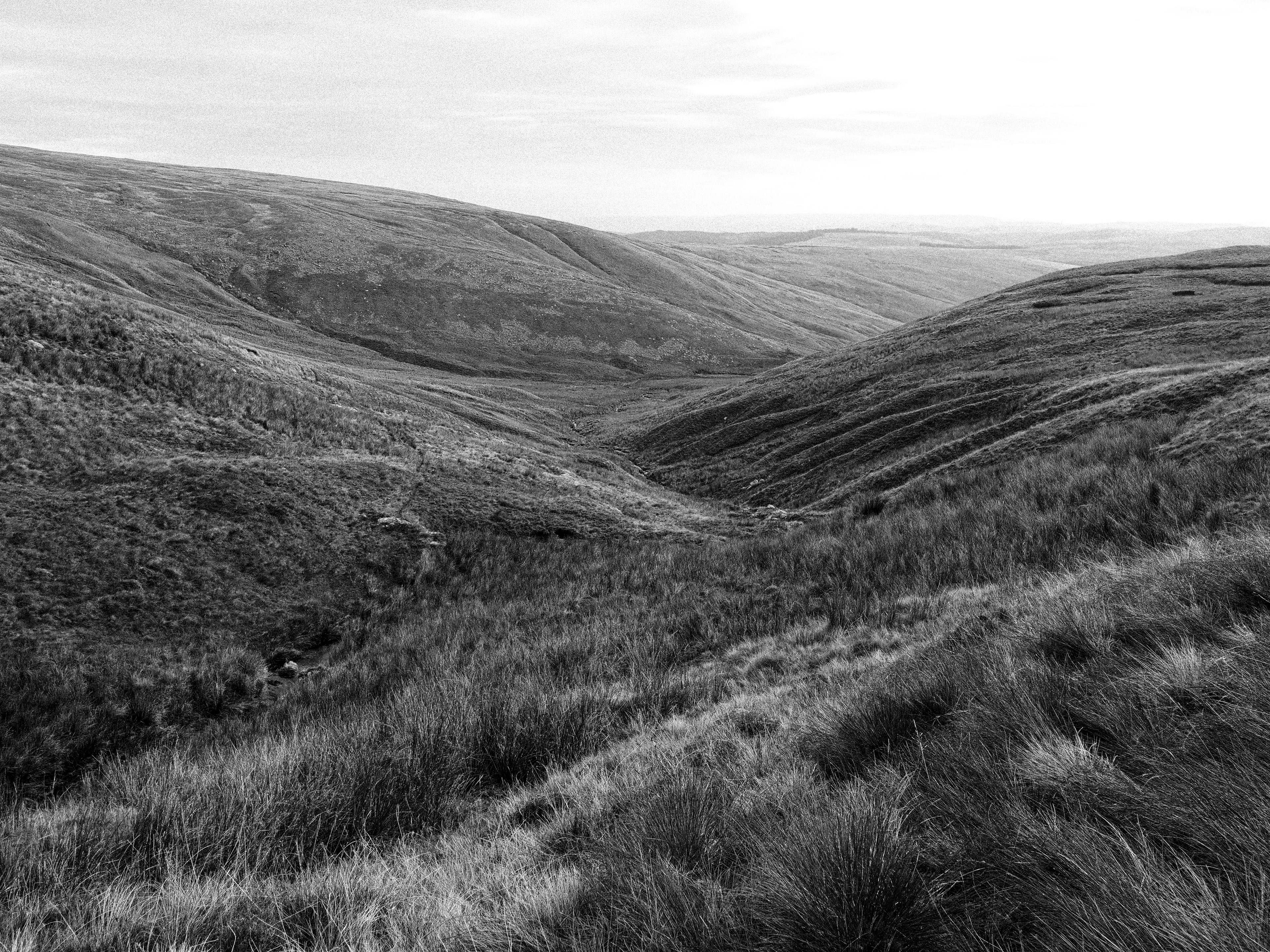
Eventually, I reached the source: a quiet trickle seeping through peat and moss. I sat there for a long while, hypnotised by the sound of the dripping water through my headphones, until I filled a small vial with what I thought would be a keepsake. Only later did I realise the cork top was porous — by the time I got home, the water had evaporated. The source, it seemed, refused containment.
It was a small but humbling reminder that fieldwork — especially with elemental forces — is never entirely in one’s control. The environment asserts itself, not just as a setting, but as an agent that shapes the experience and the knowledge that comes from it. The Wye, in this case, had the last word.
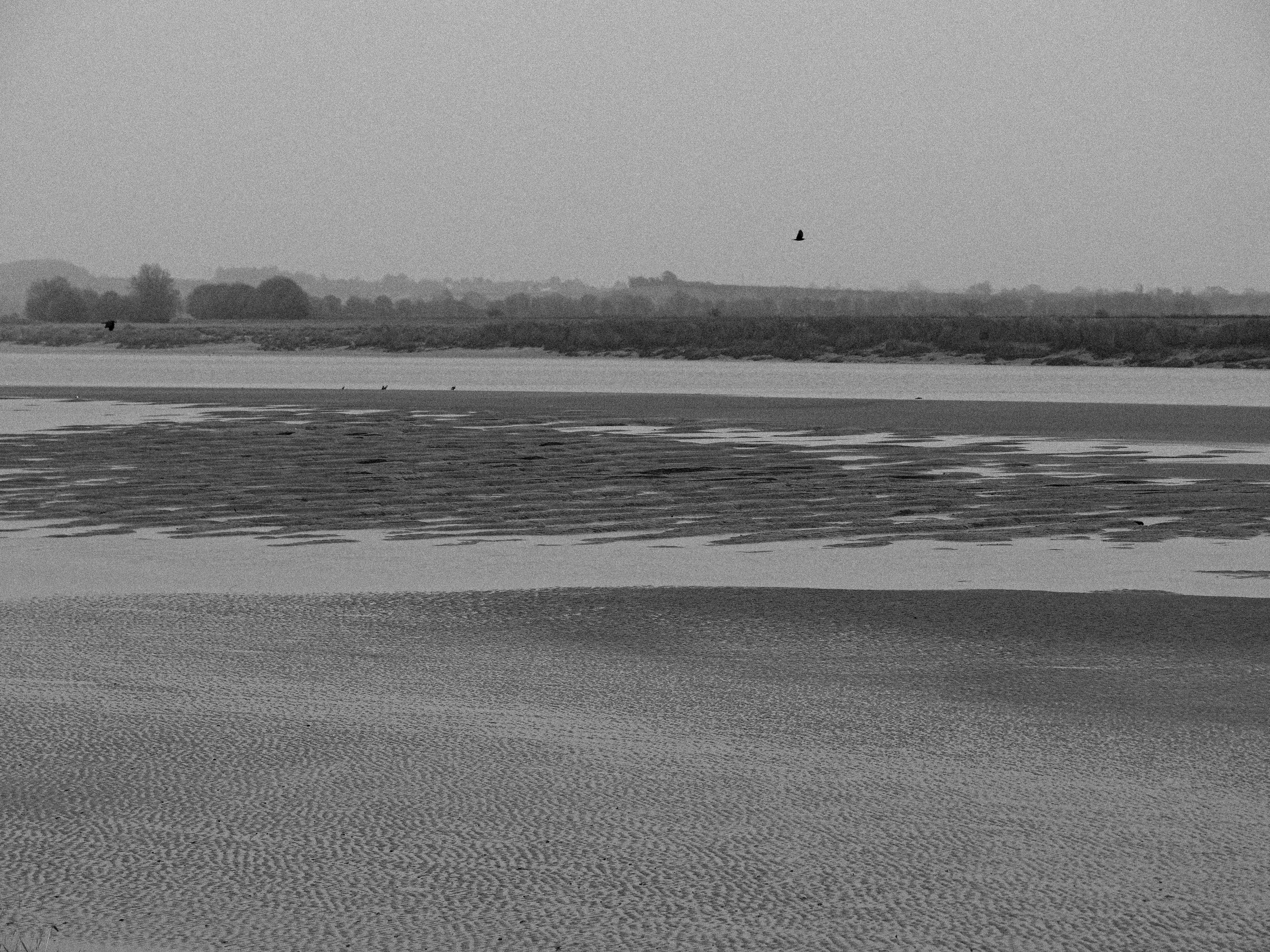
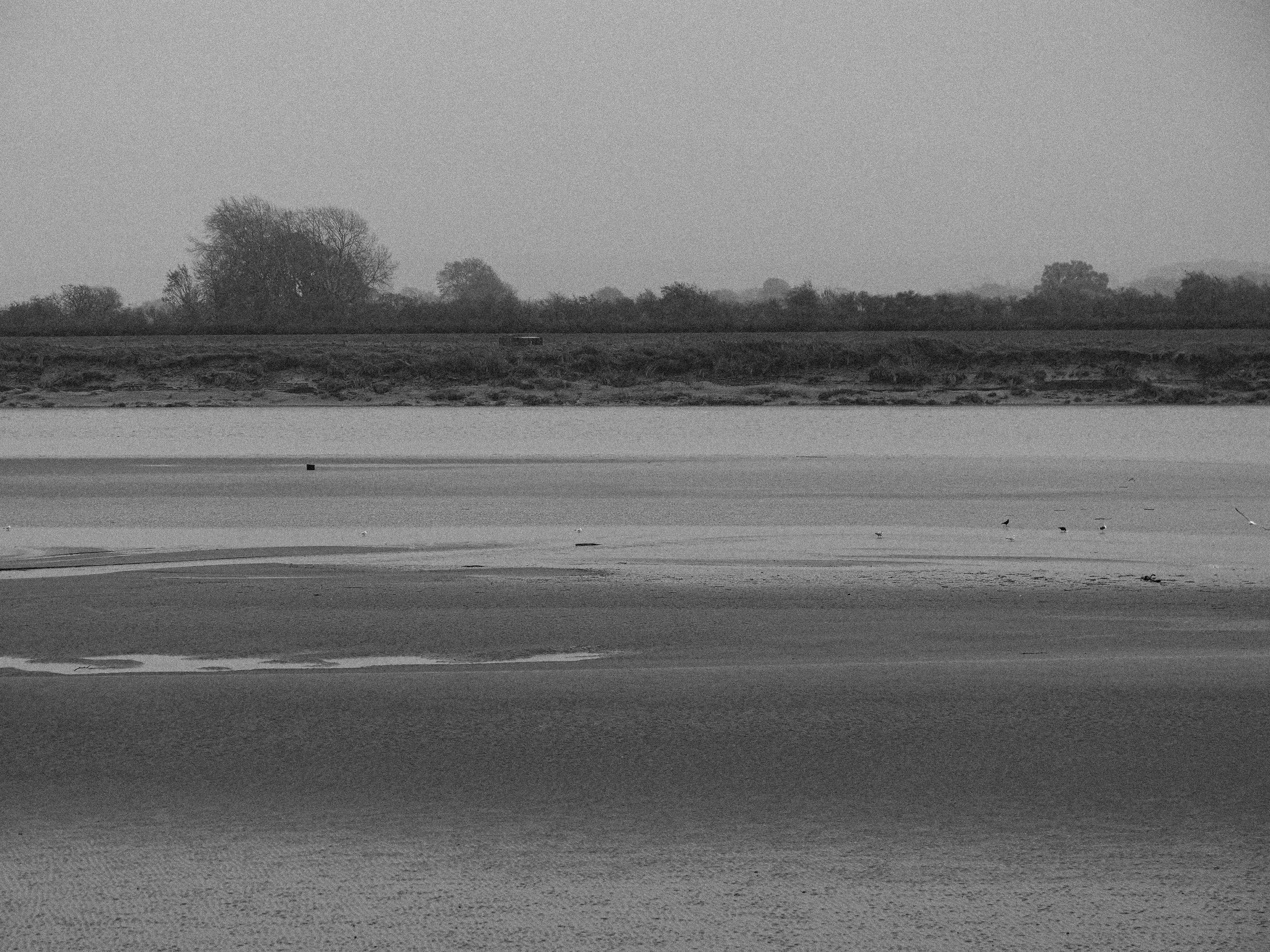
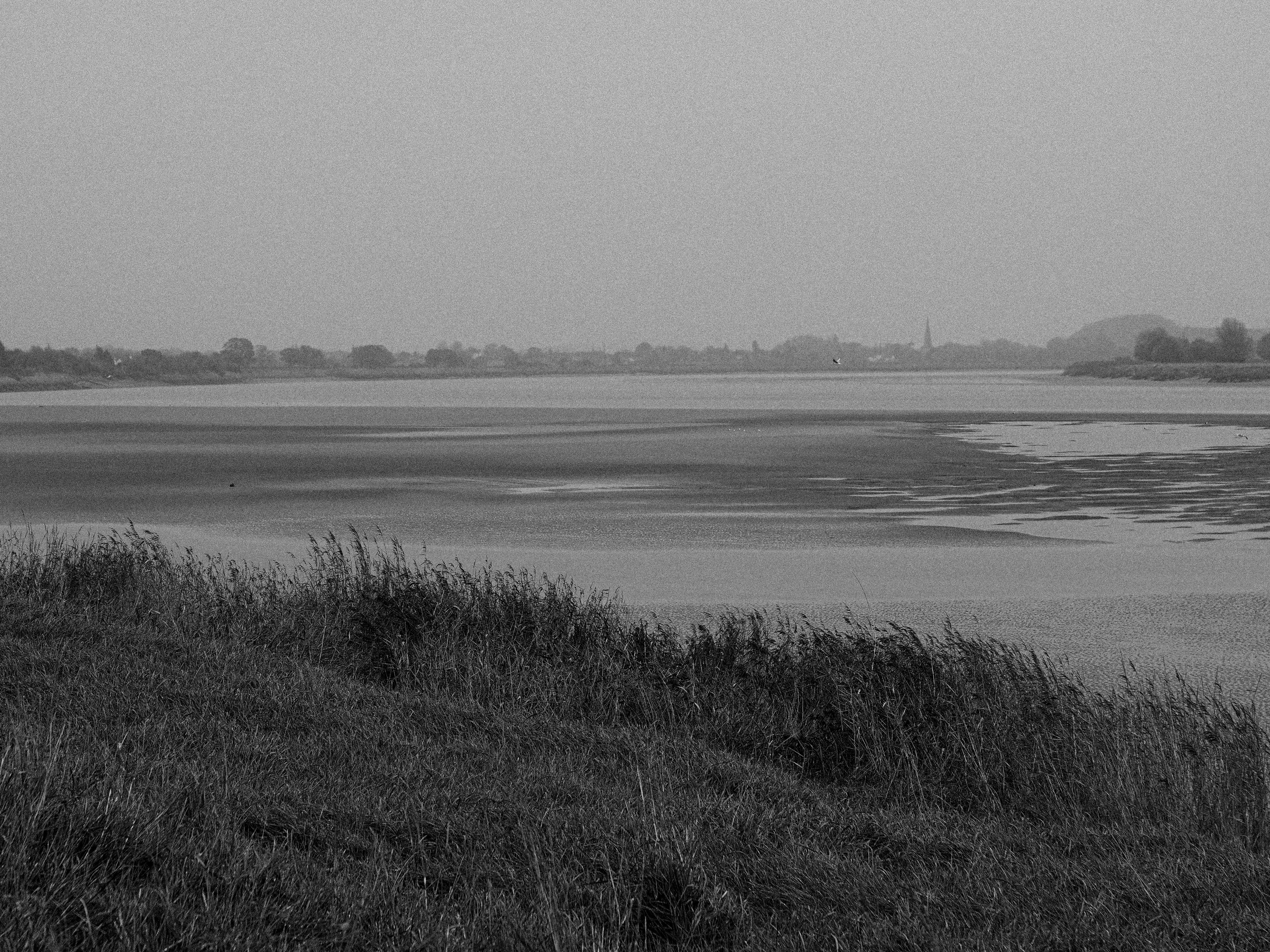
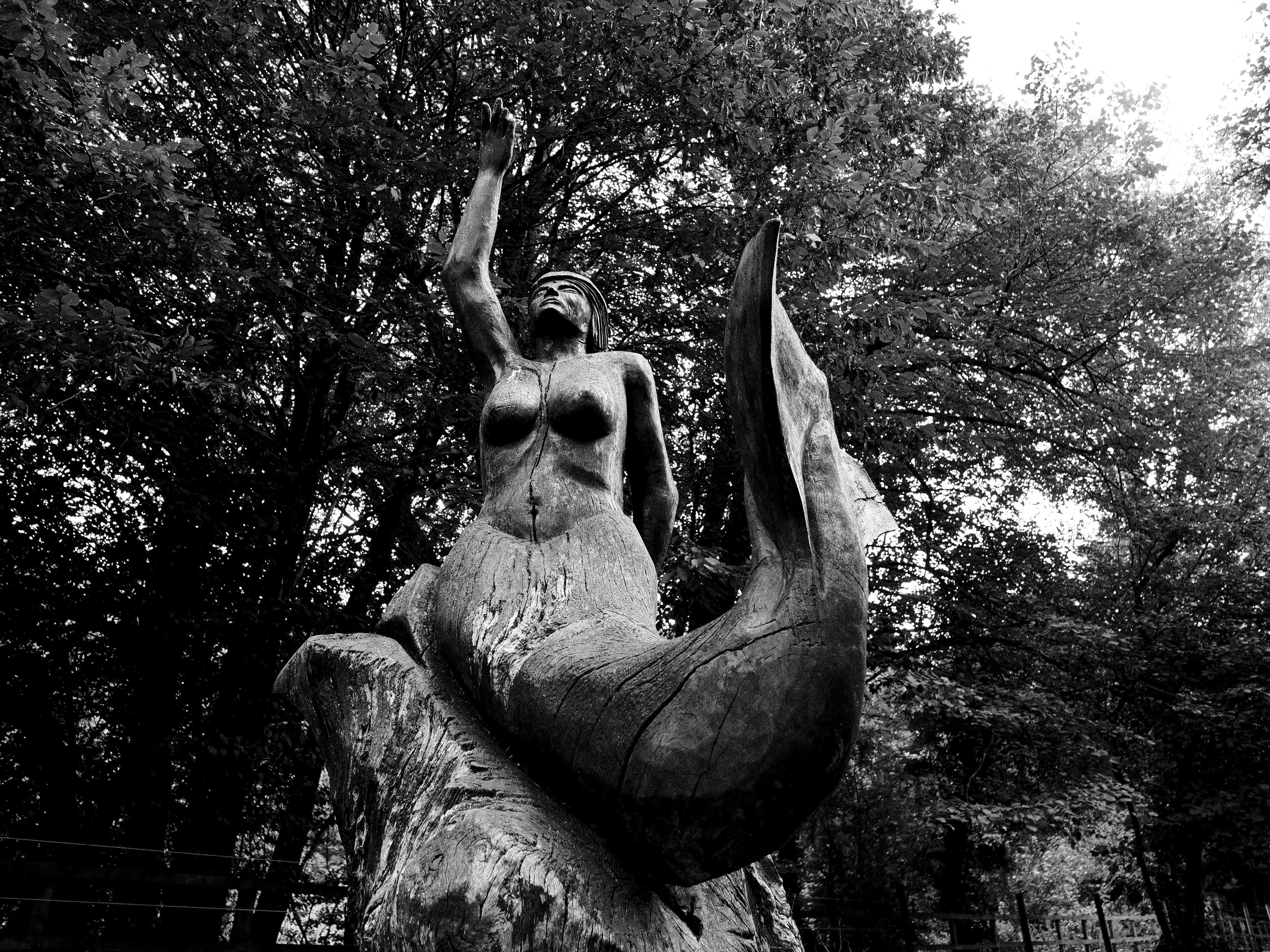
The River Severn and Sabrina
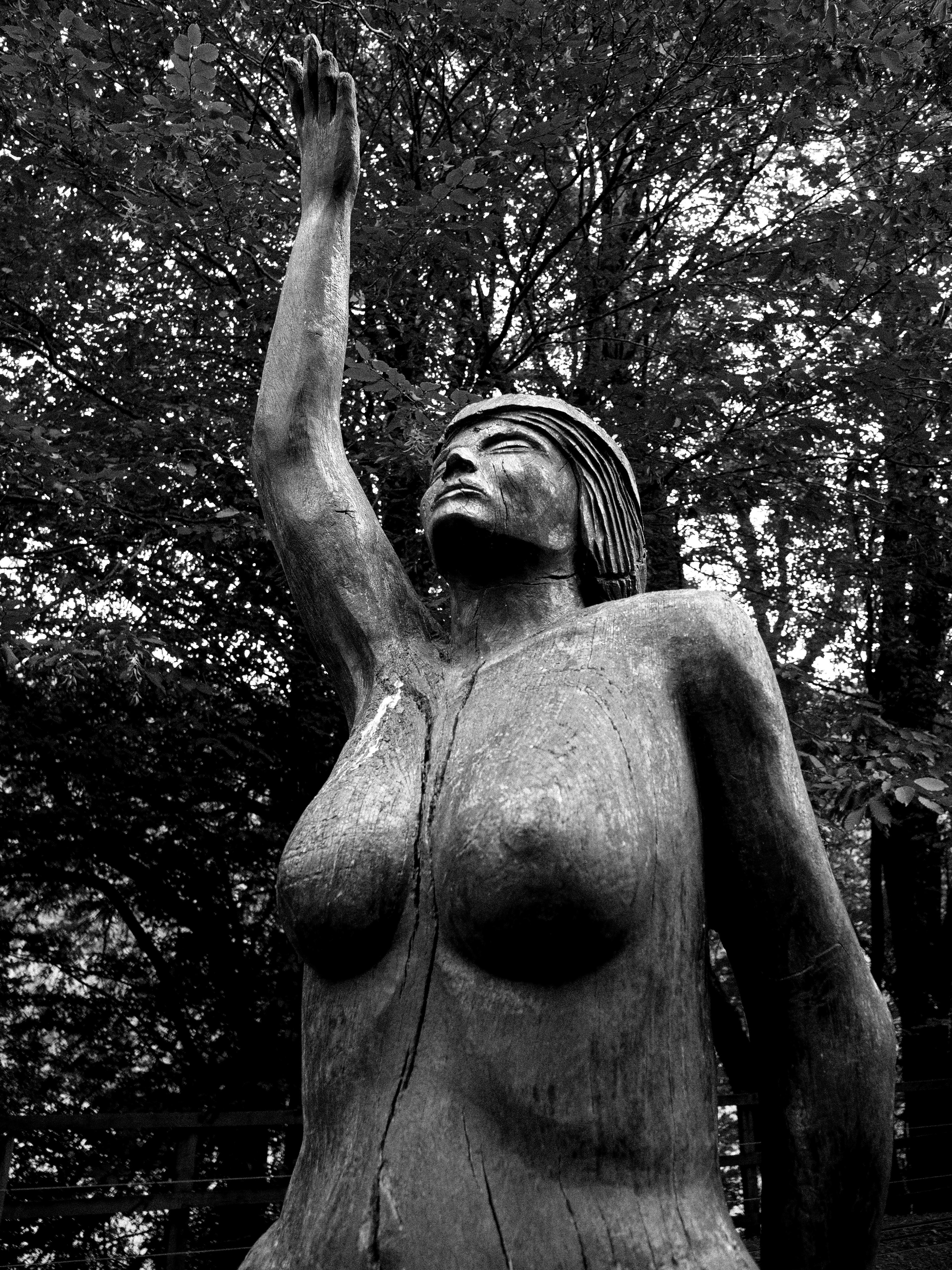
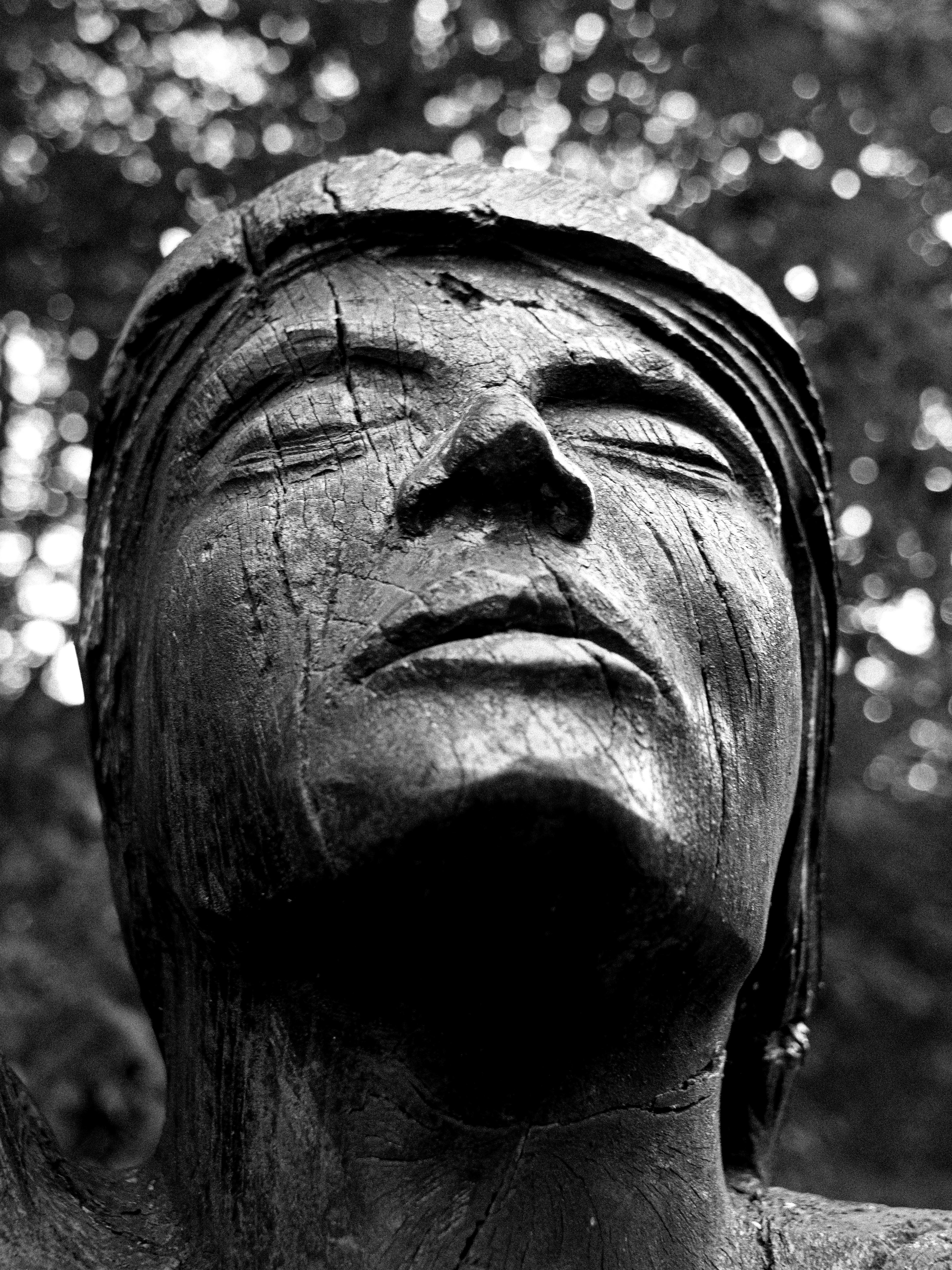
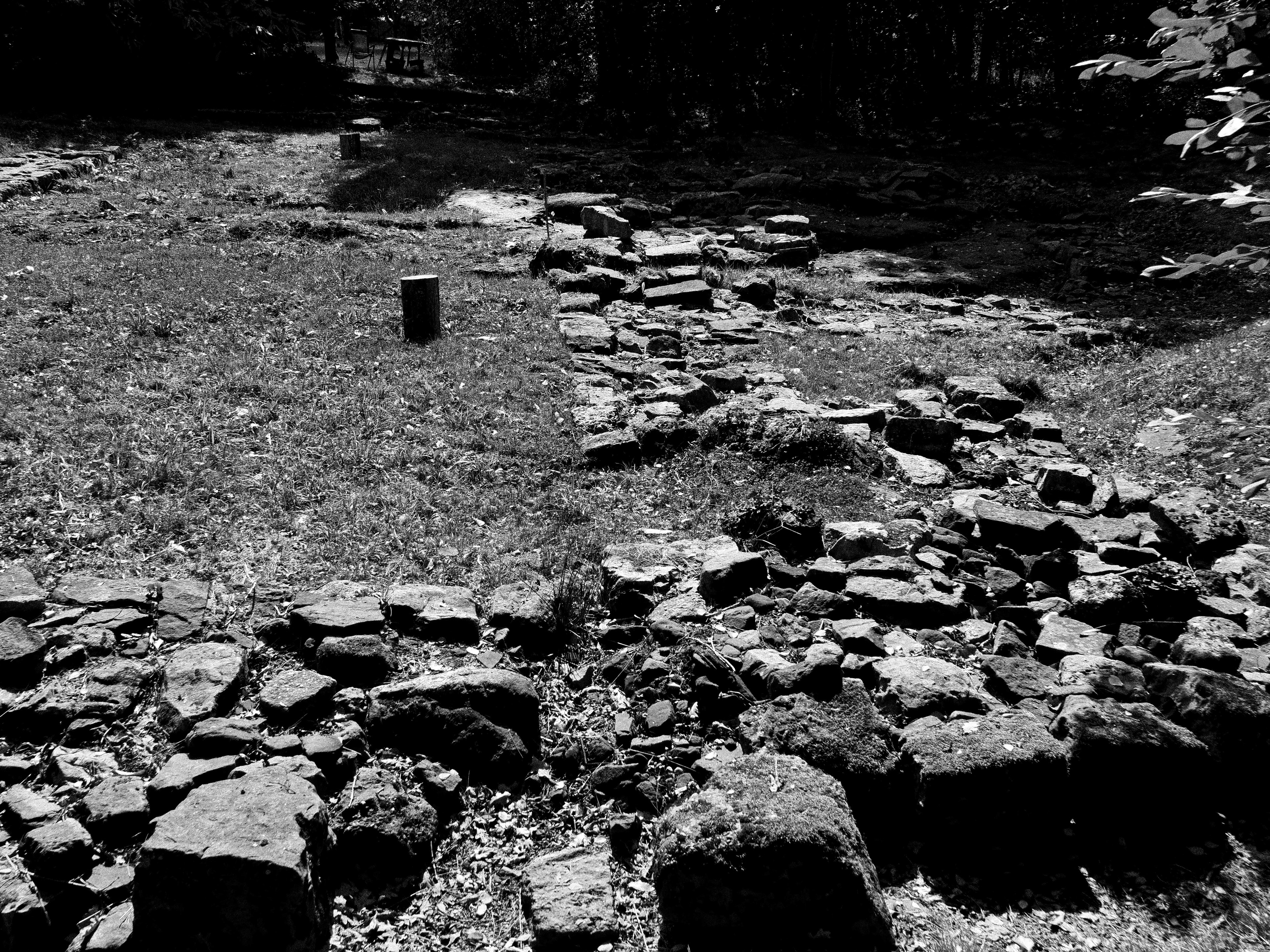
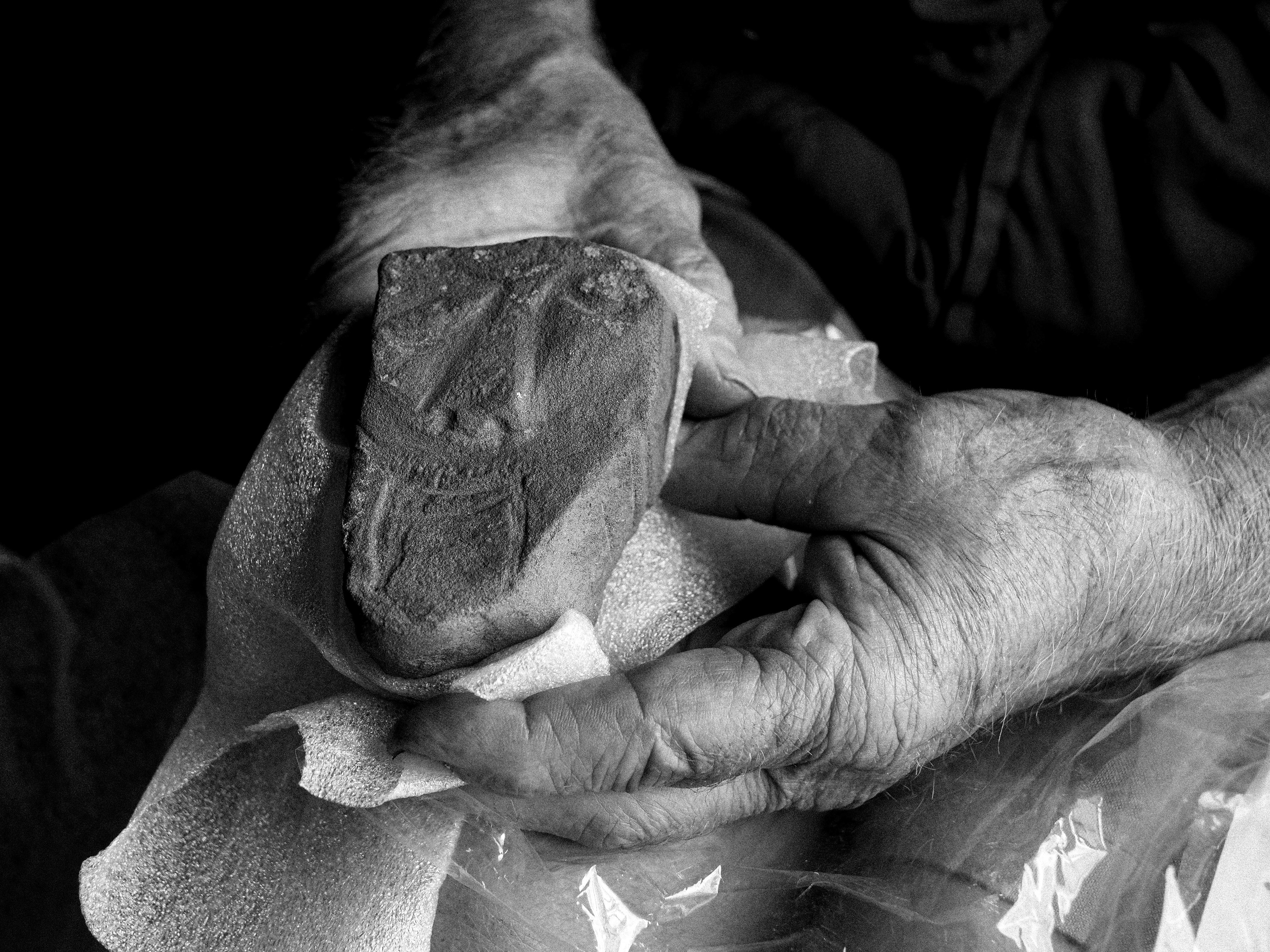
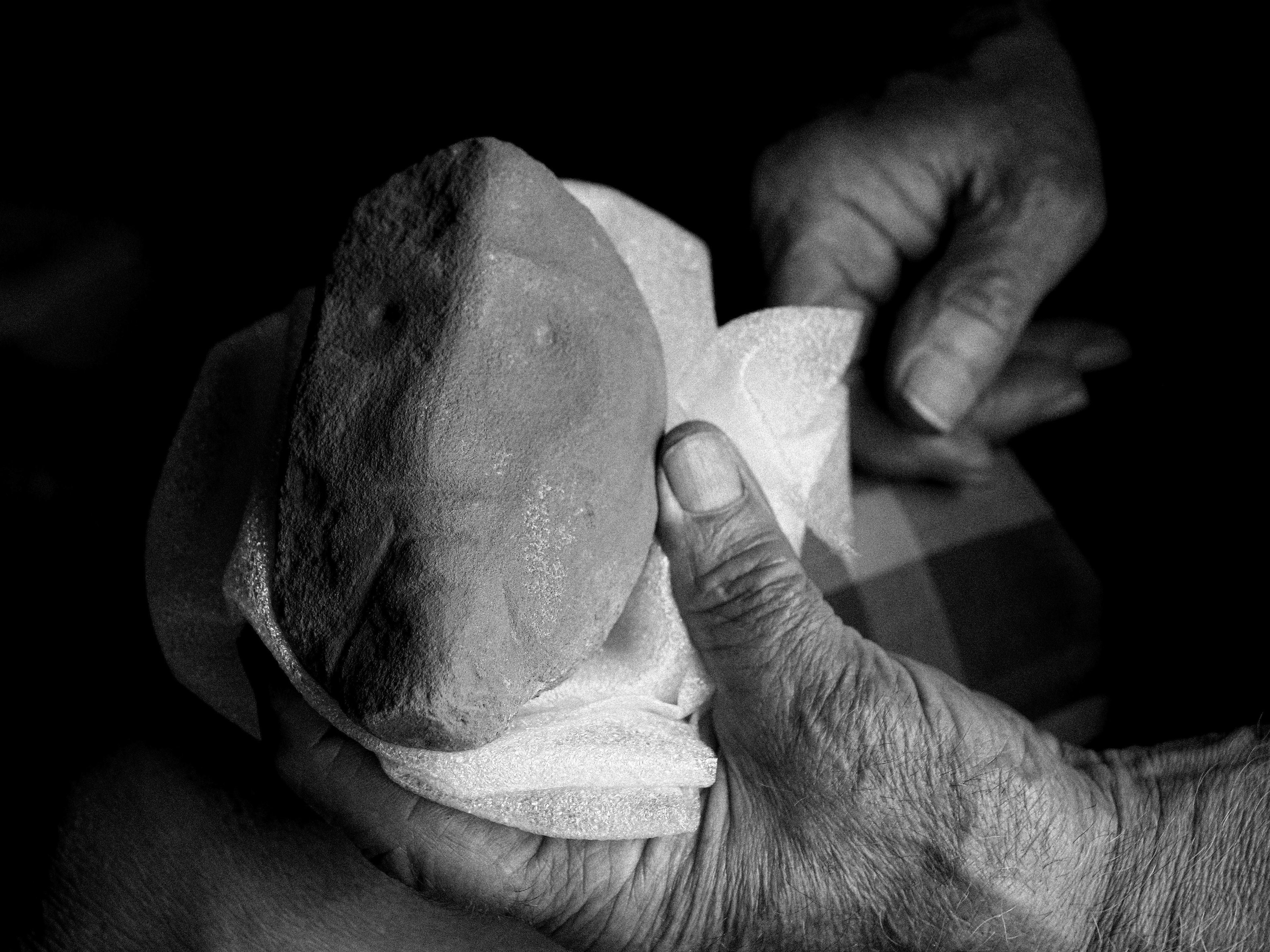
Littledean Roman Temple and Nymphaem
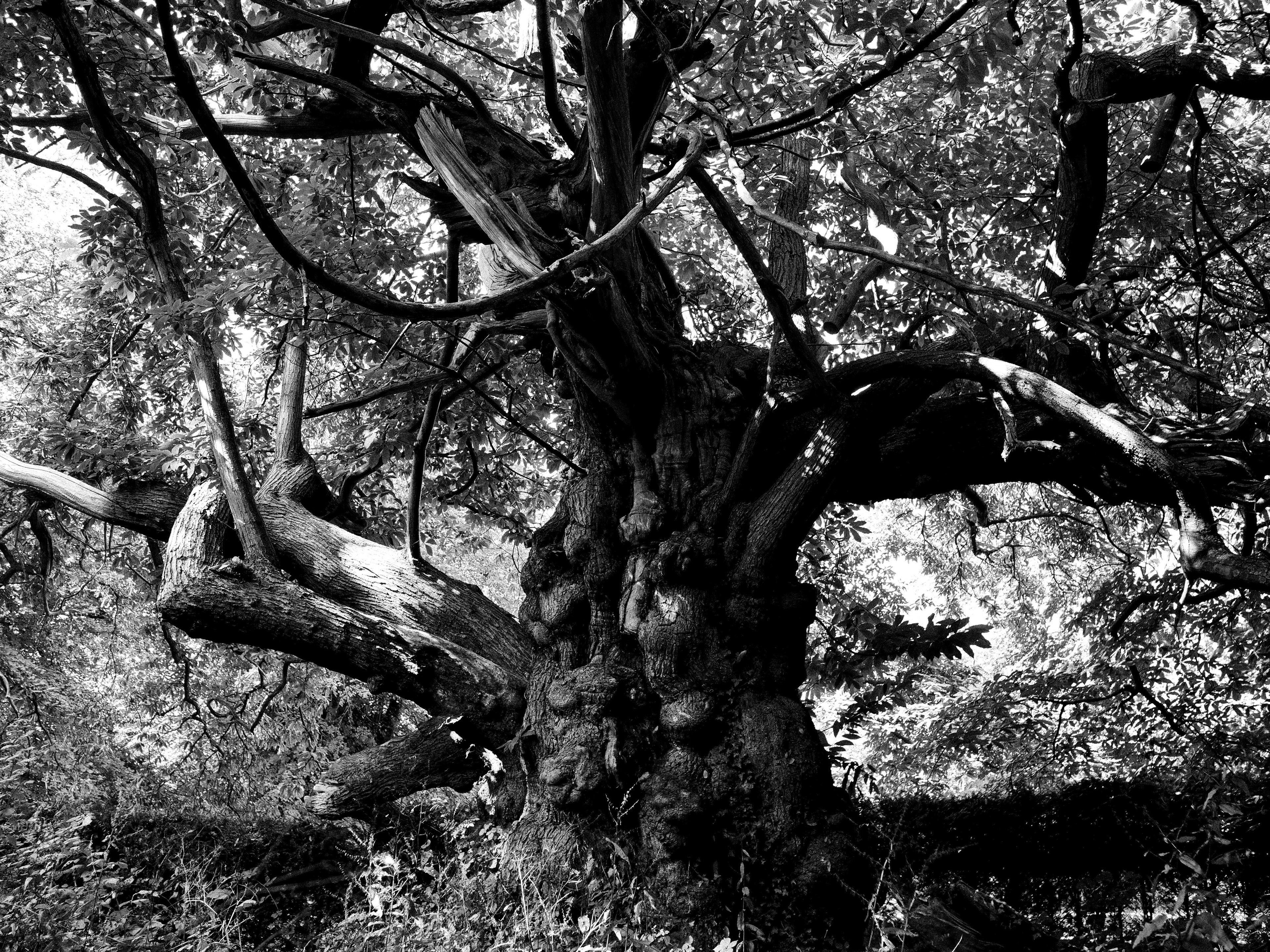
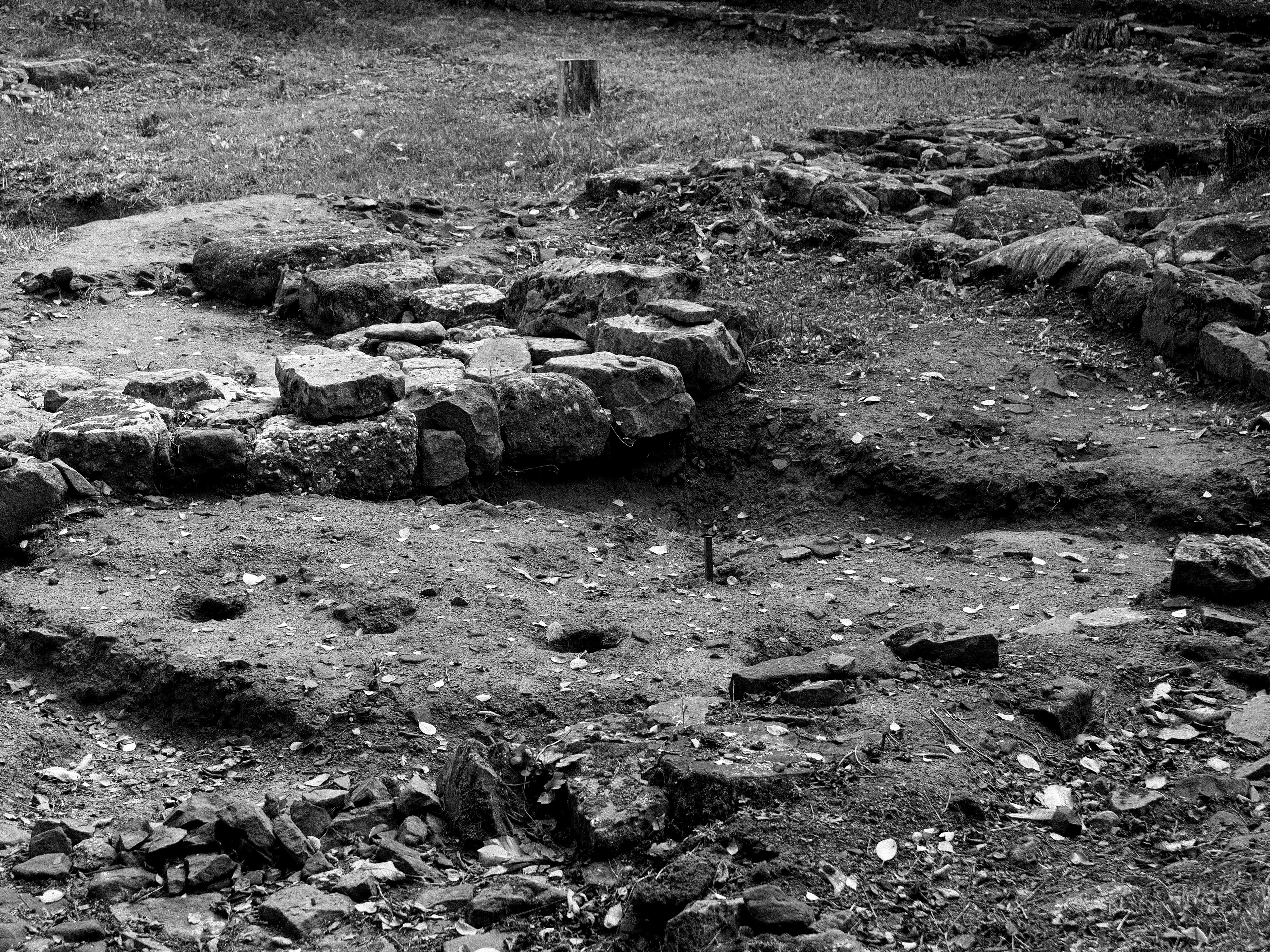
St Anthonys Well
- Cinderford
The River Wye Afon Gwy
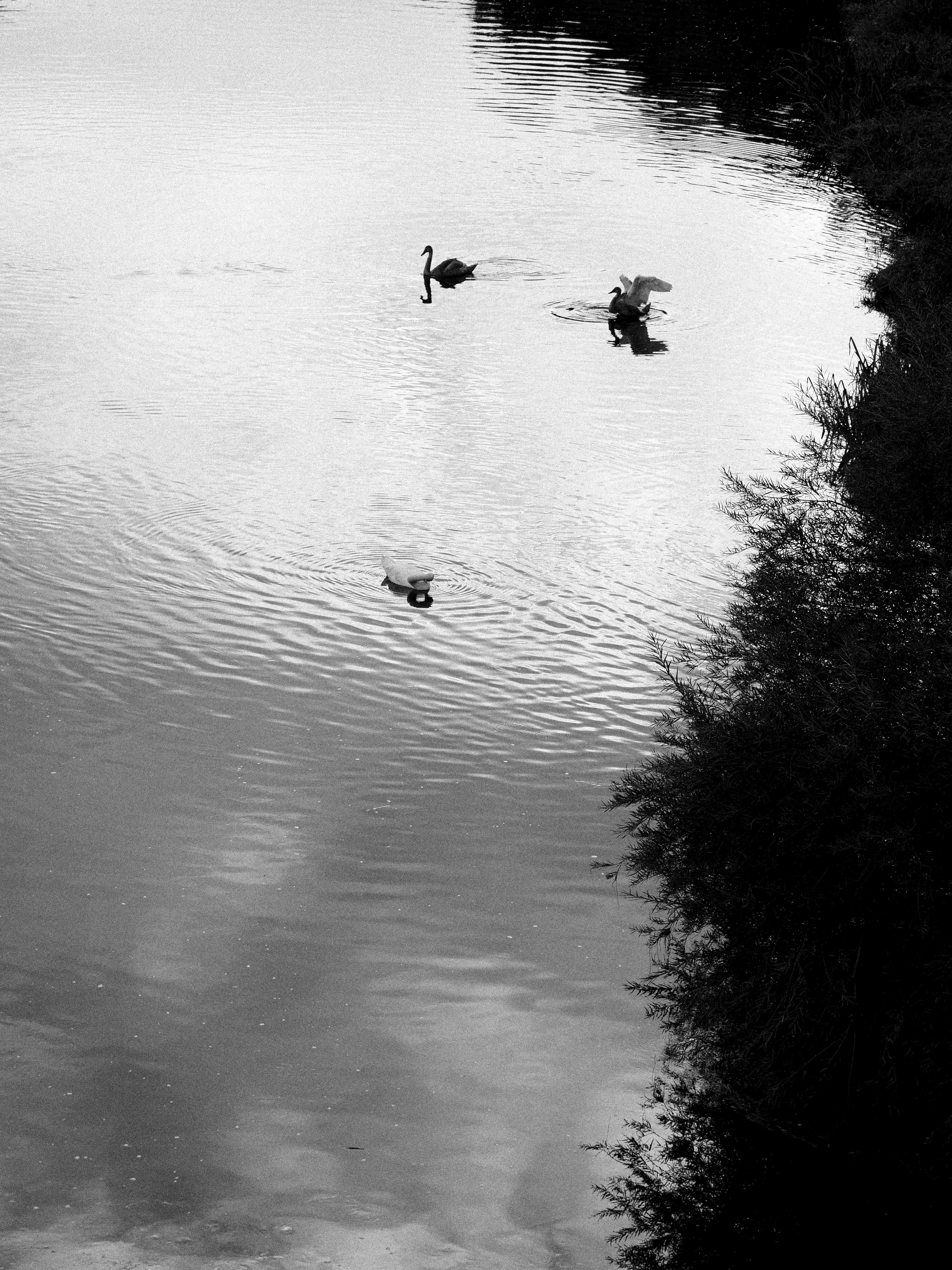
Swan Pool
- Redbrook, Newent